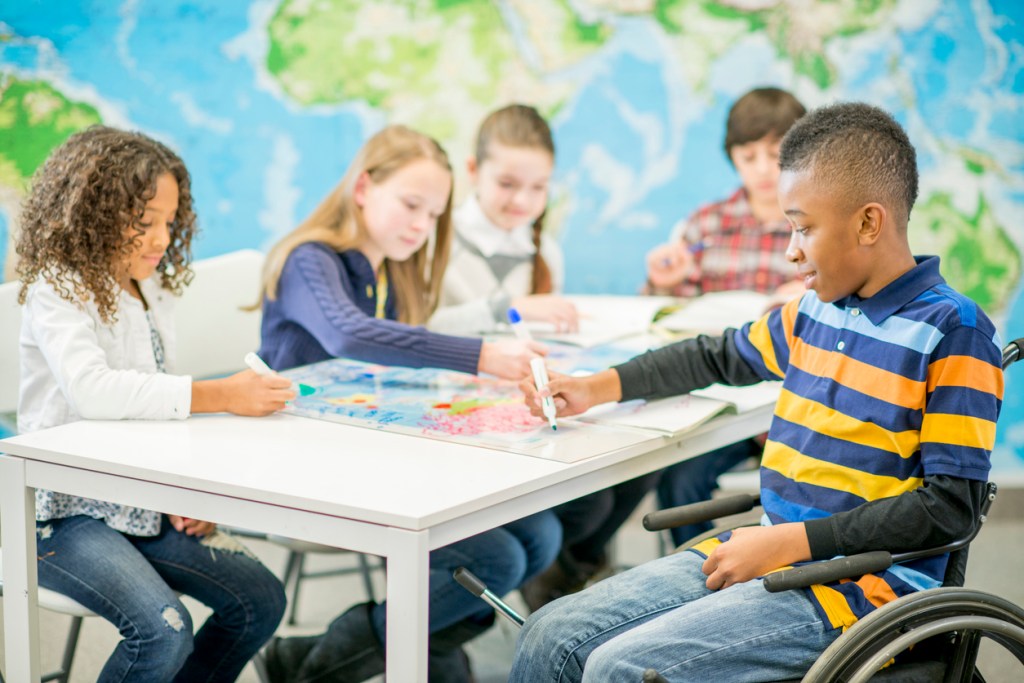
Education for Children with Disabilities or Special Needs
Introduction:
Every child deserves access to quality education, regardless of their abilities or disabilities. For children with disabilities or special needs, it is crucial to provide an inclusive and supportive learning environment that caters to their unique requirements. In this article, we will explore the importance of education for these children and delve into alternative schooling options that can empower them to reach their full potential.
Understanding Disabilities and Special Needs:
Before delving deeper into educational approaches, it is essential to have a clear understanding of disabilities and special needs. These can range from physical impairments such as hearing or visual loss to cognitive challenges like autism spectrum disorders (ASD) or attention deficit hyperactivity disorder (ADHD). Each disability presents its own set of obstacles that must be addressed in an educational setting.
Inclusive Education:
One approach gaining recognition worldwide is inclusive education. This model promotes integrating students with disabilities into mainstream classrooms alongside typically developing peers. By doing so, children with disabilities are exposed to diverse social interactions, fostering empathy among their classmates while also receiving specialized support when needed.
Individualized Education Programs (IEPs):
Individualized Education Programs (IEPs) play a vital role in ensuring personalized instruction for students with disabilities or special needs. IEPs are tailored plans that outline specific goals, accommodations, modifications, and services required by each student. They involve collaboration between parents/guardians, educators, therapists, and other professionals involved in the child’s development.
Special Education Schools:
While inclusive education works well for many students with disabilities or special needs, some may benefit from attending specialized schools designed specifically for catering to their requirements. Special education schools employ trained professionals who have expertise in working with children having various disabilities. These institutions offer tailored curriculum and resources aimed at optimizing each student’s learning experience.
Montessori Approach:
The Montessori method has gained popularity as an alternative form of schooling not only for typically developing children but also for those with disabilities or special needs. Developed by Maria Montessori, this approach emphasizes hands-on learning experiences and individualized instruction. It provides students the freedom to work at their own pace and promotes self-directed learning, which can be particularly beneficial for certain disabilities.
Art Therapy:
Art therapy is a creative approach that combines psychological counseling with artistic expression. It has been increasingly utilized in educational settings to support children with disabilities or special needs. Through various forms of art, such as painting or sculpting, students can communicate their feelings, enhance motor skills, improve concentration, and boost self-esteem.
Assistive Technology:
Advancements in technology have opened up new possibilities for enhancing education for children with disabilities or special needs. Assistive technology includes devices like speech-to-text software, screen readers, adaptive keyboards, and communication apps that aid students in accessing information and participating in classroom activities more effectively.
Physical Education Adaptations:
Physical education is an integral part of a holistic education experience; hence it should be inclusive for all students. For children with physical impairments or mobility limitations, adaptations must be made to ensure they can actively participate in physical activities while still receiving the necessary support from trained professionals.
Community Engagement Programs:
Education extends beyond traditional classrooms. Community engagement programs provide opportunities for children with disabilities or special needs to interact with peers outside of school hours through recreational activities like sports clubs, music groups, drama clubs, and scouting organizations. These initiatives foster socialization skills while promoting inclusion within the broader community.
Parental Involvement:
Parents play a crucial role as advocates for their child’s educational rights and supporters of their overall development. They are encouraged to actively engage in parent-teacher meetings, IEP discussions, and collaborate closely with educators to create an optimal learning environment both at school and home.
Continuous Professional Development (CPD):
To ensure quality education for children with disabilities or special needs across various schooling models mentioned above requires continuous professional development for educators. CPD programs equip teachers with the necessary skills and knowledge to adapt their instructional strategies, implement effective interventions, and provide an inclusive learning environment.
Conclusion:
Education for children with disabilities or special needs should be a priority in our society. Inclusive education, individualized education programs (IEPs), alternative schooling approaches like Montessori, art therapy, assistive technology, adaptations in physical education, community engagement programs, parental involvement, and continuous professional development all contribute to creating an inclusive educational system that supports the unique needs of these children. By embracing these approaches and providing equal opportunities to all children, we can foster a more inclusive and equitable society for everyone.
 Alternative Amie
Leave a comment