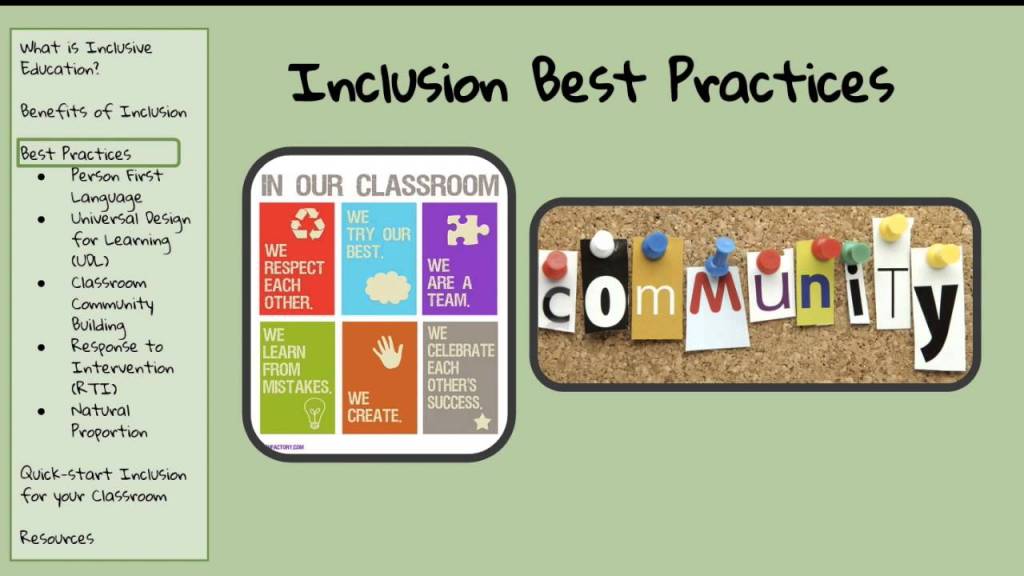
Inclusive Education Practices: Embracing Diversity in Alternative Schooling
Education is a fundamental right that should be accessible to all individuals, regardless of their abilities or backgrounds. Inclusive education practices aim to create learning environments that value diversity and promote equal opportunities for every student. This approach not only benefits students with disabilities but also fosters an inclusive mindset among all learners.
In alternative schooling settings, inclusive education practices play a crucial role in creating an environment where every child feels valued and supported. One key aspect of this approach is the use of differentiated instruction techniques. Teachers tailor their teaching methods and materials to accommodate different learning styles, abilities, and preferences.
Collaborative learning activities are another effective strategy used in inclusive classrooms. By engaging students in group projects or discussions, they learn how to work together, appreciate diverse perspectives, and develop empathy towards others’ experiences. This practice builds essential life skills such as cooperation and teamwork while fostering respect for individual differences.
Furthermore, alternative schools often prioritize social-emotional development alongside academic achievement. They provide support systems that address the unique challenges faced by students with disabilities or special needs. These may include counseling services, peer mentoring programs, or specialized interventions designed to enhance emotional well-being.
Inclusive education practices also involve promoting a culture of acceptance within school communities. Anti-bullying campaigns and awareness programs help raise consciousness about the importance of respecting differences among peers. Additionally, celebrating cultural events from various backgrounds allows students to learn about one another’s traditions and values.
Overall, inclusive education practices enrich alternative schooling environments by embracing diversity as a strength rather than a barrier. By catering to individual needs through differentiated instruction techniques and collaborative learning activities, these schools foster holistic development among students while nurturing empathy and understanding.
 Alternative Amie
Leave a comment