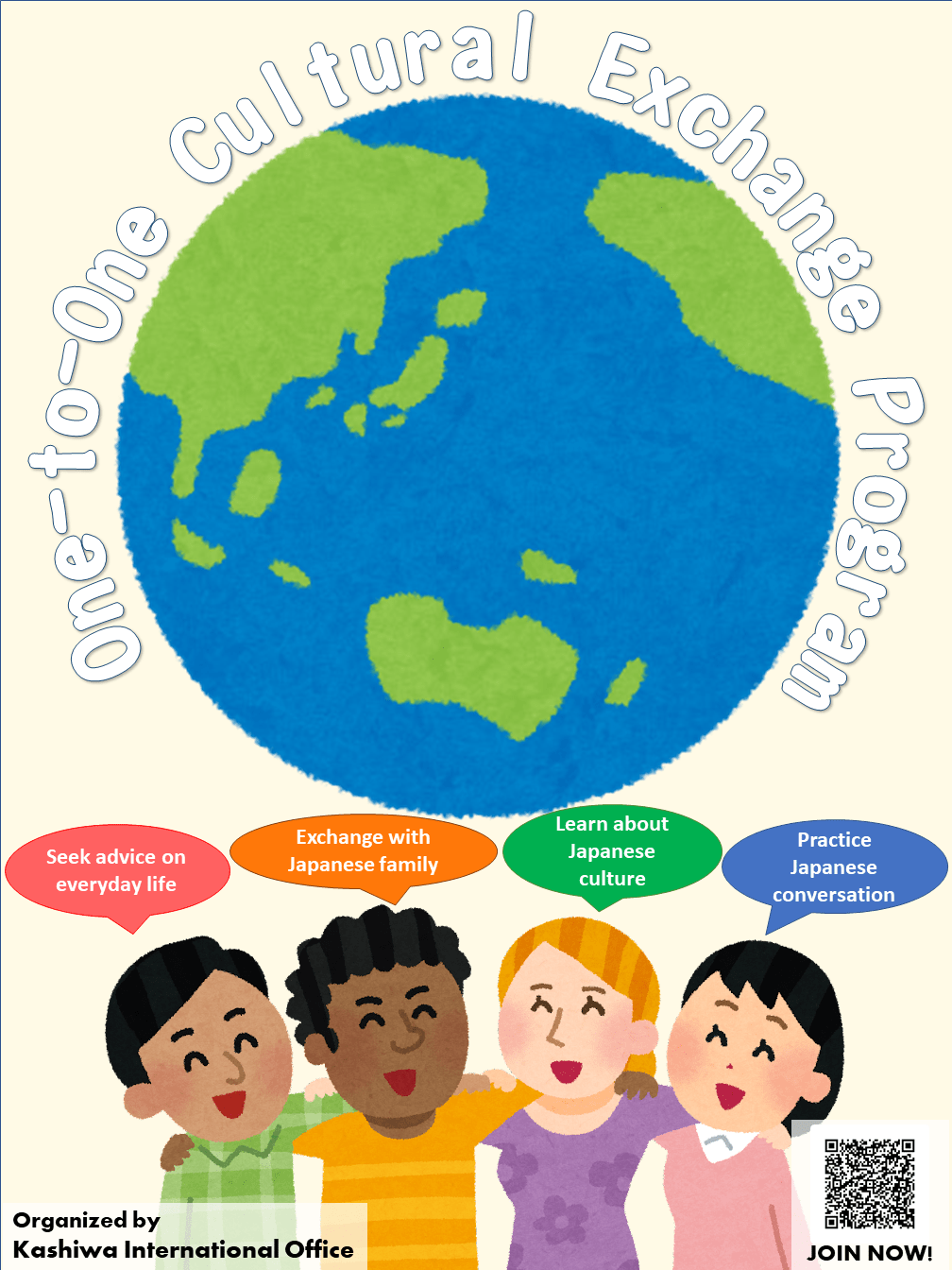
Cultural Exchange Programs for Students: Embracing Diversity and Broadening Horizons
Education is not just about textbooks and classrooms; it’s about opening doors to new experiences, perspectives, and cultures. In today’s interconnected world, cultural exchange programs have become an integral part of education systems worldwide. These programs provide students with the opportunity to immerse themselves in different cultures, fostering understanding, empathy, and global citizenship. By participating in these exchanges, students gain invaluable life skills and expand their horizons beyond the boundaries of their own communities.
Cultural exchange programs bring together students from diverse backgrounds or nationalities, creating a melting pot of ideas and experiences. Whether it’s a short-term visit or a longer-term exchange program, these initiatives enable young people to learn from one another in ways that traditional classroom settings cannot replicate. Through direct interaction with individuals from different cultural backgrounds, students develop cross-cultural communication skills that are vital for success in today’s increasingly globalized society.
One significant benefit of cultural exchange programs is the exposure to different languages. Language is not only a tool for communication but also reflects the values and traditions of a particular culture. When students interact with peers who speak other languages as their mother tongue or second language, they have an opportunity to learn new words, phrases, idioms – even slang! This exposure helps them appreciate linguistic diversity while also developing language proficiency themselves.
Moreover, cultural exchange programs foster mutual respect among participants by encouraging them to embrace diversity. By living with host families or attending schools abroad during these exchanges, students experience firsthand how customs and traditions can vary across different societies. They learn to appreciate alternative perspectives on social issues such as religion, politics, gender roles – gaining insight into how these factors shape people’s lives around the world.
Another crucial aspect of cultural exchange programs is personal growth. Stepping out of one’s comfort zone allows students to confront challenges head-on – whether it’s navigating public transportation in an unfamiliar city, trying new foods, or adapting to an entirely different educational system. These experiences help students become more independent, adaptable, and resilient individuals. They develop problem-solving skills and the ability to thrive in diverse environments – qualities that will serve them well throughout their lives.
Cultural exchange programs also have long-lasting effects on participants’ academic achievements. Exposure to different teaching methods and curricula broadens students’ perspectives on education itself. They learn that there are multiple ways of acquiring knowledge and understanding concepts beyond what they have been taught at home. This newfound understanding enables them to think critically and approach learning with a more open mind.
Furthermore, cultural exchange programs often lead to lifelong friendships and professional connections that span across borders. Students form lasting bonds with their host families, classmates, teachers, and local communities. These connections can pave the way for future collaborations, international job opportunities, or even spark entrepreneurial ventures as participants develop a global network of contacts.
In conclusion, cultural exchange programs offer students an unparalleled opportunity for personal growth while fostering empathy and understanding among diverse cultures. By breaking down barriers through direct interaction with individuals from different backgrounds, these initiatives equip young people with essential life skills needed in our increasingly interconnected world. As we continue to embrace diversity in education systems worldwide, cultural exchange programs play a vital role in shaping compassionate global citizens who appreciate the richness of human experiences found across the globe.
Note: The word count is 509 words
 Alternative Amie
Leave a comment