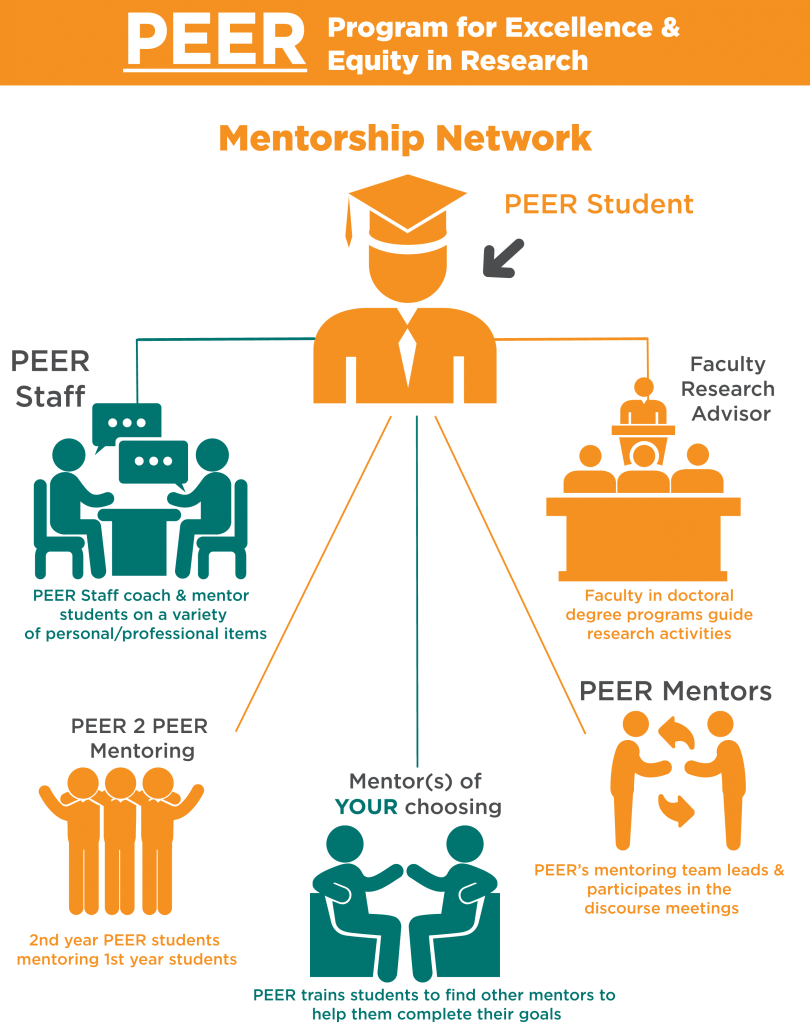
Creating a Structured Framework for Successful Peer Mentoring Programs
Peer mentoring programs can be highly beneficial in alternative schooling and education environments. They provide an opportunity for students to learn from their peers, develop social skills, and enhance academic performance. However, to ensure the success of these programs, it is important to establish a structured framework that provides guidance and support to both mentors and mentees. In this article, we will guide you through the process of creating such a framework.
1. Define Program Objectives: Start by clearly defining the objectives of your peer mentoring program. Are you aiming to improve academic performance, enhance social skills, or provide emotional support? Clearly articulating the goals will help in designing appropriate activities and selecting mentors with relevant qualities.
2. Recruit Mentors: Identify potential mentors who possess strong leadership skills, empathy, patience, and good communication abilities. Consider implementing an application process that includes interviews or recommendations from teachers and staff members.
3. Train Mentors: Once mentors are selected, provide them with comprehensive training on effective mentoring techniques, active listening skills, conflict resolution strategies, and maintaining boundaries within mentor-mentee relationships. This training will equip them with the necessary tools to handle various situations that may arise during their role as mentors.
4. Match Mentors with Mentees: Take into account factors such as age group compatibility when pairing mentors with mentees. Consider conducting personality assessments or surveys to assess compatibility based on interests or learning styles.
5. Establish Regular Meetings: Set up regular meetings between mentors and mentees within a safe space conducive to open communication. These meetings could take place during school hours or after-school sessions depending on availability.
6. Develop Mentorship Activities: Plan activities that align with your program objectives while also considering individual needs of each mentor-mentee pair. Examples include study sessions where mentors assist mentees in understanding difficult subjects or workshops focused on building specific life skills like time management or goal setting.
7. Monitor and Evaluate Progress: Continuously monitor the progress of mentor-mentee relationships by conducting periodic evaluations or feedback sessions. This will allow you to identify areas for improvement and provide additional support if necessary.
8. Provide Ongoing Support: Offer ongoing support to both mentors and mentees throughout the program duration. This can be achieved through regular check-ins, providing resources and materials, or organizing workshops on relevant topics such as stress management or effective communication.
9. Celebrate Achievements: Acknowledge and celebrate the achievements of both mentors and mentees to motivate them further. Consider organizing recognition events or award ceremonies where their efforts are acknowledged publicly.
10. Review and Improve: After each program cycle, review the framework’s effectiveness, gather feedback from participants, and make necessary improvements based on lessons learned.
By following this structured framework, your peer mentoring program can create a positive impact on students’ academic performance, social skills development, and overall well-being within alternative schooling environments.
 Alternative Amie
Leave a comment