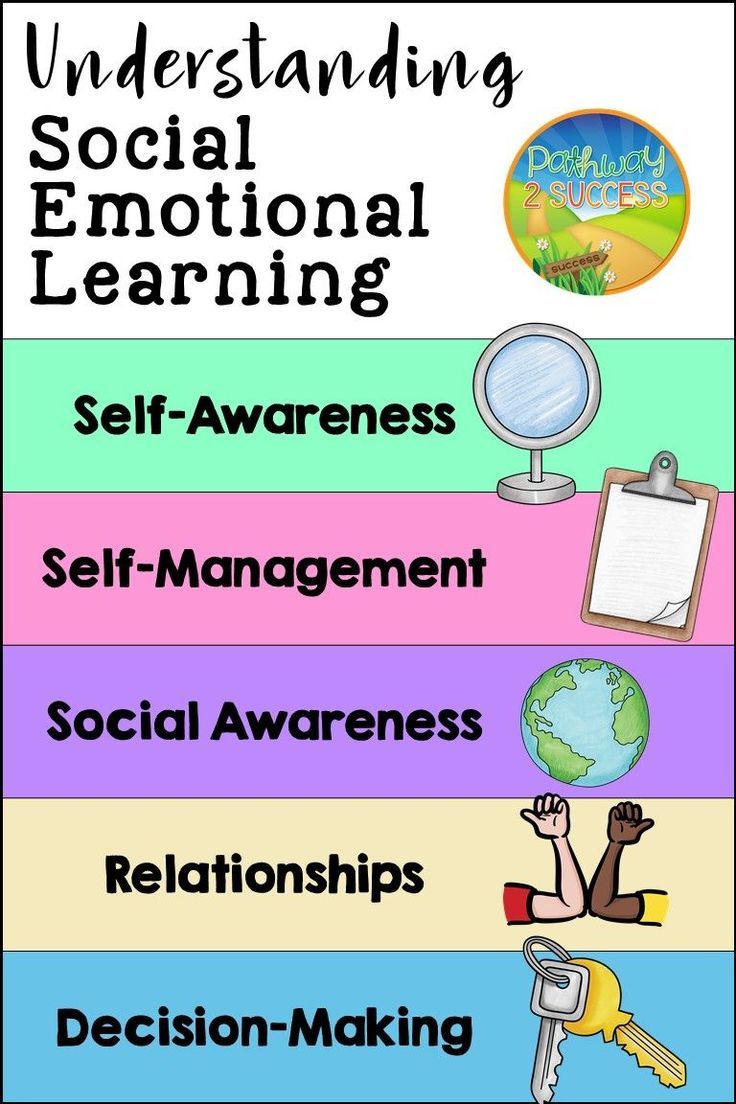
Social-emotional learning (SEL) is a crucial aspect of education that focuses on developing students’ skills and competencies to understand and manage their emotions, build positive relationships, and make responsible decisions. It plays a significant role in alternative schooling and education by promoting holistic development among students.
One key area of SEL is self-awareness. Helping students understand their strengths, weaknesses, emotions, and values enables them to have a better understanding of themselves as individuals. Teachers can encourage self-reflection through activities such as journaling or mindfulness exercises. By fostering self-awareness, students become more confident in expressing themselves and making informed decisions.
Another important aspect of SEL is social awareness. This involves teaching empathy and compassion towards others. Alternative schools can promote social awareness by encouraging community service projects or engaging in discussions about different cultures and perspectives. By developing an understanding of the world around them, students learn to appreciate diversity while cultivating emotional intelligence.
Furthermore, building healthy relationships is essential for personal growth. Teaching interpersonal skills like active listening, conflict resolution, and effective communication helps foster positive connections between peers and teachers alike. Alternative schools often prioritize smaller class sizes or collaborative learning environments that facilitate relationship-building opportunities.
Responsible decision-making is another critical component of SEL that prepares students for real-world challenges. By providing guidance on problem-solving strategies and ethical decision-making frameworks, educators empower students to think critically about the consequences of their actions before making choices.
Implementing SEL practices requires a supportive environment where emotional well-being takes precedence over academic achievements alone. Creating safe spaces for open dialogue encourages trust between teachers and students while allowing individuals to express themselves freely without fear of judgment.
Alternative schooling approaches also emphasize personalized learning experiences tailored to individual needs rather than following rigid curricula. This flexibility allows educators to address specific social-emotional needs within the classroom setting effectively.
In conclusion, integrating social-emotional learning into alternative schooling programs promotes holistic development by nurturing self-awareness, social awareness, relationship-building skills, and responsible decision-making. By prioritizing emotional well-being alongside academic growth, alternative schools create an environment that supports students’ overall development and equips them with essential life skills for success beyond the classroom.
 Alternative Amie
Leave a comment