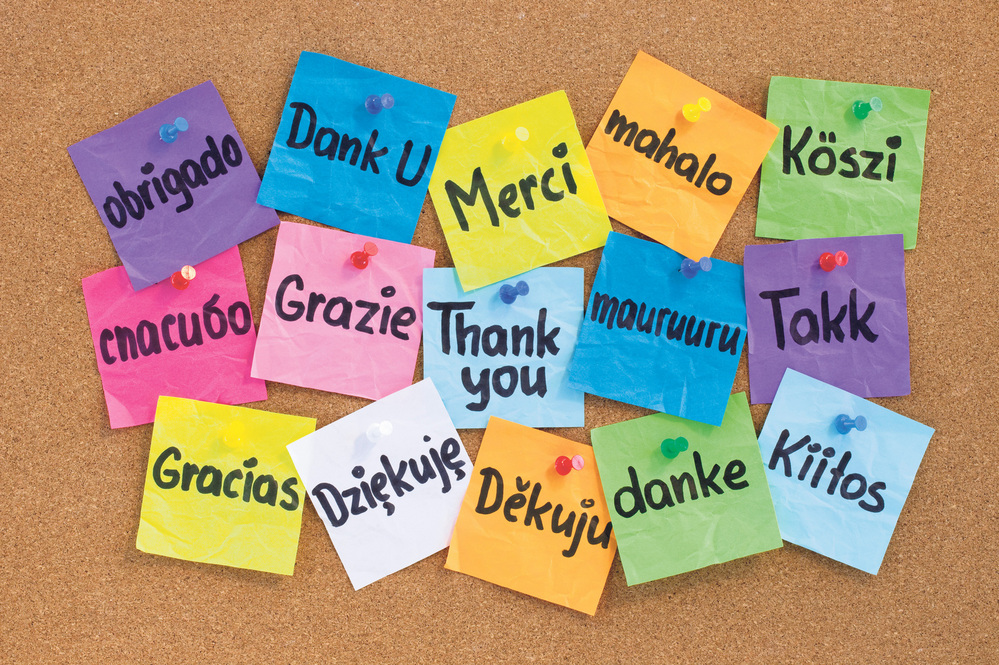
Bilingual Education for Young Learners: Unlocking the Power of Language
In an increasingly interconnected world, being bilingual has become a valuable skill. Bilingual education is an effective approach to help young learners develop proficiency in two languages simultaneously. This form of education not only enhances language skills but also provides numerous cognitive and socio-cultural benefits.
The concept behind bilingual education is simple: children receive instruction in both their native language and a second language. Research has shown that early exposure to multiple languages can have long-lasting positive effects on children’s development. It helps them build strong foundations in both languages, leading to improved overall communication skills.
One of the key advantages of bilingual education is its impact on cognitive abilities. Studies have demonstrated that bilingual individuals tend to have better problem-solving skills, enhanced memory retention, and increased mental flexibility. The constant switching between two languages stimulates the brain and strengthens neural connections, resulting in improved executive functions.
Furthermore, learning another language at a young age promotes cultural awareness and sensitivity. By understanding different cultures through their respective languages, children develop empathy towards people from diverse backgrounds. Bilingual education fosters acceptance and appreciation for various customs, traditions, and perspectives.
Moreover, being fluent in more than one language opens doors to a wider range of opportunities later in life. In today’s globalized job market, employers value candidates who possess strong linguistic skills along with intercultural competence. Bilingual individuals often have an edge when it comes to career prospects as they can communicate effectively with international clients or colleagues.
Implementing bilingual education programs requires trained educators who are proficient in both languages involved. These teachers play a crucial role in creating an immersive learning environment where students are encouraged to actively engage with both languages through conversation, reading materials, games, and other interactive activities.
It’s important to note that successful implementation of bilingual education depends on consistent support from parents or guardians outside school hours as well. Families can reinforce language learning by exposing children to books, music, movies, and cultural events in both languages.
While there are various models of bilingual education, each with its own advantages and considerations, it is crucial to choose an approach that aligns with the specific needs and goals of the learners. Some programs may focus on maintaining a balance between the two languages, while others may emphasize one language over the other depending on factors such as community demographics or personal preferences.
In conclusion, bilingual education for young learners offers numerous benefits beyond language acquisition. It enhances cognitive abilities, promotes cultural understanding, and expands future opportunities. By equipping children with proficiency in multiple languages from an early age, we empower them to thrive in our globalized world while preserving their linguistic heritage.
 Alternative Amie
Leave a comment