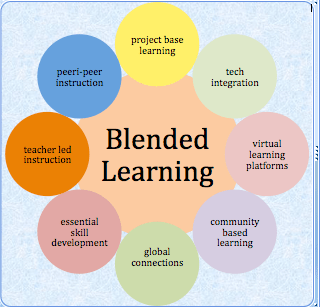
Blended Learning: A Comprehensive Guide
Introduction:
As the education landscape continues to evolve, innovative approaches are being adopted to enhance student learning and engagement. One such approach is blended learning, which combines traditional face-to-face instruction with online educational tools and resources. In this comprehensive guide, we will explore what blended learning is, its benefits and challenges, implementation strategies, and its future implications.
Section 1: Understanding Blended Learning
1. What is Blended Learning?
Blended learning refers to a hybrid instructional model that integrates both in-person teaching and online components. It offers a flexible approach that allows students to engage with educational content through digital platforms while still benefiting from direct interaction with teachers and peers.
2. How does Blended Learning work?
In a typical blended learning environment, students participate in classroom activities for a portion of their learning time while also completing online assignments or accessing virtual resources outside of class. The balance between face-to-face instruction and online activities may vary depending on the specific program or school’s design.
3. What are the different models of Blended Learning?
There are various models of blended learning that schools can adopt based on their unique needs:
a) Rotation Model: Students rotate between different stations within the classroom, including teacher-led instruction, independent workstations, or computer-based activities.
b) Flex Model: Students complete most of their coursework online at their own pace while receiving support from teachers during designated periods.
c) A la Carte Model: Students take one or more courses entirely online while attending traditional brick-and-mortar schools for other subjects.
d) Enriched Virtual Model: Students primarily learn through an online platform but attend physical classes occasionally for specific topics or projects.
e) Station Rotation Model: Similar to the rotation model but involves multiple classrooms where students rotate among them.
Section 2: Benefits of Blended Learning
1. Personalized Learning Experience:
Blended learning provides individualized instruction by allowing students to progress at their own pace. Online platforms often offer adaptive learning tools that adjust content based on student performance, ensuring targeted support and challenging opportunities.
2. Increased Student Engagement:
The integration of technology in blended learning appeals to students’ digital native tendencies, making lessons more interactive and stimulating. The online components provide a variety of multimedia resources, gamification elements, and collaborative tools that enhance engagement.
3. Flexibility and Accessibility:
Blended learning offers flexibility for both students and teachers. Students can access coursework anytime, anywhere, using various devices with internet connectivity. This accessibility is particularly beneficial for students facing geographical or physical limitations.
4. Enhanced Collaboration Skills:
Through online discussions, group projects, and virtual collaborations, blended learning fosters the development of critical teamwork and communication skills necessary for success in the modern workforce.
Section 3: Challenges of Blended Learning
1. Infrastructure Requirements:
Blended learning heavily relies on reliable internet connectivity and technological infrastructure within schools or communities. Ensuring equal access for all students can be a challenge in areas with limited resources or inadequate infrastructure.
2. Teacher Training Needs:
Implementing blended learning effectively requires training educators to navigate digital platforms effectively while adapting instructional strategies to fit this hybrid model.
3. Maintaining Motivation:
Asynchronous online activities may require self-discipline from students who must manage their time effectively without direct supervision from teachers or peers.
4. Equity Concerns:
Blended learning may inadvertently widen existing achievement gaps if not implemented thoughtfully; some students might face barriers due to limited access to technology or lack of parental guidance/support at home.
Section 4: Implementing Blended Learning
1. Planning Phase:
Schools considering implementing blended learning should start with a clear vision that aligns with their educational goals and objectives. Conducting needs assessments will help identify appropriate models, technologies, curriculum materials, professional development needs, etc., required for successful implementation.
2. Technology Integration:
Selecting the right digital tools and platforms is crucial. Schools must ensure that they align with curriculum standards, offer user-friendly interfaces, provide data tracking capabilities, and facilitate communication and collaboration among students and teachers.
3. Professional Development:
Investing in comprehensive professional development programs for teachers is essential to build their capacity to leverage technology effectively, design online learning experiences, differentiate instruction, and address the unique needs of blended learning environments.
4. Monitoring and Evaluation:
Continuous monitoring of student progress through formative assessments helps identify areas for improvement while also providing insights into individual student performance. Regular evaluation of the program’s effectiveness ensures ongoing refinement and enhances student outcomes.
Section 5: The Future of Blended Learning
Blended learning has gained significant momentum in recent years as more educators recognize its potential to enhance educational experiences. With technological advancements such as augmented reality (AR), virtual reality (VR), artificial intelligence (AI), adaptive learning algorithms, and data-driven personalized instruction becoming more accessible, blended learning will continue to evolve.
Conclusion:
Blended learning represents a powerful educational approach that combines the best aspects of traditional classroom teaching with the benefits offered by online resources and technology. By personalizing instruction, increasing engagement, promoting flexibility, developing collaboration skills, blended learning holds immense potential for transforming education in a rapidly changing world. As schools embrace this model thoughtfully while addressing challenges related to infrastructure, teacher training, equity concerns – students stand to benefit from an enhanced educational experience that prepares them for success in the 21st century.
 Alternative Amie
Leave a comment