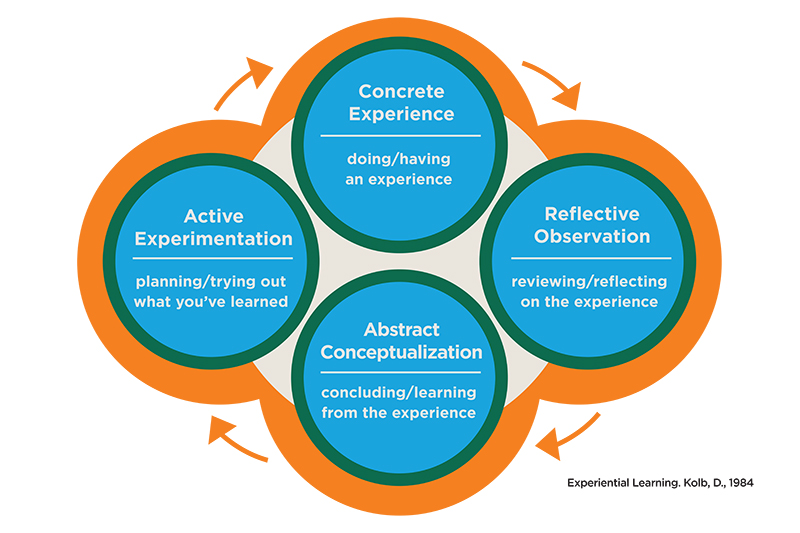
Panel Discussion: Exploring the Benefits of Experiential Education
Introduction:
Welcome to today’s panel discussion on experiential education. With traditional classroom-based learning being challenged by alternative educational approaches, experiential education has gained significant attention in recent years. Today, we have gathered a group of experts from various fields to discuss the benefits and impact of this hands-on learning approach.
Panelists:
1. Dr. Sarah Thompson – Professor of Education at a leading university
2. Mr. David Johnson – Founder of an outdoor adventure school
3. Ms. Rachel Patel – Director of a non-profit organization focused on community engagement
4. Mr. Michael Collins – Principal at an experimental high school
Discussion:
Dr. Thompson: Experiential education encourages active participation and engages students in real-world experiences, enhancing their critical thinking and problem-solving skills.
Mr. Johnson: Absolutely! Outdoor adventures provide opportunities for students to face challenges, develop resilience, and build self-confidence while learning practical skills.
Ms. Patel: I agree with both points made earlier; however, it is essential to note that experiential education extends beyond just outdoor activities or field trips—it can also involve community service projects or internships that expose students to social issues and diverse perspectives.
Mr.Collins: That’s right! Experiential learning allows students to connect theoretical knowledge with real-life situations, making their education more relevant and meaningful.
Dr.Thompson: Additionally, research shows that hands-on experiences improve retention rates as well as student motivation and engagement.
Ms.Patel: Yes! When students learn by doing rather than just listening or reading about concepts in textbooks, they become active participants in their own learning process.
Mr.Johnson: Let’s not forget the positive impact on personal development too—experiential education promotes teamwork, communication skills, leadership abilities—all crucial qualities for success in the future workforce.
Conclusion:
Experiential education offers numerous benefits and has the potential to revolutionize traditional teaching methods. By providing students with opportunities to engage in real-world experiences, this approach enhances critical thinking, problem-solving skills, personal development, and overall motivation for learning. As educators and parents, it is important that we continue exploring and implementing experiential education as a valuable alternative to traditional classroom-based learning.
 Alternative Amie
Leave a comment