The Importance of Practical Life Activities in a Montessori Setting
In a Montessori classroom, practical life activities play a vital role in supporting children’s development and preparing them for future success. These activities are designed to help children build independence, concentration, coordination, and orderliness while also fostering their social skills and sense of responsibility. By engaging in real-life tasks that are meaningful and purposeful, children develop the necessary skills to become active participants in their own learning journey.
What Are Practical Life Activities?
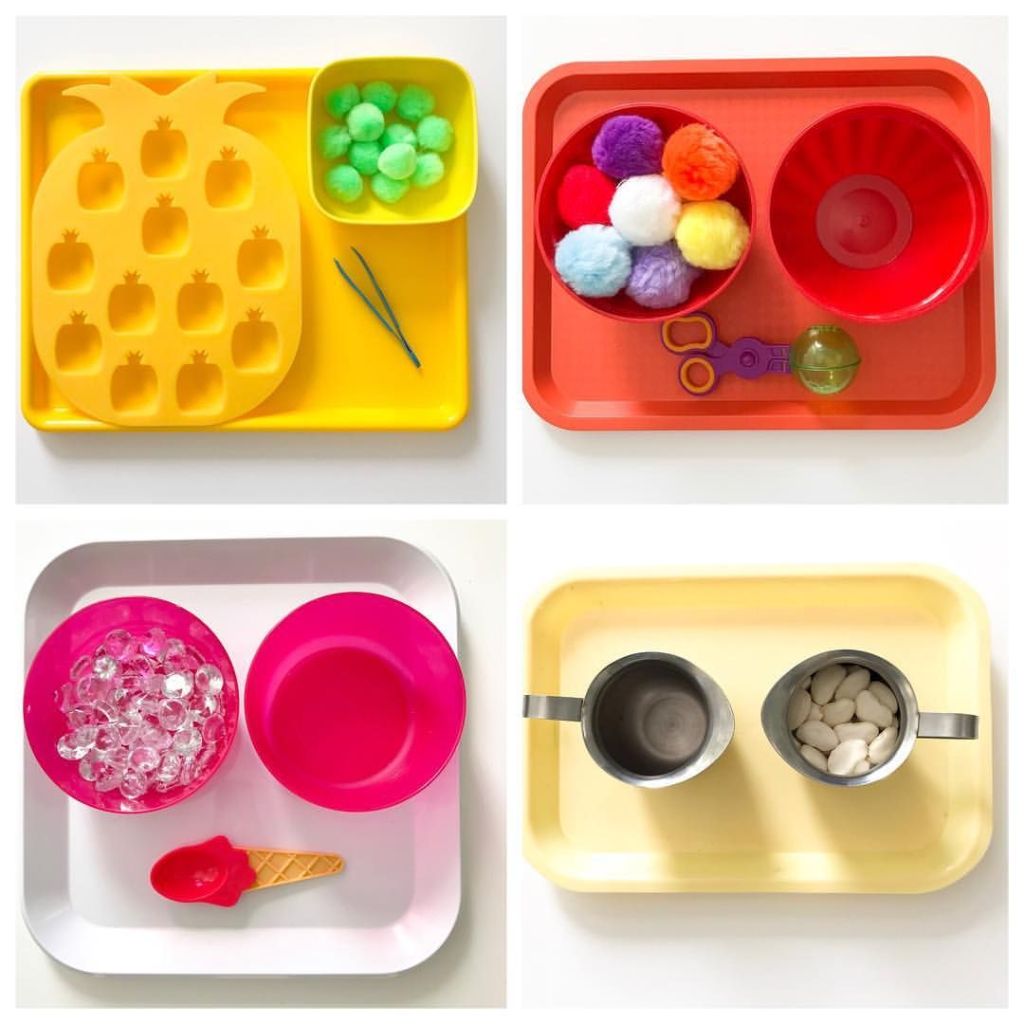
Practical life activities encompass a wide range of tasks that reflect everyday living experiences such as pouring, spooning, buttoning, sweeping, polishing, washing dishes or clothes, setting the table, gardening, and many more. These activities are carefully selected to match the child’s developmental stage and abilities.
Why Are Practical Life Activities Important?
1. Developing Independence: Through practical life activities, children learn how to take care of themselves and their environment independently. They acquire essential life skills like dressing themselves or preparing snacks. This fosters self-confidence as they realize they can be self-reliant.
2. Enhancing Concentration: Engaging in practical tasks requires focus and concentration from the child. As they repetitively perform these activities with precision and accuracy (e.g., pouring water from one container to another), they strengthen their ability to concentrate for longer periods.
3. Refining Fine Motor Skills: Many practical life activities involve using small muscle movements that enhance fine motor skills development. Pouring rice into a funnel or using tongs to transfer objects improve hand-eye coordination and dexterity needed for writing or manipulating objects later on.
4. Promoting Orderliness: Practical life exercises emphasize orderliness through sequencing steps correctly or arranging materials neatly after use. Children learn how everything has its place and develop an appreciation for maintaining tidiness both inside the classroom and beyond.
5. Instilling Responsibility: By participating actively in caring for their environment, children learn the importance of taking responsibility for their actions. They understand that their contributions are valuable and that they are part of a larger community.
6. Developing Social Skills: Practical life activities offer opportunities for children to work together, fostering cooperation and collaboration. They learn how to take turns, share materials, and respect others’ space while engaging in tasks like table setting or cleaning up after group activities.
7. Building Language Skills: During practical life activities, educators provide appropriate vocabulary related to each task (e.g., “sponge,” “pour,” “stir”). Children expand their language skills by listening to instructions, asking questions, and conversing with peers during these hands-on experiences.
8. Encouraging Problem-Solving Abilities: Children encounter challenges during practical life activities such as pouring without spilling or fitting objects into specific containers. These situations encourage problem-solving skills as they explore alternative approaches and find solutions independently.
9. Fostering Emotional Development: Practical life activities offer a sense of purpose and accomplishment for children when they successfully complete a task or contribute positively to the classroom community. This fosters self-esteem, self-worth, and emotional well-being.
10. Preparing for Future Academic Success: The skills gained through practical life activities serve as building blocks for future academic pursuits in various subjects such as mathematics (measuring ingredients), science (observing plant growth), or geography (setting up maps). The independence cultivated also prepares them for more complex academic tasks later on.
How Are Practical Life Activities Incorporated Into the Montessori Curriculum?
Practical life activities are an integral part of the Montessori curriculum across all age groups—from toddlers to adolescents—although the specific tasks vary depending on developmental appropriateness. In a Montessori classroom environment, you will typically find designated areas with materials specifically designed for practical life exercises.
For example, in a toddler classroom, you may see low tables with simple pouring activities or dressing frames that allow children to practice buttoning, zipping, and tying shoelaces. In a primary classroom (ages 3-6), you may find more complex tasks like washing dishes, polishing silverware, or arranging flowers.
As children progress into the elementary years (6-12), practical life activities expand beyond the immediate environment. They may engage in cooking meals for their classmates or younger students, taking care of the school garden, or organizing fundraisers. Adolescents continue building on these skills by managing budgets, maintaining school facilities, and engaging in community service projects.
The Role of the Montessori Educator
In a Montessori setting, educators play a crucial role in facilitating practical life activities. They carefully observe each child’s readiness and provide appropriate materials and lessons based on their developmental stage and interests.
Montessori educators act as guides rather than lecturers during these activities. They model proper techniques and encourage independence while allowing children to make mistakes as part of the learning process. With patience and support, they assist children with challenging tasks until they can do them independently.
Furthermore, educators create an environment conducive to practical life experiences by ensuring materials are easily accessible for children to use at any time independently. They also establish daily routines that incorporate opportunities for self-care tasks like tidying up after snack time or caring for plants.
Conclusion
Practical life activities form an integral part of a Montessori education because they provide numerous benefits to a child’s development across multiple domains—physical, cognitive, social-emotional—in an integrated manner. By engaging in meaningful real-life tasks within a prepared environment guided by experienced educators’ support and observation, children gain valuable skills that set them up for success not only academically but throughout their lives.
 Alternative Amie
Leave a comment