Promoting Fairness and Equity in Peer Assessments
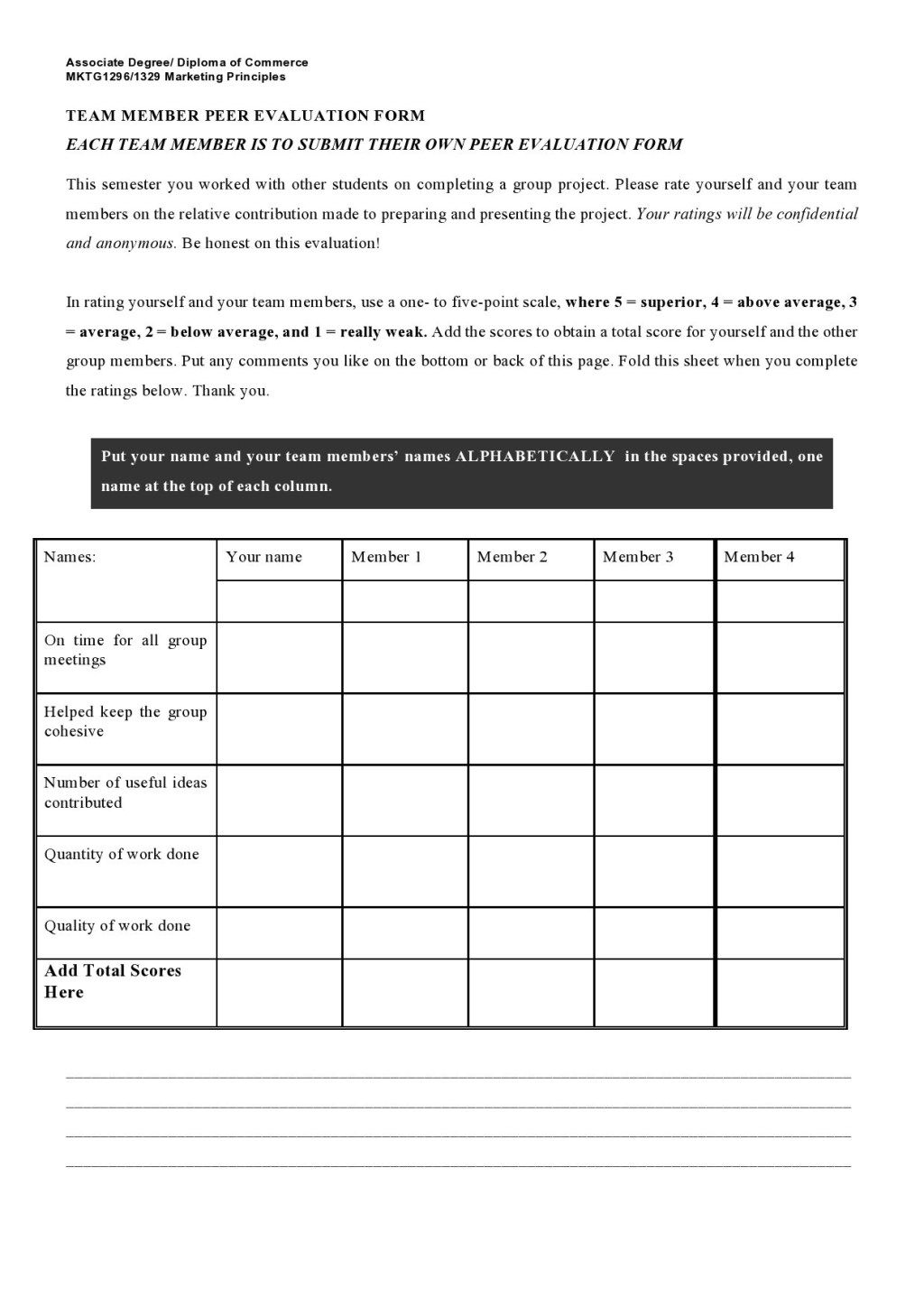
Peer assessments have become an integral part of alternative schooling and education. They provide a unique opportunity for students to learn from one another, develop critical thinking skills, and foster a sense of collaboration. However, ensuring fairness and equity in these assessments can be challenging. In this article, we will explore strategies to promote fairness and equity in peer assessments.
1. Clear Assessment Criteria:
One way to ensure fairness is by providing clear assessment criteria to the students before they begin evaluating their peers’ work. This helps establish a common understanding of what constitutes quality work and ensures that all students are evaluated based on the same standards. Clearly outlining the expectations also encourages students to focus on objective aspects rather than personal biases or preferences.
2. Anonymous Assessments:
To eliminate potential bias or favoritism, consider conducting anonymous peer assessments. By hiding the identities of the assessors and the assessed individuals, you create an environment where judgments are solely based on merit rather than personal relationships or social dynamics within the classroom. There are several online tools available that facilitate anonymous peer assessments, allowing for unbiased evaluations.
3. Training in Constructive Feedback:
Providing students with guidance on how to give constructive feedback is crucial for promoting fairness and equity in peer assessments. Many learners may lack experience or confidence in offering critiques without sounding overly negative or discouraging their peers’ efforts. Offering training sessions or resources that teach effective feedback techniques can help ensure that evaluations are helpful, encouraging growth rather than discouraging it.
4. Rotation of Roles:
Assigning different roles throughout the evaluation process can help distribute power dynamics more equitably among students. Instead of having a fixed group of evaluators throughout an entire project or semester, consider rotating roles so every student has equal opportunities both as an assessor and as someone being assessed. This fosters a sense of collective responsibility for fair evaluations among all participants.
5.Implement Calibration Sessions:
Calibration sessions are collaborative activities where students come together to discuss and align their evaluations. These sessions offer a chance for students to compare their assessments with others, identify discrepancies, and establish a consensus on the standards for evaluation. By engaging in these discussions, students learn from one another’s perspectives and develop a more consistent understanding of fairness.
6. Ongoing Reflection and Revision:
Promoting fairness and equity in peer assessments is an ongoing process that requires continuous reflection and revision. Regularly evaluate the effectiveness of your assessment strategies by seeking feedback from both students and teachers. Encourage open conversations about any concerns or challenges faced during the process. This feedback loop allows for adjustments to be made, ensuring that fairness remains at the forefront of your peer assessment practices.
In conclusion, promoting fairness and equity in peer assessments is crucial for creating an inclusive learning environment within alternative schooling and education settings. By implementing clear assessment criteria, anonymous evaluations, training in constructive feedback, role rotation, calibration sessions, and ongoing reflection, educators can foster equal opportunities for all students to benefit from this valuable learning approach. Ultimately, these strategies will help ensure that peer assessments become empowering experiences that enhance student growth rather than perpetuating biases or inequalities.
 Alternative Amie
Leave a comment