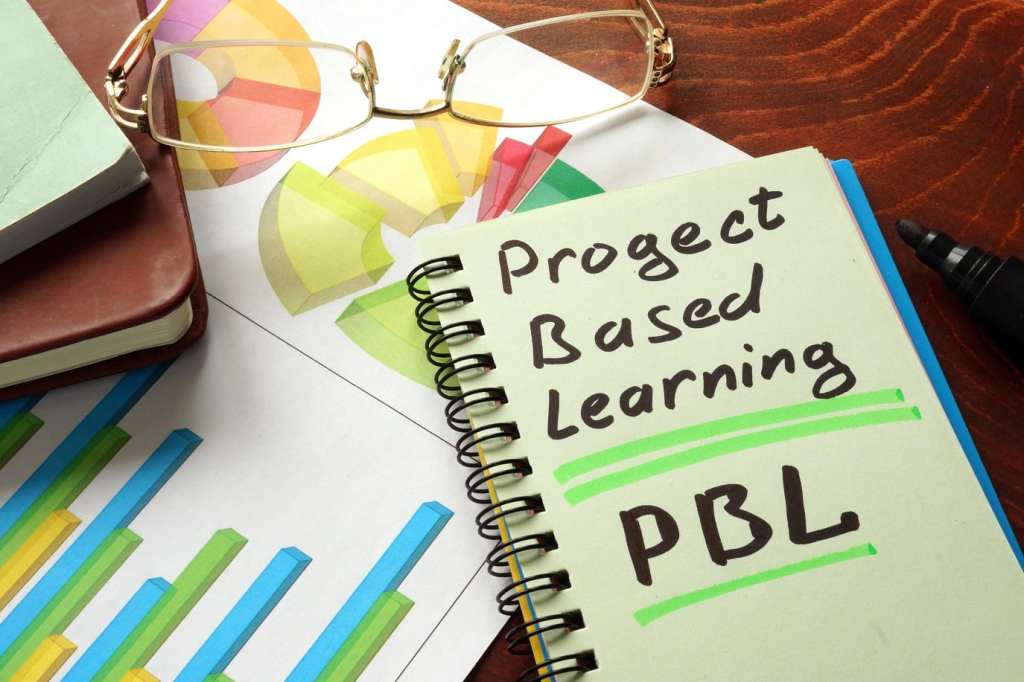
Project-based learning is a highly effective educational approach that engages students in hands-on, real-world activities to develop essential skills and knowledge. Unlike traditional classroom instruction, project-based learning focuses on inquiry, problem-solving, collaboration, and critical thinking.
One of the key benefits of project-based learning is its ability to foster student motivation and engagement. By allowing students to choose their topics and design their projects, they become active participants in their own education. This autonomy promotes a sense of ownership and responsibility for their learning.
Furthermore, project-based learning encourages interdisciplinary connections by integrating multiple subjects into one cohesive project. Students can explore complex issues from different perspectives while developing a deep understanding of the topic at hand. This approach also helps students see the relevance of what they are learning as they apply it in real-life contexts.
Another advantage of project-based learning is its emphasis on collaboration and teamwork. Students often work together in groups or pairs to complete projects, simulating real-world scenarios where cooperation is crucial. Through these collaborations, students learn valuable communication skills such as listening actively and sharing ideas effectively.
Additionally, project-based learning fosters critical thinking skills by challenging students to analyze information critically, solve problems creatively, and make informed decisions based on evidence. These skills are essential for success not only in academics but also in future careers.
Moreover, project-based learning aligns with twenty-first-century skills such as adaptability, resilience, and technological literacy. As technology continues to advance rapidly, it becomes increasingly important for students to develop digital literacy skills through utilizing various tools during their projects.
In conclusion, project-based learning offers numerous benefits for alternative schooling and education approaches due to its focus on student engagement, interdisciplinary connections,
collaboration/teamwork opportunities,
critical thinking development,
and alignment with twenty-first-century skills.
By implementing this method into alternative schools’ curricula,
students can acquire practical knowledge
while cultivating essential skills needed for success both inside and outside the classroom.
Overall, project-based learning provides a rich and dynamic educational experience that prepares students for the challenges of the future.

 Alternative Amie
Leave a comment