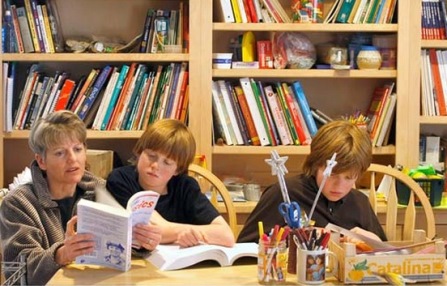
Homeschooling in Remote Areas: A Guide to Alternative Education
Introduction:
In recent years, homeschooling has become an increasingly popular option for families seeking alternative education. This approach allows parents to have more control over their children’s learning experiences and tailor the curriculum to suit their individual needs. While homeschooling can be a viable choice for families living in urban areas with access to resources and support networks, it may present unique challenges for those residing in remote or rural locations. In this article, we will explore practical tips and strategies for homeschooling in remote areas, ensuring that children receive a quality education regardless of geographic limitations.
1. Embrace the Unique Environment:
Living in a remote area offers numerous advantages when it comes to homeschooling. Encourage your children to explore nature as an extension of their classroom. Take advantage of the abundance of wildlife, natural landmarks, and local history by incorporating them into lessons. Engage with the community by organizing field trips or inviting guest speakers from nearby farms or businesses.
2. Plan Ahead:
Creating a comprehensive plan is essential when homeschooling in a remote area where resources might be limited. Begin by setting clear educational goals based on your child’s age and grade level requirements. Research curriculum options that best align with these objectives and ensure you have all necessary materials readily available.
3. Utilize Online Resources:
Although you may not have physical access to libraries or specialized tutors found in urban areas, modern technology makes virtual resources easily accessible even from remote locations. Take advantage of online libraries, digital textbooks, educational websites, and interactive learning platforms such as Khan Academy or TED-Ed which offer free instructional videos across various subjects.
4. Connect with Other Homeschoolers:
Social interaction is critical for every child’s development regardless of where they live. Isolation can pose challenges for both parents and students alike while navigating through homeschooling journey alone; thus connecting with other homeschoolers becomes crucial especially while living remotely. Join online homeschooling communities or forums to connect with other like-minded parents and students. Collaborate on projects, share experiences, and exchange resources.
5. Tap into Local Resources:
While living in a remote area may limit access to certain resources, it’s essential to identify local opportunities that can enrich your child’s education. Seek out local libraries, community centers, museums, or art galleries that may offer workshops or educational programs suitable for homeschoolers. Reach out to professionals within your community who can provide expertise in specific subjects through guest lectures or mentorship programs.
6. Establish a Routine:
Maintaining a routine is crucial for successful homeschooling regardless of location. Create a schedule that balances academic activities with time for breaks and physical exercise. Set realistic goals and prioritize tasks based on their importance and deadlines while allowing flexibility to adapt as needed.
7. Engage in Distance Learning Programs:
Even if you live in an extremely remote area without access to traditional schooling options, distance learning programs can bridge the gap between geographical limitations and quality education. Many accredited institutions offer virtual learning opportunities where students interact with teachers remotely using video conferencing technology.
8. Make Use of Nature’s Classroom:
Living in a remote area provides an excellent opportunity for hands-on learning experiences rooted in nature itself. Take advantage of outdoor activities such as hiking, gardening, wildlife observation, or scientific experiments related to natural phenomena found around your home.
9.Cultivate Life Skills:
Homeschooling allows parents not only to focus on academics but also instill important life skills necessary for success beyond the classroom walls—skills such as problem-solving abilities critical thinking skills,self-discipline,responsibility,time management,negotiation,and communication skills- all of which are applicable regardless of geographical location.
Conclusion
Homeschooling presents unique challenges when residing in remote areas; however,it also offers abundant possibilities for creative learning experiences limited only by imagination.Explore the natural surroundings,tap into online resources,connect with other homeschoolers,and utilize local opportunities to create a well-rounded education for your children. By embracing the challenges and seizing the available opportunities, homeschooling in remote areas can be a rewarding and successful educational journey.
 Alternative Amie
Leave a comment