Biomimicry in engineering education is a growing field that draws inspiration from nature to solve complex engineering problems. By studying the structures, processes, and systems found in plants, animals, and ecosystems, students can develop innovative designs that are more sustainable and efficient. This approach encourages creativity, critical thinking, and interdisciplinary collaboration.
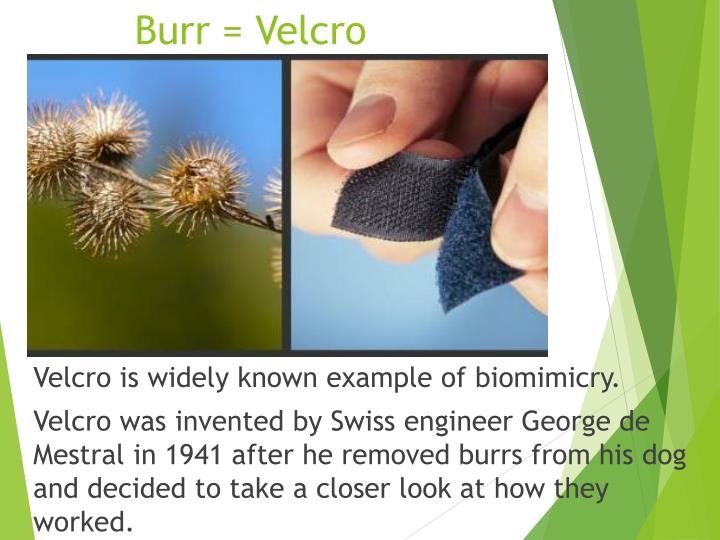
One example of biomimicry in action is the development of Velcro. Inspired by the tiny hooks on burrs that cling to clothing or fur, Swiss engineer George de Mestral created a fastening system made up of small loops and hooks. This simple yet effective design has revolutionized various industries.
Incorporating biomimicry into engineering education not only introduces students to new problem-solving techniques but also fosters an appreciation for nature and its genius innovations. Students learn to observe patterns in the natural world and apply them creatively to their own designs.
Ethical considerations in artificial intelligence (AI) education have become increasingly important as AI technologies continue to advance rapidly. It is crucial for educators to address ethical concerns surrounding AI algorithms’ potential biases or discriminatory outcomes. Understanding these issues ensures responsible development and use of AI systems.
Integrating arts into mathematics curriculum provides a unique opportunity for students to explore mathematical concepts through creative expression. By incorporating visual arts, music, dance, or theater into math lessons, educators can engage learners’ imagination while reinforcing core mathematical principles such as geometry or patterns.
Sustainable architecture and design education focuses on creating environmentally friendly structures that minimize ecological impact throughout their lifecycle. Teaching students about sustainable materials, energy-efficient systems, and green building practices empowers future architects with the knowledge needed to tackle climate change challenges.
The history of women in science and technology highlights the significant contributions made by women scientists throughout history despite facing gender-based discrimination. Educators can inspire young girls by showcasing pioneering women scientists like Marie Curie or Rosalind Franklin who defied societal expectations at their time and made groundbreaking discoveries. By celebrating these achievements, we can encourage more girls to pursue careers in STEM fields.
Indigenous knowledge systems in environmental science education emphasize the importance of traditional ecological knowledge passed down through generations. This approach recognizes the value of indigenous communities’ close relationship with nature and their sustainable practices. Incorporating indigenous perspectives into environmental science education promotes cultural diversity and a holistic understanding of environmental stewardship.
Gamification in computer programming instruction leverages game elements like competition, rewards, or storytelling to engage students in learning coding concepts. By turning programming lessons into interactive games or challenges, educators can make the subject more accessible and enjoyable for learners of all ages.
Philosophy of science for young learners introduces philosophical questions about scientific inquiry, such as how we know what we know and the nature of scientific theories. By encouraging critical thinking skills from an early age, children develop a deeper appreciation for the scientific process and learn to question assumptions.
Robotics and automation ethics in engineering education explore ethical considerations associated with autonomous systems. Students are encouraged to consider issues like privacy, safety, job displacement, or biases that may arise with increased reliance on robots or AI-driven technologies.
Intersectionality in STEAM fields highlights the interconnected experiences of individuals who belong to multiple marginalized groups within Science, Technology, Engineering, Arts & Mathematics (STEAM) disciplines. Recognizing intersectional identities fosters inclusivity by addressing unique barriers faced by individuals based on their race/ethnicity, gender identity/expression, sexual orientation or socioeconomic status.
Culturally responsive teaching ensures that STEM classrooms reflect diverse cultures and experiences while recognizing students’ individual backgrounds as strengths rather than obstacles. It fosters inclusive learning environments where different perspectives are valued and encourages active student engagement while promoting social justice ideals within STEM education.
Music therapy as a tool for cognitive development explores how music can be used as a therapeutic intervention to support brain function and enhance cognitive abilities like memory retention or problem-solving skills. Incorporating music into educational settings can improve learning outcomes and promote emotional well-being.
Environmental justice and sustainability education address the unequal distribution of environmental burdens, such as pollution or lack of access to clean water or green spaces. By teaching students about the intersection between social justice and environmental issues, educators can foster a sense of responsibility for creating equitable and sustainable communities.
Neurodiversity and inclusive practices in STEAM education recognize that neurological differences, such as autism or ADHD, contribute to diverse ways of thinking and problem-solving. Implementing inclusive strategies ensures that all learners have equal opportunities to excel in STEAM fields by providing accommodations, promoting understanding, and valuing neurodiverse perspectives.
Design thinking for social innovation encourages students to apply human-centered design principles to solve real-world problems. By engaging in empathy-building activities, brainstorming ideas, prototyping solutions, and seeking feedback from users or stakeholders, students learn how design can bring positive change to society.
Augmented reality applications in art education blend digital elements with physical artwork to enhance creative expression and provide immersive learning experiences. Students can explore virtual galleries or create interactive artworks using augmented reality tools while developing their artistic skills.
Biotechnology and bioethics education explores ethical considerations associated with advancements in biotechnology like genetic engineering or cloning. Educators help students navigate complex moral dilemmas surrounding these technologies while fostering critical thinking skills necessary for responsible decision-making.
Science communication through storytelling recognizes the power of narratives in conveying scientific concepts effectively. By integrating storytelling techniques into science education, educators engage students’ imagination while making complex ideas more accessible and relatable.
Urban planning and sustainable cities curriculum equips students with knowledge about designing livable cities that prioritize environmental sustainability, equity, public health, transportation systems optimization, energy efficiency among other factors. This interdisciplinary approach helps shape future urban planners who understand the complexities involved in creating sustainable urban environments.
Digital citizenship and online safety instruction teach young learners how to navigate digital platforms responsibly, respect privacy, and critically evaluate online information. Educators provide guidance on safe internet practices, cyberbullying prevention, and media literacy to ensure students become responsible digital citizens.
In conclusion, these topics represent a diverse range of alternative educational approaches that promote innovative thinking, inclusivity, sustainability, and ethical considerations in various fields. By incorporating these concepts into education systems, we can foster a more holistic approach to learning that prepares students for the complex challenges of the future.
 Alternative Amie
Leave a comment