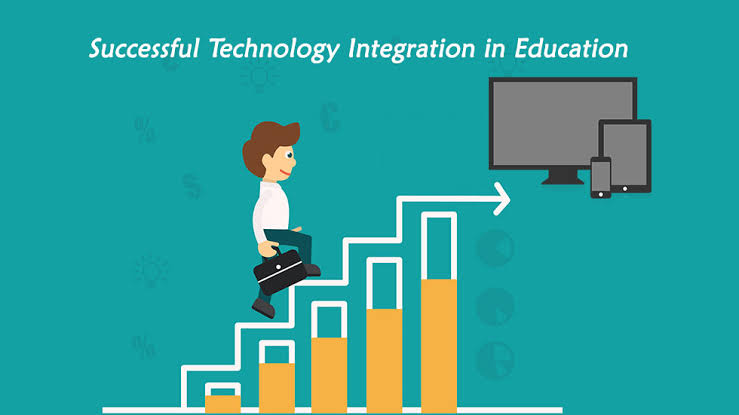
Technology Integration in the Curriculum: Enhancing Alternative Education
Introduction:
In today’s digital age, technology has become an integral part of our daily lives. It has revolutionized various sectors, including education. With the increasing demand for alternative schooling and education, integrating technology into the curriculum has become a crucial aspect of ensuring students receive a well-rounded education that prepares them for the future. This article explores the benefits, challenges, and best practices of technology integration in alternative education.
Benefits of Technology Integration:
1. Personalized Learning:
One significant advantage of incorporating technology into the curriculum is its ability to facilitate personalized learning experiences. By utilizing adaptive learning software and online platforms, educators can tailor lessons to individual student needs and abilities. This customization allows students to progress at their own pace while receiving targeted support and feedback.
2. Access to Information:
The internet provides an abundance of information that can be accessed instantly from anywhere in the world. Integrating technology allows students to explore diverse perspectives, access educational resources beyond textbooks, engage with interactive multimedia content, and collaborate with peers globally through video conferencing or virtual classrooms.
3. Engaging Learning Experiences:
Integrating technology offers opportunities for more engaging learning experiences through gamification techniques or immersive simulations. Virtual reality (VR) tools enable students to explore historical sites or scientific phenomena firsthand, enhancing their understanding and retention of complex concepts.
4.Collaboration & Communication Skills:
Technology integration fosters collaboration among students by providing platforms for sharing ideas, working collectively on projects irrespective of geographical barriers or time zones; this enhances 21st-century skills such as communication, critical thinking,and problem-solving abilities which are vital for success in today’s workforce.
Challenges in Technology Integration:
Despite its numerous advantages,some challenges must be addressed when integrating technology into alternative education curricula:
1.Technological Infrastructure:
Ensuring access to reliable internet connectivity and adequate hardware devices like computers or tablets is a fundamental requirement when integrating technology. Many alternative schools operate with limited budgets, making it challenging to provide the necessary infrastructure for all students.
2.Digital Divide:
The digital divide refers to the disparity in access to technology and internet resources among different populations. It is crucial to bridge this gap by providing equal opportunities for all students, regardless of socio-economic backgrounds or geographical locations.
3.Technical Support & Training:
Effective integration of technology requires proper technical support and training for educators. Teachers need professional development programs that equip them with the skills and knowledge needed to effectively utilize educational technologies in their classrooms.
4.Cybersecurity Concerns:
With increased reliance on digital platforms comes an increased risk of cybersecurity threats. Protecting student data and ensuring a safe online environment are critical considerations when implementing technology integration initiatives.
Best Practices for Technology Integration:
1.Strategic Planning:
Before implementing technology integration initiatives, schools should develop a well-defined strategic plan that aligns with their educational goals. This plan should address infrastructure needs, budgetary requirements,support systems,and professional development opportunities for teachers.
2.Start Small, Scale Up:
It’s advisable not to overwhelm students or teachers by introducing too many technological tools at once; instead,start with small pilot projects and gradually scale up based on feedback and outcomes.
3.Professional Development:
Investing in professional development programs is vital for equipping teachers with the skills required to effectively integrate technology into their instructional practices. These programs can be facilitated through workshops, conferences, online courses,and collaboration platforms where educators share best practices.
4.Continuous Evaluation:
Regular evaluation helps assess the effectiveness of technology integration efforts.Educators should collect data on student performance,classroom engagement,and learning outcomes throughout the process.This information can inform adjustments or improvements as needed.
Conclusion:
Integrating technology into alternative education curricula offers numerous benefits such as personalized learning experiences,broader access to information,enriched engagement,collaboration opportunities,and improved communication skills. However, challenges related to technological infrastructure, the digital divide,technical support,cybersecurity,and equitable access need careful consideration. Following best practices such as strategic planning,start small-scale implementation,providing professional development opportunities,and continuous evaluation can help overcome these challenges and ensure successful technology integration in alternative education settings. By embracing technology in their curricula, alternative schools can empower students with essential skills for future success while enhancing their overall learning experience.
 Alternative Amie
Leave a comment