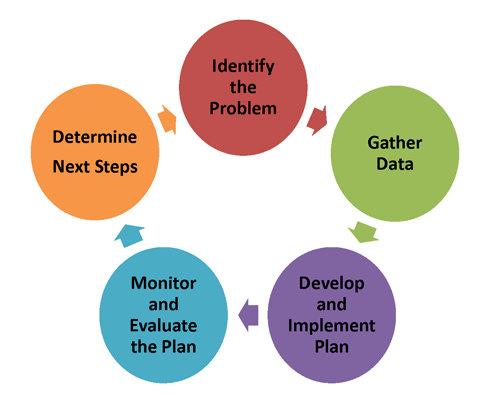
Collaborative problem-solving is a powerful tool that nurtures critical thinking, communication skills, and teamwork. In traditional educational settings, the emphasis often lies on individual achievement and competition. However, alternative schooling and education methods recognize the importance of collaboration in preparing students for real-life challenges.
When students engage in collaborative problem-solving activities, they learn to listen actively to their peers’ ideas, respect different perspectives, and work towards consensus. This process encourages creativity as individuals contribute unique insights while building upon others’ suggestions. Students also develop effective communication skills as they articulate their thoughts clearly and respectfully.
Moreover, collaborative problem-solving fosters a sense of community and empathy among students. They learn to support one another by sharing resources and offering encouragement. Through collaboration, students gain an understanding of diverse backgrounds and experiences which leads to increased tolerance and acceptance.
In addition to the social benefits, collaborative problem-solving equips learners with essential 21st-century skills necessary for success in various professions. Many careers require individuals who can work collaboratively with colleagues from different disciplines or cultural backgrounds.
Alternative schools embrace these principles by incorporating project-based learning activities where students work together on real-world problems. Teachers serve as facilitators rather than lecturers; they guide discussions while allowing students autonomy over their learning journey.
In conclusion, collaborative problem-solving is a vital aspect of alternative schooling and education methods that prepare students for life beyond the classroom walls. By fostering critical thinking abilities, enhancing communication skills, promoting empathy, and developing 21st-century competencies like teamwork and adaptability – this approach empowers learners to become active contributors in an ever-changing world
 Alternative Amie
Leave a comment