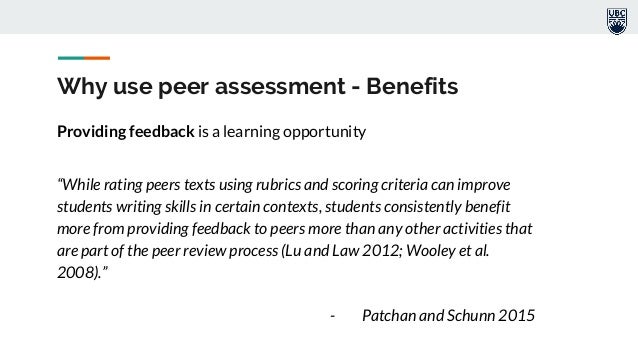
Peer assessment is a valuable tool in alternative schooling that offers numerous benefits to students. Unlike traditional education systems where teachers are solely responsible for evaluating student work, peer assessment encourages students to actively engage with their peers’ assignments and provide constructive feedback. This process not only enhances learning but also fosters independence, critical thinking, and collaboration skills among students.
One of the key advantages of peer assessment is that it promotes a deeper understanding of the subject matter. When students review their peers’ work, they gain exposure to different perspectives and approaches. This exposure can broaden their own understanding of the topic and help them identify areas where they may need improvement. By critically analyzing others’ work, students are able to reflect on their own knowledge gaps and develop a more comprehensive grasp of the subject.
Additionally, peer assessment encourages active participation in the learning process. Students become more invested in their studies when they know that their work will be evaluated by their peers. This motivation drives them to put forth greater effort into completing assignments and ensures that they take ownership of their own learning journey.
Furthermore, peer assessment nurtures independent thinking skills in students. Instead of relying solely on teacher feedback, students learn how to evaluate work using objective criteria and make informed judgments about its quality. They develop critical thinking abilities as they consider various aspects such as content accuracy, organization, clarity of expression, and adherence to guidelines. These skills are essential for success not only within academia but also in future careers where independent decision-making is often required.
Collaboration is another crucial skill developed through peer assessment. As students provide feedback on each other’s work, they engage in discussions that require effective communication and empathy towards others’ perspectives. Through this collaborative approach, students learn how to give constructive criticism while being respectful towards one another’s efforts – an invaluable skill both inside and outside the classroom setting.
In addition to fostering academic growth, peer assessment also helps build social connections among classmates within alternative schooling environments. By actively engaging in the assessment process, students have the opportunity to interact with their peers, share ideas, and provide support. This interaction can lead to enhanced teamwork skills and create a sense of community within the alternative schooling environment.
Moreover, peer assessment prepares students for real-world scenarios where they will frequently be required to evaluate others’ work or seek feedback on their own projects. In professional settings, individuals often rely on colleagues’ expertise to improve their performance and produce high-quality results. By practicing peer assessment during their educational journey, students develop transferable skills that will prove valuable beyond the classroom walls.
It is worth noting that implementing effective peer assessment requires careful planning and guidance from teachers. Clear guidelines should be provided to ensure fairness and consistency in evaluations. Teachers can also play an active role by monitoring the process, providing additional insights or clarifications when needed, and addressing any conflicts that may arise during peer assessments.
In conclusion, incorporating peer assessment into alternative schooling environments offers numerous benefits for students. From enhancing understanding of subject matter to fostering independence and critical thinking skills, this approach provides a holistic learning experience. Additionally, it promotes collaboration among peers while preparing them for future endeavors where evaluating others’ work is commonplace. With proper guidance from teachers and clear evaluation criteria in place, peer assessment becomes an invaluable tool that empowers students to take control of their education while developing essential life skills along the way.
 Alternative Amie
Leave a comment