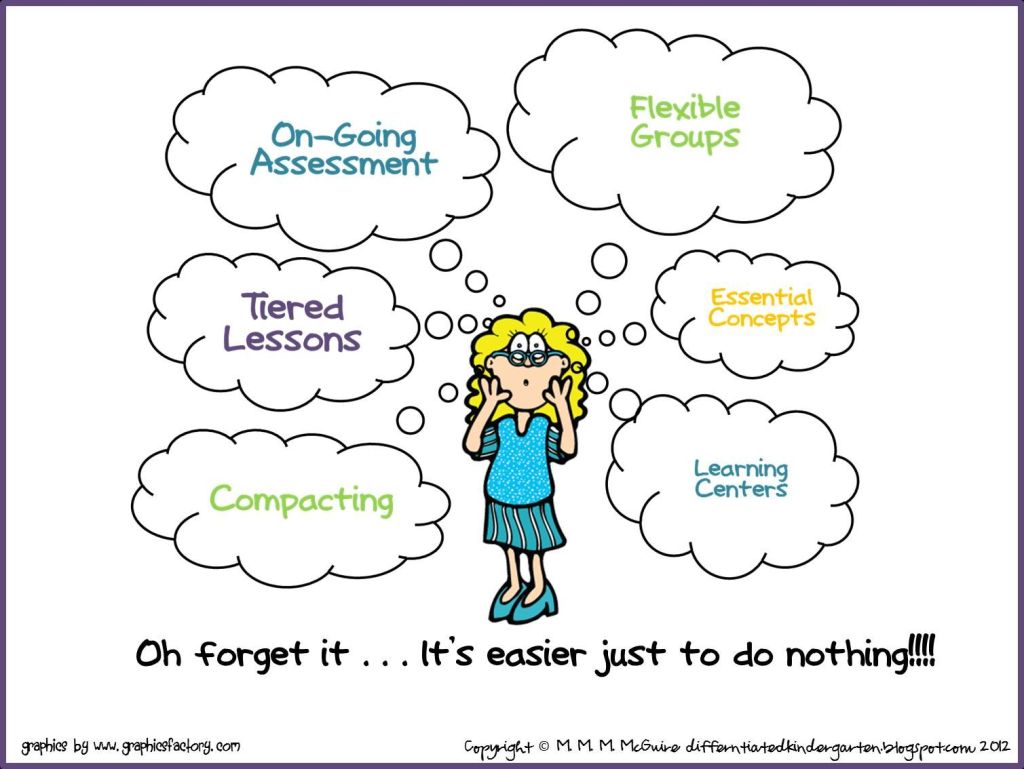
Differentiated Instruction: Meeting the Diverse Needs of Students
In traditional education, teachers often employ a one-size-fits-all approach to instruction, assuming that all students learn in the same way and at the same pace. However, this approach fails to recognize and address the unique needs and abilities of individual learners. To overcome this limitation, alternative schooling approaches have emerged that prioritize personalized learning experiences for students.
One such approach is differentiated instruction. This instructional strategy recognizes that students possess different strengths, interests, and learning styles. By tailoring instruction to meet these diverse needs, educators can optimize student engagement and achievement.
In a differentiated classroom, teachers offer multiple pathways for students to acquire knowledge and demonstrate understanding. They provide various learning materials, resources, and activities that align with each student’s readiness level or skill proficiency. For example, in a math lesson on fractions, some students may receive additional support through manipulatives or visual aids while others are challenged with more complex problem-solving tasks.
To implement differentiated instruction effectively, teachers must conduct ongoing assessments to identify individual student needs. These assessments can take many forms—formative assessments may include observations, quizzes or tests; summative assessments could involve projects or presentations—that allow teachers to gather data on student progress and adjust their instruction accordingly.
Individualized Learning Plans: Nurturing Personal Growth
Another key element in personalized education is the use of Individualized Learning Plans (ILPs). An ILP is a customized roadmap for each student’s educational journey based on their specific goals and aspirations. By involving students in setting their own learning objectives and monitoring progress towards those goals over time, ILPs foster greater ownership of learning.
ILPs typically comprise short- and long-term academic targets as well as personal development goals tailored to each student’s strengths and areas for improvement. They also outline strategies for achieving these objectives while considering any necessary accommodations or adaptations needed due to exceptionalities or disabilities.
Self-Paced Learning: Empowering Autonomy and Mastery
Self-paced learning is another effective strategy for personalizing instruction. This approach allows students to progress through the curriculum at their own pace, ensuring they have sufficient time to master each concept before moving on to the next.
In a self-paced learning environment, students have flexibility in choosing when and how they engage with content. They may work independently or collaborate with peers, accessing resources such as digital platforms, textbooks, videos, or online tutorials. Teachers act as facilitators and provide individualized support as needed.
Mastery-Based Learning: Competency over Seat Time
Mastery-based learning shifts the focus from seat time to competency acquisition. Instead of advancing based on arbitrary timelines or age-based grade levels, students advance when they demonstrate mastery of specific skills or concepts.
This approach encourages students to fully grasp foundational knowledge before progressing further. It ensures that learners are not left behind if they struggle with certain topics while allowing those who grasp concepts quickly to move ahead without unnecessary repetition.
Project-Based Learning in Personalized Education: Authentic Application of Knowledge
Project-based learning (PBL) is an essential component of personalized education that engages students in real-world problem-solving activities. PBL projects provide opportunities for deep inquiry and application of knowledge across various disciplines.
In a PBL setting, students tackle authentic problems aligned with their interests and passions. Through collaboration and critical thinking skills development, they design solutions while applying academic content learned throughout their educational journey.
Personalized Assessment Strategies: Going Beyond Traditional Tests
Traditional assessments often rely heavily on standardized tests that measure rote memorization rather than deeper understanding or practical application of knowledge. In personalized education settings, assessment strategies need to be more comprehensive and tailored to individual student needs.
Personalized assessment strategies encompass a range of formative and summative assessments that allow educators to gather evidence of student growth beyond traditional testing methods. These include performance tasks, portfolios showcasing student work samples over time, reflection journals, self-assessments, and peer evaluations.
Adaptive Technology in Alternative Schooling: Enhancing Personalization
Advancements in technology have opened up new possibilities for personalized education. Adaptive technology tools utilize algorithms to tailor content and learning experiences to individual student needs.
These tools analyze student responses and progress data to provide adaptive feedback, suggest appropriate resources or activities, and offer additional support when necessary. By leveraging adaptive technology, educators can cater to students’ unique learning styles and pace while providing targeted interventions to bridge gaps in understanding.
Personalized Learning for Students with Special Needs: Addressing Unique Challenges
Personalized education holds particular significance for students with special needs. Traditional classrooms often struggle to meet the diverse requirements of these learners due to limited resources or a lack of specialized support.
In alternative schooling settings that prioritize personalization, students with special needs receive individualized instruction tailored explicitly to their strengths and areas for growth. This may involve modifications or accommodations such as assistive technologies, specialized curricula, differentiated materials, or additional support staff trained in meeting their distinct educational goals.
Personalized Learning for Gifted and Talented Students: Nurturing Potential
Gifted and talented students also benefit greatly from personalized learning approaches. These learners require opportunities that extend beyond grade-level expectations to fully develop their exceptional abilities.
Alternative schooling models provide enrichment programs designed specifically for gifted learners. These programs offer a more challenging curriculum that fosters critical thinking skills development through complex problem-solving tasks, independent research projects, mentorships with experts in the field of interest, or participation in advanced courses not typically offered at traditional schools.
Personalized Learning for English Language Learners: Bridging Linguistic Barriers
English language learners (ELLs) face unique challenges as they strive to acquire both academic content knowledge and language proficiency simultaneously. Personalized education ensures ELLs receive targeted English language instruction while accessing grade-level content aligned with their interests.
In an alternative school setting catering to ELLs, teachers incorporate language development strategies across various subject areas. They scaffold instruction, provide visual aids, offer bilingual support when necessary, and foster a culturally inclusive environment that values students’ diverse linguistic backgrounds.
Social-Emotional Development in Personalized Education: Nurturing the Whole Child
Personalized education recognizes the importance of nurturing students’ social-emotional well-being alongside academic growth. By prioritizing social-emotional development, alternative schooling approaches create supportive classroom environments where students feel safe to take risks, express themselves authentically, and build positive relationships with peers and educators.
Teachers integrate activities promoting self-awareness, empathy building, conflict resolution skills development, and stress management techniques into daily routines. They also prioritize fostering a sense of belonging and community through collaborative projects or regular class meetings focused on relationship-building.
Building Student Agency and Ownership in Personalized Learning Environments: Empowering Learners
One of the fundamental goals of personalized education is to empower learners by fostering student agency and ownership over their learning experiences. Students become active participants in setting goals, making choices about how they learn best, reflecting on their progress regularly.
In personalized classrooms, teachers encourage students to take responsibility for their learning journey by providing opportunities for self-reflection and goal-setting. Students engage in metacognitive practices such as journaling or developing personal learning portfolios that document their growth over time.
Personalized Learning and Student Motivation: Fostering Intrinsic Drive
When students have a voice in shaping their educational experiences according to their interests and needs, motivation levels skyrocket. Personalized education taps into intrinsic motivation by allowing students to explore topics they find meaningful while offering them autonomy within structured frameworks.
Alternative schooling models leverage this intrinsic motivation by designing curriculum units around student passions or integrating real-world connections into lessons. Teachers also provide ongoing feedback that focuses on growth rather than comparison with peers—a key factor influencing student engagement.
Culturally Responsive Personalized Education: Valuing Diversity
Culturally responsive personalized education acknowledges the diverse backgrounds, experiences, and identities of students. It ensures that instruction reflects their cultural heritage and addresses topics relevant to their lives while promoting mutual respect among all learners.
In alternative schooling settings, educators strive to incorporate culturally diverse perspectives into curriculum materials, select literature representing various cultures and traditions, or invite guest speakers from different communities to share their experiences. This approach fosters inclusivity and equity within the classroom environment.
Parental Involvement in Personalized Learning: Collaborative Partnerships
Parents play a crucial role in supporting personalized learning efforts. By involving parents as partners in education, teachers can gain valuable insights into students’ strengths, interests, and areas for growth outside of the classroom.
Alternative schooling models prioritize open communication channels between teachers and parents through regular conferences or digital platforms. These platforms allow parents to stay informed about their child’s progress, provide input on goal-setting processes or offer feedback on how instructional strategies can be tailored further at home.
Teacher Roles and Responsibilities in a Personalized Classroom: Facilitators of Learning
In personalized classrooms, teachers take on new roles as facilitators of learning rather than being the sole source of knowledge. They act as guides who scaffold instruction based on individual student needs while fostering critical thinking skills development.
Teachers design learning experiences that encourage inquiry-based approaches while providing guidance when necessary. They also collaborate with colleagues to analyze student data collectively and refine instructional practices continually.
Professional Development for Teachers Implementing Personalized Learning: Building Capacity
To successfully implement personalized learning approaches in alternative school settings requires ongoing professional development opportunities for educators. Professional development programs equip teachers with the pedagogical skills needed to differentiate instruction effectively and create supportive environments for personalization.
These programs may include workshops or coaching sessions focused on understanding learner variability, designing inclusive lesson plans, using adaptive technology tools effectively, implementing project-based learning activities collaboratively or addressing social-emotional needs within a personalized context.
Creating a Supportive School Culture for Personalized Education: Collaboration and Reflection
A supportive school culture is vital to the success of personalized education initiatives. Administrators, teachers, students, and families must collaborate to create an environment that fosters personalization while promoting equity and diversity.
School leaders should encourage open dialogue among stakeholders through regular meetings or forums dedicated to sharing successes, challenges, and ideas for improvement. They also need to establish structures that allow for ongoing reflection on practices and policies related to personalization.
Balancing Structure and Flexibility in Alternative Schooling Approaches: Individual Needs Meet Core Standards
While personalized education emphasizes meeting individual student needs, it is essential to strike a balance between structure and flexibility. Core academic standards provide a framework within which personalization can occur effectively without sacrificing rigor or breadth of content coverage.
Teachers align instruction with these standards while leveraging various instructional strategies such as differentiation, ILPs, self-paced learning or project-based learning. This ensures students develop essential skills across subject areas while allowing room for their unique interests or talents to flourish.
Personalized Learning and College/Career Readiness: Preparing Students for the Future
Personalized education has strong implications for college/career readiness. By allowing students greater agency in their educational journey, alternative schooling models equip learners with critical skills needed beyond graduation.
Personalized learning experiences foster adaptability, problem-solving abilities, collaboration skills development—essential competencies sought by colleges/universities and employers alike. Additionally, ILPs enable students to explore career pathways aligned with their passions early on while providing targeted support towards achieving those goals.
Equity Considerations in Personalized Education: Ensuring Access for All
Equity remains at the forefront of personalized education efforts. It is crucial that all students have equal access to high-quality resources and opportunities regardless of race/ethnicity socio-economic status (SES), gender identity ability/disability status or language proficiency level.
To address equity considerations, alternative schooling approaches prioritize removing barriers to access such as providing technology resources for students without reliable home internet connections or implementing culturally responsive pedagogical practices. Schools also strive to create an inclusive environment where all students feel valued and supported.
Using Data to Inform Personalization Strategies: Evidence-Based Decision Making
Data plays a crucial role in personalized education by informing instructional decisions and tracking student progress towards learning goals. By analyzing various forms of data—academic assessments, feedback from peer collaboration projects, self-reflections—teachers can identify areas needing further support or acceleration.
Educators use this information to adjust instruction or provide targeted interventions tailored to individual student needs. They also involve students in the data analysis process, fostering metacognitive skills development and ownership of their learning progress.
Personalizing Instruction Across Multiple Subjects/Curriculum Areas: Integrated Learning Experiences
Personalized education extends beyond a single subject area—it is about creating integrated learning experiences that connect concepts across disciplines. Interdisciplinary projects encourage critical thinking skills development while promoting transferable knowledge application.
Teachers collaborate with colleagues from different subject areas to design engaging units that incorporate multiple perspectives and foster connections across academic domains. These units allow students to explore complex problems using diverse tools and strategies drawn from various disciplines.
Peer Collaboration and Feedback in a Personalized Classroom Setting: Cooperative Learning
Collaborative learning experiences are integral components of personalized classrooms. Peer collaboration provides opportunities for students to engage in meaningful discussions, learn from each other’s strengths, develop social-emotional skills like empathy or conflict resolution techniques, and receive constructive feedback on their work.
Teachers facilitate structured activities that promote cooperative problem-solving tasks or small-group discussions where students share ideas openly. This collaborative culture fosters a sense of community within the classroom environment while enhancing individual growth through collective knowledge sharing.
Implementing Personalization at Scale within an Alternative School System: Scaling Up Success
Scaling up personalized education initiatives requires careful planning and coordination at the school system level. It involves aligning curriculum, instructional practices, and assessment strategies across all schools within the system while considering individual student needs.
School districts can establish professional learning communities (PLCs) where teachers collaborate to share best practices, analyze student data collectively, and refine personalization strategies. District-level administrators provide ongoing support and resources to ensure successful implementation throughout the entire alternative schooling system.
In conclusion, personalized education approaches such as differentiated instruction, ILPs, self-paced learning, mastery-based learning, project-based learning, adaptive technology integration are transforming traditional educational models. By recognizing and addressing the unique needs of each learner in a holistic manner—academically, socially-emotionally culturally—alternative schooling settings foster engagement ownership over learning experiences. With a focus on equity inclusion alongside rigorous academic preparation for college/career readiness personalized education prepares students for success in an ever-evolving world.
 Alternative Amie
Leave a comment