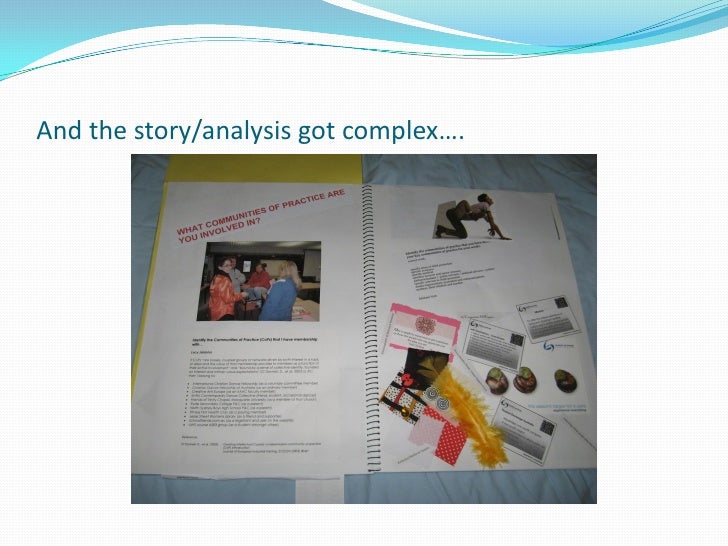
Assessing Collaboration and Teamwork Skills in Portfolios
In today’s rapidly changing world, collaboration and teamwork skills are becoming increasingly important for success in both education and the workplace. As a result, many educators are looking for effective ways to assess these skills in students’ portfolios. A portfolio is a collection of work that showcases an individual’s abilities, growth, and achievements over time. It provides an opportunity to demonstrate not only one’s knowledge but also their ability to work effectively with others.
One way to assess collaboration and teamwork skills in portfolios is by including evidence of group projects or team-based assignments. These could be documents such as project plans, meeting minutes, or reflections that highlight the individual’s role within the team. This allows evaluators to gain insight into how well the student has contributed to achieving shared goals, communicated with teammates, resolved conflicts, and demonstrated leadership qualities.
Another approach is to include examples of collaborative problem-solving efforts. This could involve presenting case studies or real-life scenarios where students had to work collaboratively with others to find solutions. The portfolio can then showcase the steps taken during the problem-solving process, such as brainstorming ideas, analyzing alternatives, making decisions as a group, and evaluating outcomes.
To further assess collaboration skills through portfolios, educators can encourage students to include feedback from peers or colleagues they have worked with on various projects. This feedback can provide valuable insights into how well individuals collaborate with others by highlighting their strengths and areas for improvement. Including testimonials from team members who have experienced firsthand working alongside the student can add credibility and authenticity to their claims about their collaboration skills.
Additionally, self-reflection pieces within portfolios allow students an opportunity for introspection on their own collaboration experiences. By asking reflective questions such as “What did I learn about myself as a collaborator?” or “How have I grown through working with others?”, educators can gauge students’ level of self-awareness regarding their collaboration strengths and weaknesses. This insight can provide a deeper understanding of how well students recognize their own growth and areas for improvement.
Incorporating multimedia elements, such as videos or recordings, can also enhance the assessment of collaboration skills in portfolios. These media formats allow students to demonstrate their verbal communication skills, active listening abilities, and nonverbal cues during collaborative activities. By including visual representations of group discussions or presentations, evaluators can gain a more comprehensive understanding of how well students engage with others in different settings.
Furthermore, it is essential to assess not only the final outcomes but also the collaborative processes that led to those outcomes. Including documentation showing the progression of group work over time provides evaluators with insights into how effectively individuals collaborate at different stages of a project. Examples may include drafts, revisions, meeting agendas, and evidence of iterative problem-solving.
Lastly, educators should consider assessing collaboration and teamwork skills through self-assessment rubrics included within portfolios. These rubrics could include specific criteria such as active participation in group discussions, effective communication skills both verbally and written form, ability to resolve conflicts constructively, willingness to take on leadership roles when needed, and overall contribution towards achieving shared goals.
In conclusion, assessing collaboration and teamwork skills in portfolios offers valuable insights into an individual’s ability to work effectively with others towards common objectives. By including evidence of group projects or team-based assignments along with reflections on these experiences within portfolios, educators can evaluate various aspects of collaboration such as communication skills demonstrated throughout the process. Incorporating feedback from peers or colleagues further strengthens this assessment by providing external perspectives on one’s collaboration strengths and weaknesses. Multimedia elements like videos or recordings add richness to portfolio assessments while allowing for an evaluation of verbal communication abilities during collaborative activities. Additionally, assessing not just final outcomes but also the collaborative processes involved helps measure growth over time. Finally yet importantly self-assessment rubrics enable individuals themselves to reflect on their own collaboration capabilities while providing evaluators with an additional perspective. By considering these various approaches, educators can effectively assess collaboration and teamwork skills in portfolios, empowering students to develop these critical abilities for future success.
 Alternative Amie
Leave a comment