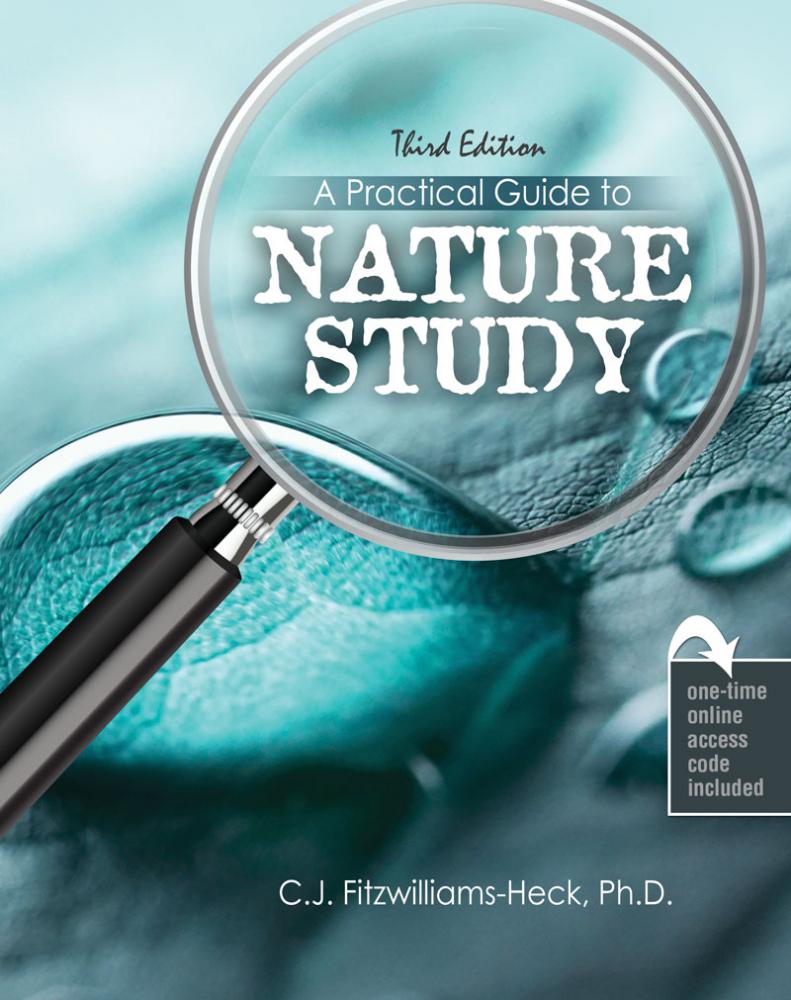
Nature Study: A Comprehensive Guide to Alternative Education
Introduction:
In today’s modern world, where technology is ever-present and children are constantly engaged with screens, there is an increasing need for alternative education methods that reconnect them with the natural world. Nature study provides a holistic approach to learning by immersing students in their surroundings and encouraging them to observe, appreciate, and understand the environment. This article aims to explore the benefits of nature study as an alternative educational tool and provide practical tips for implementing it in various settings.
Benefits of Nature Study:
1. Environmental Awareness:
Nature study fosters a deep love and appreciation for the environment from an early age. By spending time outdoors and observing nature’s intricacies, students develop a sense of responsibility towards protecting our planet. They learn about sustainability, conservation, ecosystems, climate change, biodiversity loss, and other pressing environmental issues.
2. Emotional Well-being:
Regular exposure to nature has been proven to have positive impacts on mental health. Being surrounded by green spaces reduces stress levels while boosting mood and overall well-being. Nature study promotes mindfulness as students engage all their senses – smelling flowers, feeling different textures underfoot or between their fingers, listening to birdsong – which helps them cultivate emotional resilience.
3. Physical Health:
Participating in outdoor activities during nature study promotes physical fitness among children who are otherwise sedentary due to excessive screen time or lack of opportunities for exercise. Whether it’s hiking through forests or climbing trees at a local park, these activities encourage movement while also improving cardiovascular health.
4.Scientific Inquiry Skills:
Nature study naturally lends itself to scientific exploration by stimulating curiosity-driven inquiry skills among students. Children learn how to make observations carefully without judgment or preconceived notions; they develop hypotheses based on evidence collected firsthand from nature; they analyze data through comparisons; they draw conclusions using logical reasoning processes.
5.Multidisciplinary Learning:
Nature does not exist within disciplinary boundaries, making it an ideal setting for integrated learning experiences. During nature study, students can explore various subjects simultaneously. For example, while observing a butterfly in its natural habitat, they could learn about its life cycle (biology), understand the significance of pollination (environmental science), study the colors on its wings (art), and write poetry inspired by its gracefulness (language arts).
Implementing Nature Study:
1. Outdoor Classroom:
Establish an outdoor classroom or designated area where students can engage in hands-on activities related to nature study. This space should provide opportunities for exploration and discovery while ensuring safety.
2. Seasonal Focus:
Structure your curriculum around the seasons to enable students to witness changes in flora and fauna throughout the year. This approach helps them develop a sense of time and rhythm within nature’s cycles.
3.Experiential Learning:
Encourage direct engagement with nature through field trips, camping trips, gardening projects, or simply spending regular class time outdoors. Students can participate in activities such as identifying plants and animals, examining rocks and minerals, studying weather patterns, or conducting water quality tests near local streams.
4.Documentation:
Provide tools like journals or sketchbooks for students to record their observations during nature study sessions. They can document their findings through writing descriptions, drawing sketches of plants or animals encountered along the way.
5.Community Involvement:
Engage with local experts such as park rangers, botanists, birdwatchers who can serve as guest speakers or guides during excursions into natural areas surrounding your school. Organize community service projects that revolve around environmental conservation efforts.
Conclusion:
Nature study offers a holistic approach to education that nurtures not only academic growth but also emotional well-being and environmental consciousness among children.Comprehensive integration of alternative educational methods like nature study will ensure that our future generations are equipped with the knowledge and skills needed to protect our planet while fostering personal growth
 Alternative Amie
Leave a comment