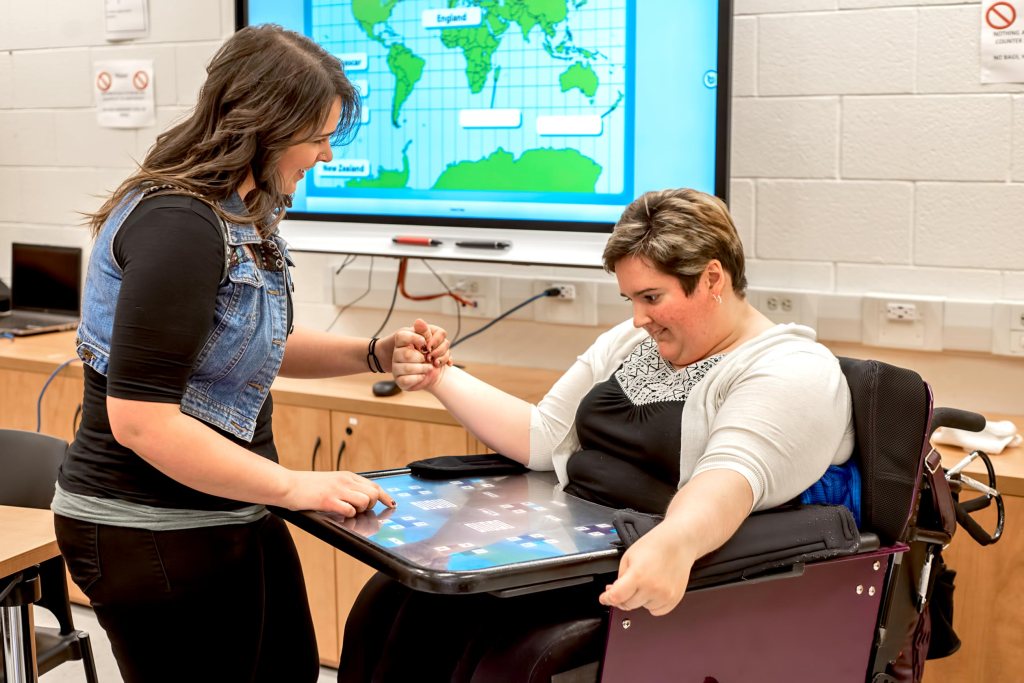
Experiential Learning in Alternative Schools: Fostering Meaningful Education
Alternative schools are known for their innovative and unconventional approaches to education. One key aspect that sets them apart from traditional schools is their emphasis on experiential learning. Experiential learning involves actively engaging students in hands-on experiences that allow them to apply theoretical knowledge in real-world contexts. This approach has been proven to enhance critical thinking, problem-solving skills, and overall academic achievement.
Incorporating experiential learning into the curriculum of alternative schools can take various forms. Field trips, community service projects, internships, and apprenticeships are just a few examples of how alternative schools provide opportunities for students to gain practical experience beyond the confines of the classroom.
Community service is an integral part of alternative school curricula as it helps students develop empathy, compassion, and a sense of social responsibility. By engaging in meaningful community service projects, students have the opportunity to address local needs while also deepening their understanding of societal issues. Service-learning programs not only benefit the community but also empower students by helping them understand their ability to make positive change.
Mentorship plays a crucial role in community-based learning within alternative education settings. Mentors serve as guides and role models who share their expertise and experiences with students. They help foster personal growth, build self-confidence, and provide valuable insights into different career pathways or areas of interest. Mentorship programs create mutually beneficial relationships wherein both mentors and mentees learn from each other through shared experiences.
Environmental education is another important component of alternative schooling initiatives. With growing concerns about climate change and sustainability, it is vital for young learners to understand the impact they can have on the environment. Alternative schools often incorporate environmental studies into their curriculum through outdoor education programs or sustainability initiatives such as recycling campaigns or energy conservation projects.
Artistic expression plays a significant role in fostering creativity within alternative educational environments while simultaneously promoting community engagement. Art projects, performances, and exhibitions provide students with a platform to express themselves and explore social issues. Through art, students can raise awareness about topics such as inequality, diversity, or environmental conservation in a visually compelling way.
Social justice and activism are also central themes in alternative education settings. These schools often encourage students to critically analyze societal structures and challenge injustices. By incorporating discussions on social justice into the curriculum, alternative schools empower students to become agents of change within their communities.
Outdoor education and adventure-based learning programs offer unique opportunities for personal growth and skill development. These programs involve activities such as hiking, camping, rock climbing, or team-building exercises that promote leadership skills, resilience, and problem-solving abilities. Outdoor education fosters a deeper connection with nature while encouraging healthy lifestyles and an appreciation for the environment.
Intergenerational learning bridges the generation gap by bringing different age groups together to learn from one another. Alternative schools often collaborate with senior centers or retirement homes to create intergenerational programs that foster mutual understanding and respect. Through shared experiences like storytelling sessions or collaborative projects, both young learners and older adults gain valuable insights into different perspectives.
Building partnerships with local businesses is an effective strategy for providing real-world experiences to alternative school students. By connecting with businesses in their community, schools can facilitate internships or apprenticeships that allow students to gain practical skills relevant to their career interests. These partnerships not only benefit individual students but also contribute to the overall economic development of the community.
Community gardens and urban farming projects are becoming increasingly popular in alternative schools as they provide hands-on experiences in sustainability practices, nutrition education, teamwork skills, and entrepreneurship opportunities. Students learn about sustainable food production while actively participating in growing fruits and vegetables for their own consumption or local food banks.
Restorative justice practices are often implemented within alternative schooling environments as an alternative approach to discipline that focuses on repairing harm rather than punishment alone. Restorative justice encourages dialogue between individuals involved in a conflict, promotes empathy and understanding, and fosters a sense of community responsibility.
Indigenous knowledge and cultural exchange programs are vital for promoting diversity and fostering mutual respect within alternative schools. These programs allow students to learn from Indigenous communities by engaging in cultural activities, participating in traditional ceremonies, or sharing stories. By recognizing the value of Indigenous cultures, alternative schools help create inclusive learning environments that celebrate diversity.
Service-learning trips abroad provide unique challenges and benefits for alternative school students. These trips offer opportunities for cultural immersion, language acquisition, personal growth, and a deeper understanding of global issues. However, it is essential to ensure that such trips are conducted ethically and responsibly to avoid perpetuating stereotypes or creating dependency.
Collaborative projects with neighboring schools or districts promote cooperation among educational institutions while also fostering community engagement. Students can work together on joint initiatives such as fundraisers, art exhibits, or research projects that address local concerns or explore shared interests.
Exploring career pathways through community connections is an effective way for alternative school students to gain insight into various professions. Through job-shadowing experiences or networking events with professionals in their fields of interest, students can make informed decisions about their future careers while building valuable connections within their communities.
Technology integration plays an important role in community-based learning initiatives by providing access to resources beyond physical boundaries. Online platforms can facilitate virtual mentorship programs connecting students with experts worldwide who share knowledge and insights relevant to their areas of interest.
Addressing mental health and well-being through community support is crucial in alternative education settings where individualized attention is often prioritized over standardized approaches. By partnering with mental health organizations or incorporating mindfulness practices into the curriculum, schools foster emotional resilience and overall well-being among their student body.
Alternative assessment methods are required to accurately measure the outcomes of community-centered education initiatives. Traditional exams may not adequately capture the diverse skills developed through experiential learning experiences; therefore, alternative schools often employ project-based assessments, portfolios, or presentations that allow students to showcase their learning in a more comprehensive and authentic way.
Engaging parents and families in the learning process is essential for creating a holistic educational experience. Alternative schools often organize workshops, family nights, or parent-teacher conferences that encourage active involvement and open communication between educators and families. By fostering strong home-school partnerships, alternative schools enhance student support systems and create a sense of community.
Conflict resolution skills development within a community context is an integral part of alternative education. Schools provide opportunities for students to engage in dialogue, learn negotiation techniques, practice active listening, and develop empathy as they navigate conflicts collaboratively. These skills empower students to resolve disputes peacefully both within the school environment and beyond.
In conclusion, alternative schooling environments offer a wealth of opportunities for experiential learning through various community-based initiatives. By incorporating service-learning projects, mentorship programs, environmental education initiatives, artistic expression opportunities, social justice activism efforts, outdoor education experiences, intergenerational collaborations,
partnerships with local businesses,
community gardens,
restorative justice practices,
Indigenous knowledge exchange programs,
service-learning trips abroad,
collaborative projects with neighboring schools or districts,
career exploration through community connections,
technology integration,
mental health support through community engagement,
alternative assessment methods,
and involving parents and families in the learning process,
alternative schools foster meaningful education that prepares students not only academically but also socially responsible citizens ready to contribute positively to their communities.
 Alternative Amie
Leave a comment