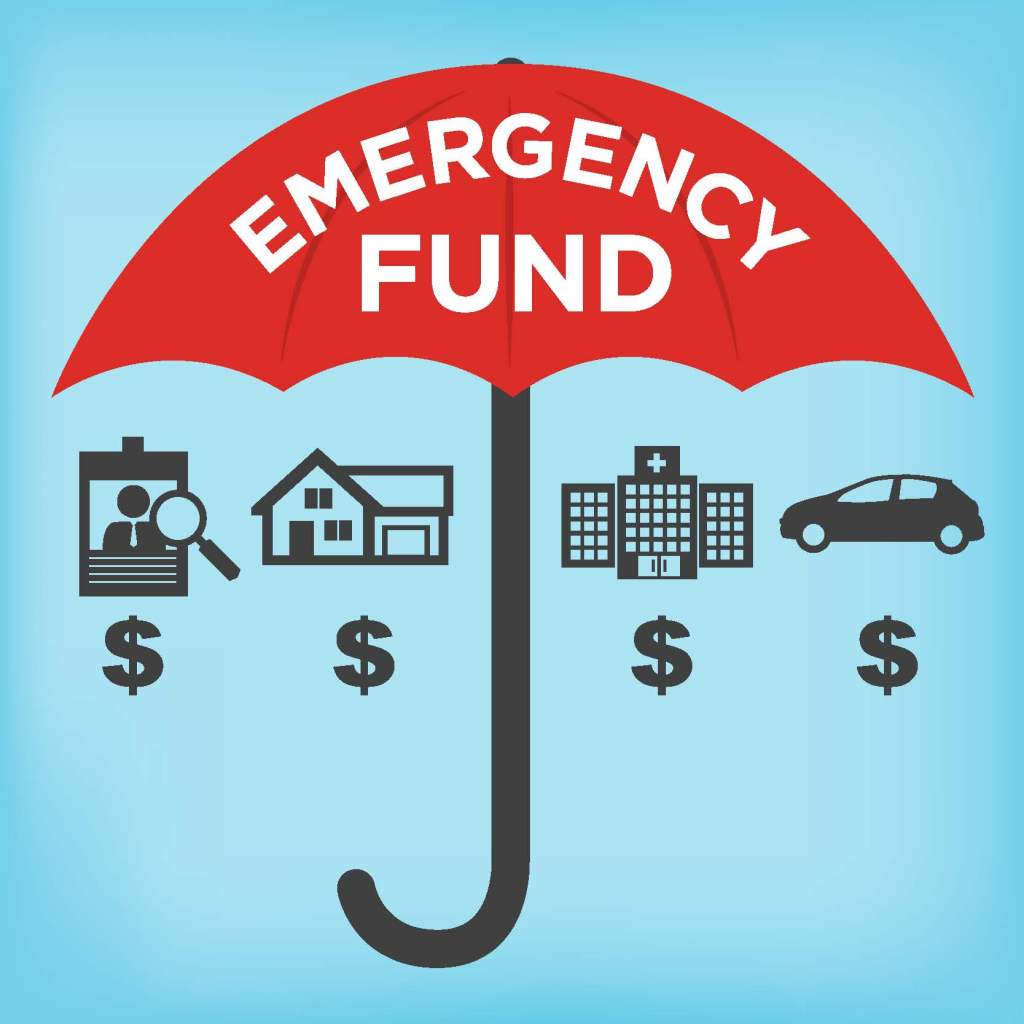
Building an Emergency Fund: A Key Aspect of Financial Preparedness
Introduction
In today’s uncertain times, it is more important than ever to have a safety net in place for unexpected expenses and emergencies. One way to achieve financial stability is by building an emergency fund. An emergency fund acts as a cushion to protect you from unforeseen circumstances such as medical emergencies, job loss, home repairs, or any other unexpected events that could lead to financial distress. In this article, we will explore the importance of having an emergency fund and provide practical tips on how to build one.
Understanding the Importance of an Emergency Fund
An emergency fund serves as a critical component of personal finance management. It provides peace of mind knowing that you are financially prepared for whatever life may throw at you. Here are some key reasons why building an emergency fund should be a priority:
1. Protection against unexpected expenses: Life is full of surprises, and many of them come with a hefty price tag attached. Whether it’s a sudden car repair or a medical bill not covered by insurance, having funds readily available can prevent these expenses from derailing your financial stability.
2. Job loss or income disruption: Losing your job unexpectedly can be incredibly stressful, especially if you do not have enough savings to cover everyday living expenses while looking for new employment opportunities. An emergency fund gives you the freedom and flexibility needed during periods of unemployment or income disruption.
3. Avoiding debt: Without an emergency fund, individuals often resort to borrowing money when faced with unforeseen circumstances – leading to additional stress and high-interest payments down the line. By having sufficient savings set aside specifically for emergencies, you can avoid falling into debt traps.
4. Taking advantage of opportunities: Having funds readily available allows you to seize valuable opportunities that may arise unexpectedly – whether it’s investing in stocks during market downturns or taking advantage of discounts on major purchases like real estate or education.
How Much Should You Save?
While there is no one-size-fits-all answer to how much you should save in an emergency fund, financial experts generally recommend aiming for three to six months’ worth of living expenses. This means calculating your average monthly spending and multiplying it by the desired number of months.
It’s important to consider personal circumstances when determining the appropriate amount for your emergency fund. Factors such as job stability, dependents, health conditions, and available social safety nets can impact the size of your savings goal. For example, individuals with more unstable employment might need a larger emergency fund compared to those with steady income streams.
Building Your Emergency Fund
Now that we understand why having an emergency fund is crucial let’s explore some practical steps towards building one:
1. Set a realistic savings goal: Assess your current financial situation and determine how much you can comfortably save each month without compromising essential expenses or existing debt payments. Even if it seems like a small amount initially, every dollar saved adds up over time.
2. Create a separate account: Open a dedicated bank account specifically for your emergency funds. Separating these funds from regular checking or savings accounts helps prevent accidental spending while keeping them easily accessible when needed.
3. Automate your savings: Take advantage of technology by setting up automatic transfers from your main account into the designated emergency fund account on payday or at regular intervals throughout the month. By automating this process, you remove the temptation to spend those funds elsewhere.
4. Cut unnecessary expenses: Review your budget and identify areas where you can reduce discretionary spending – dining out less frequently, canceling unused subscriptions or memberships, avoiding impulse purchases – and redirect those saved dollars towards building your emergency fund.
5. Increase income sources: Look for opportunities to boost your income through side gigs or freelance work that aligns with skills or hobbies outside of your primary job role. The additional earnings can be channeled directly into growing your emergency fund faster.
6. Prioritize debt repayment: While building an emergency fund is essential, it’s also crucial to address existing high-interest debt burdens. Find a balance between saving and paying off debts by focusing on high-interest loans first while still contributing to your emergency fund.
7. Stay committed: Building an emergency fund takes time, discipline, and sacrifice. It’s important to stay committed to your savings goal even when faced with temptations or unexpected expenses that may arise along the way.
Maintaining Your Emergency Fund
Once you have successfully built your emergency fund, it’s vital to maintain its value over time:
1. Revisit and adjust your savings goals periodically: As life circumstances change – such as getting married, having children, or changing jobs – reassess your financial situation regularly and adjust the size of your emergency fund accordingly.
2. Resist the urge to dip into it for non-emergency purposes: Temptations may arise where using funds from the emergency account seems convenient; however, it is crucial to remember that this money should only be used for genuine emergencies or unforeseen circumstances.
3. Replenish after using funds: If you need to tap into your emergency fund due to a legitimate crisis, make sure you replenish the amount withdrawn as soon as possible. This ensures you are always prepared for future emergencies.
4. Explore investment options once fully funded: Once you have achieved your target savings goal in the emergency fund account (three-six months’ worth of living expenses), consider exploring low-risk investment options like bonds or money market accounts that offer higher returns than traditional savings accounts while maintaining liquidity.
Conclusion
Building an emergency fund is an essential step towards achieving financial stability and peace of mind in today’s unpredictable world. By setting realistic goals, automating savings contributions, cutting unnecessary expenses, increasing income sources when possible, and staying disciplined throughout the process – individuals can create a safety net that protects against unexpected events without resorting to debt. Remember, it’s never too late to start building your emergency fund; the key is to take that first step and remain committed to your financial well-being.
 Alternative Amie
Leave a comment