Adaptive Technology: Enhancing Education for All
In today’s rapidly evolving world, education is no longer limited to the traditional classroom setup. With the advent of adaptive technology, students of all abilities can now access personalized learning experiences that cater to their unique needs. Adaptive technology refers to tools and software designed specifically to adapt and adjust based on individual student performance.
One of the key advantages of adaptive technology is its ability to provide customized learning paths. By analyzing data on a student’s strengths, weaknesses, and preferences, these tools can create tailored lesson plans and activities. This not only facilitates a more engaging and interactive learning experience but also ensures that each student has an equal opportunity for success.
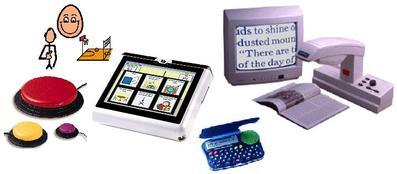
Additionally, adaptive technology promotes inclusivity by enabling students with disabilities or special educational needs to participate fully in the educational process. For instance, text-to-speech software assists visually impaired students in accessing written content while speech recognition software helps those with physical impairments communicate effectively.
Another notable feature of adaptive technology is its real-time feedback mechanism. Students receive immediate feedback on their progress, allowing them to identify areas for improvement and make necessary adjustments promptly.
Moreover, adaptive technology fosters independent learning skills by encouraging self-paced study. Students have control over their own learning process as they navigate through materials at their own speed. This autonomy cultivates critical thinking skills and nurtures a sense of responsibility towards one’s education.
While there are numerous benefits associated with adaptive technology in education, it is essential to acknowledge that it should supplement rather than replace human instruction. Teachers play a vital role in guiding students’ growth and development; thus, integrating adaptive technology into existing pedagogical practices can maximize its effectiveness.
Ultimately, adaptive technology opens doors for diverse learners by providing personalized support and equitable opportunities for academic achievement. As educators continue to embrace this innovative approach in alternative schooling environments across the globe, we move closer towards creating an inclusive educational landscape where every student can thrive.
 Alternative Amie
Leave a comment