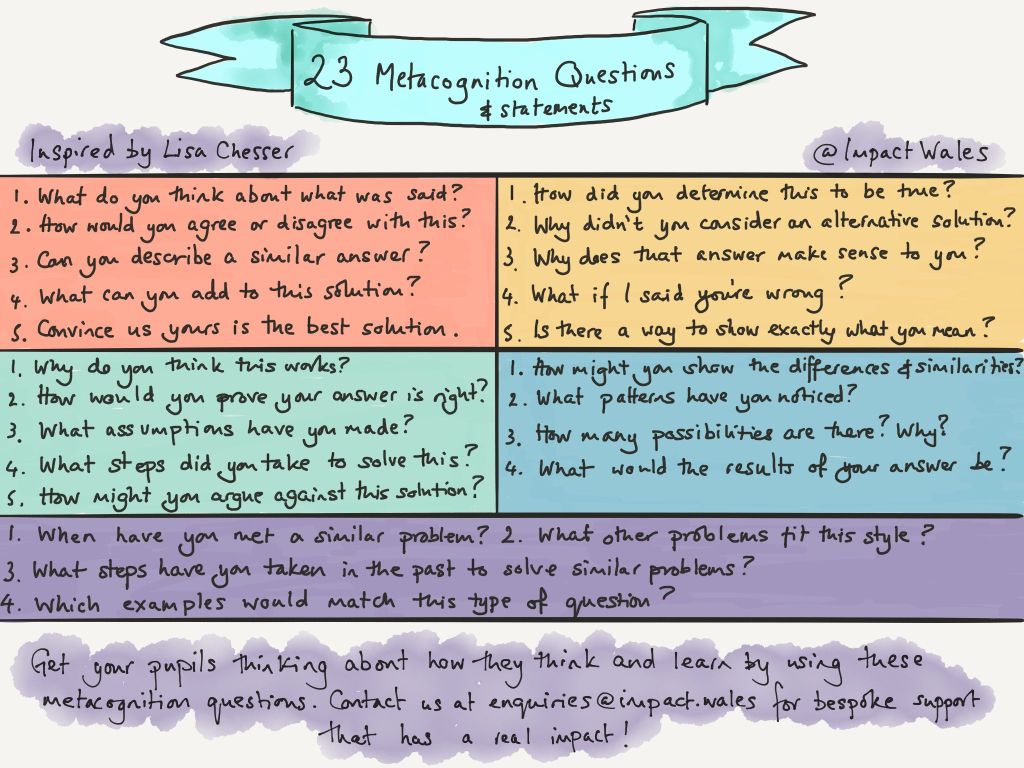
Metacognition and Reflection in Learning: Unlocking the Power of Alternative Education
In traditional education systems, the focus has often been on delivering information to students without giving them the tools to truly understand and apply that knowledge. However, alternative schooling and education models emphasize a different approach—one that is centered around metacognition and reflection.
Metacognition refers to our ability to think about our own thinking processes. It involves being aware of how we learn, understanding our strengths and weaknesses, and actively monitoring and regulating our cognitive processes. This awareness allows students to take control of their learning experience by setting goals, selecting appropriate strategies, monitoring their progress, and making necessary adjustments along the way.
Reflection goes hand in hand with metacognition as it encourages students to engage in deep thinking about what they have learned. By reflecting on their experiences, students can make connections between new information and prior knowledge, identify misconceptions or gaps in understanding, evaluate their learning strategies, consider alternative perspectives, recognize patterns or trends in their learning journey, and develop insights that can be applied across various contexts.
One key benefit of incorporating metacognitive practices into alternative education settings is fostering independent learners who are equipped with lifelong skills for success. When students are taught how to reflect on their thinking process rather than just memorize facts or follow instructions blindly, they become active participants in their own learning journey. They develop critical thinking skills that enable them to analyze problems from different angles and come up with creative solutions.
Furthermore, metacognitive practices enhance self-regulation abilities among learners. They learn how to set realistic goals based on an understanding of their capabilities while also developing effective ways to monitor progress towards those goals. This helps cultivate a growth mindset—an essential attribute for success not only academically but also personally and professionally.
Alternative schooling environments provide unique opportunities for cultivating metacognition and reflection due to smaller class sizes or more personalized instruction methods. Teachers can facilitate discussions where students are encouraged to think critically, question assumptions, and articulate their thought processes. They can guide students in setting individual learning goals and provide feedback that promotes self-reflection. These practices create a safe space for students to take risks, make mistakes, and learn from them.
In conclusion, metacognition and reflection play crucial roles in alternative education settings by empowering learners to become independent thinkers and lifelong learners. By fostering metacognitive skills such as goal-setting, monitoring progress, and reflecting on learning experiences, alternative schooling environments unlock the potential of each student to actively engage with their own learning journey. As we continue to explore innovative approaches to education, incorporating metacognition and reflection should be at the forefront of our efforts to nurture well-rounded individuals prepared for success in an ever-evolving world.
 Alternative Amie
Leave a comment