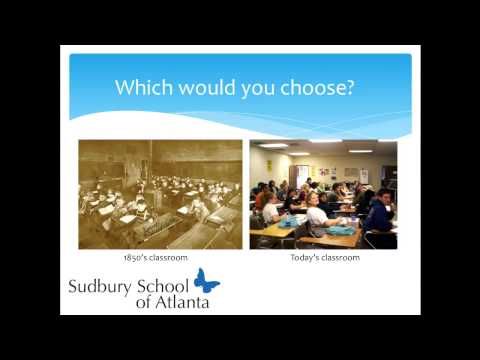
The Sudbury model of education is a unique and alternative approach to schooling that has gained attention and popularity in recent years. It prioritizes the freedom, autonomy, and rights of students, providing them with an environment that fosters self-directed learning, personal growth, and democratic decision-making.
Rooted in the philosophy of progressive education, the Sudbury model challenges traditional notions of schooling by questioning the effectiveness of curriculum-based instruction and standardized testing. Instead, it focuses on creating a supportive community where students are given ample time and space to explore their interests, pursue their passions, develop critical thinking skills, and become active participants in shaping their own education.
At the heart of this educational philosophy lie core principles that guide both staff members (referred to as “staff” rather than teachers) and students within a Sudbury school. These principles form the foundation for fostering an environment conducive to self-discovery, personal responsibility, respect for others’ choices, and collaborative decision-making.
1. Self-Directed Learning:
The Sudbury model believes that individuals learn best when they have control over what they learn and how they learn it. Students are encouraged to follow their own curiosity and passions while taking full responsibility for managing their educational journey. They choose how to allocate their time between various activities such as reading books from the library or engaging in hands-on projects like art or science experiments.
2. Freedom & Autonomy:
Autonomy is a fundamental principle within Sudbury schools. Students are trusted with making decisions about how they spend each day without external coercion or pressure from authority figures. This means they can freely choose how to utilize resources available at the school—from choosing which classes or workshops to attend (if any), to deciding whether or not to participate in meetings or committees.
3. Democratic Decision-Making:
Sudbury schools operate on democratic principles where everyone’s voice carries equal weight regardless of age or status within the community. All members—students included—participate in the decision-making process through regular democratic meetings. These meetings allow for open discussions, problem-solving, and voting on school matters such as rules, policies, and budget allocation.
4. Community & Social Responsibility:
Community is a vital aspect of Sudbury schools. Students are encouraged to take an active role in building a supportive and respectful community where everyone’s rights and opinions are valued. They learn how their actions can impact others and develop skills in conflict resolution through direct experiences. This emphasis on social responsibility helps students understand the importance of empathy, cooperation, and inclusivity.
5. Trust & Respect:
The Sudbury model operates on trust between staff members and students, creating an atmosphere that respects each individual’s autonomy and decision-making abilities. Staff members serve as mentors or resources rather than authority figures who dictate what should be learned or accomplished. This approach builds mutual respect among all members of the community.
6. Non-Graded Evaluation:
Sudbury schools do not use traditional grading systems or standardized testing to evaluate student progress or achievement levels. Instead, they believe that learning cannot be reduced to scores or labels but should be measured by personal growth, self-awareness, critical thinking skills development, and engagement with one’s interests.
7. Age-Mixing & Peer Learning:
Age mixing plays a crucial role within Sudbury schools as it allows for natural learning from older peers while also providing opportunities for mentorship roles to emerge spontaneously within the community. Younger students observe older ones engaged in activities they aspire to pursue themselves in due course—an organic process that nurtures inspiration and camaraderie among learners of all ages.
While the Sudbury model may not suit every learner or family due to its departure from conventional educational practices, it offers an alternative path for those seeking an environment that prioritizes individualism alongside collaboration; personal agency alongside social responsibility; curiosity-driven exploration alongside critical thinking development; freedom alongside structure tailored by the community. Sudbury schools provide a unique space for students to discover and shape their identities, interests, and passions as they prepare for life beyond the classroom.
 Alternative Amie
Leave a comment