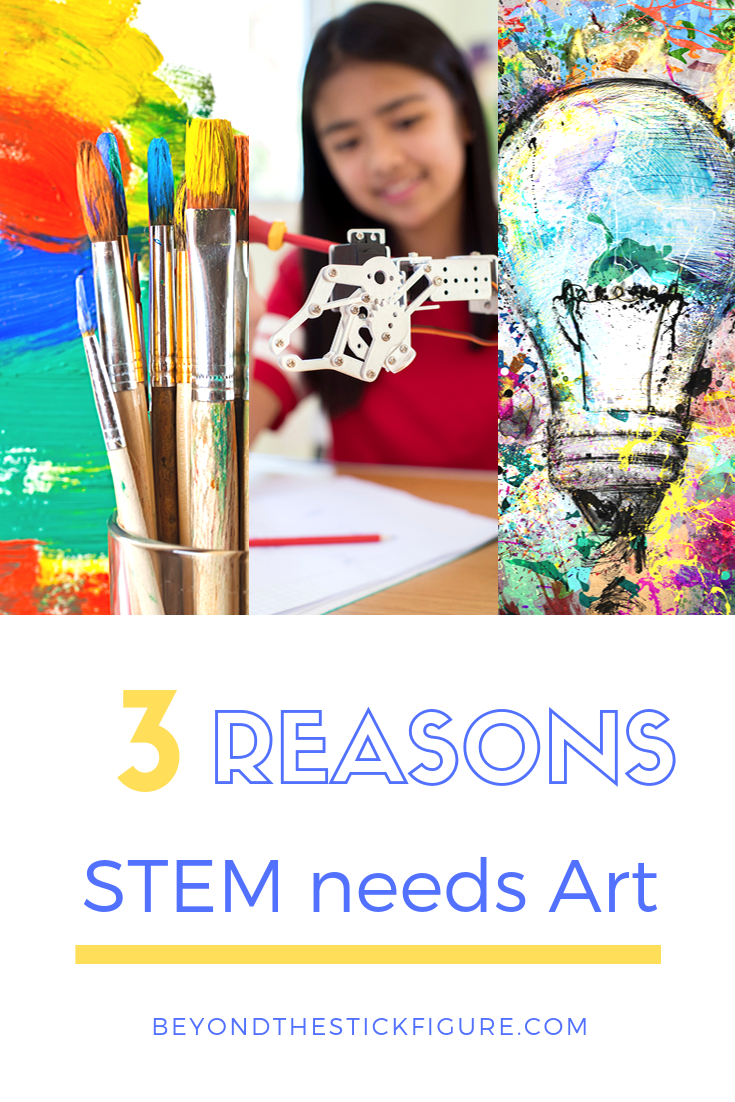
The Role of Creativity in STEM Education
STEM education, which encompasses science, technology, engineering, and mathematics, is often seen as a field that prioritizes logical thinking and problem-solving skills. However, one crucial aspect that is sometimes overlooked is the role of creativity in STEM learning.
Creativity involves thinking outside the box, coming up with innovative solutions to complex problems, and seeing connections between seemingly unrelated concepts. It is an invaluable skill in the world of science and technology where new ideas are constantly needed to drive progress.
Integrating creativity into STEM education can be done through various approaches. One effective method is to encourage open-ended projects that allow students to explore their own interests while applying scientific principles. This not only fosters creativity but also promotes critical thinking and problem-solving skills.
For example, instead of providing step-by-step instructions for building a robot or conducting an experiment, teachers can present students with a challenge or question and let them design their own solutions. This approach allows for multiple perspectives and encourages students to think creatively about how they can tackle the problem at hand.
In addition to project-based learning, incorporating art and design into STEM subjects can also enhance creative thinking. By allowing students to express their scientific knowledge through visual arts or hands-on activities like building models or creating prototypes, they develop a deeper understanding of scientific concepts while honing their creative skills.
Furthermore, encouraging interdisciplinary connections within STEM disciplines can foster creativity by exposing students to different ways of thinking. For instance, integrating computer programming with biology opens up new possibilities for designing simulations or analyzing complex data sets. Such collaborations enable students to think creatively about how they can apply knowledge from one discipline to solve problems in another.
Moreover, it’s important for educators to create supportive environments where mistakes are viewed as opportunities for growth rather than failures. Embracing failure as part of the learning process encourages risk-taking and experimentation – key aspects of cultivating creativity in STEM fields.
Ultimately, integrating creativity into STEM education not only prepares students for future careers in science and technology but also nurtures their ability to think critically, solve problems innovatively, and adapt to a rapidly changing world. By encouraging creative thinking, educators empower students to become active contributors and problem solvers in a society that increasingly relies on scientific advancements.
In conclusion, creativity is an essential component of STEM education. It promotes innovative thinking, problem-solving skills, and interdisciplinary connections. By incorporating open-ended projects, art integration, and supportive environments where failure is embraced as part of the learning process, educators can cultivate creative minds that will shape the future of science and technology.
 Alternative Amie
Leave a comment