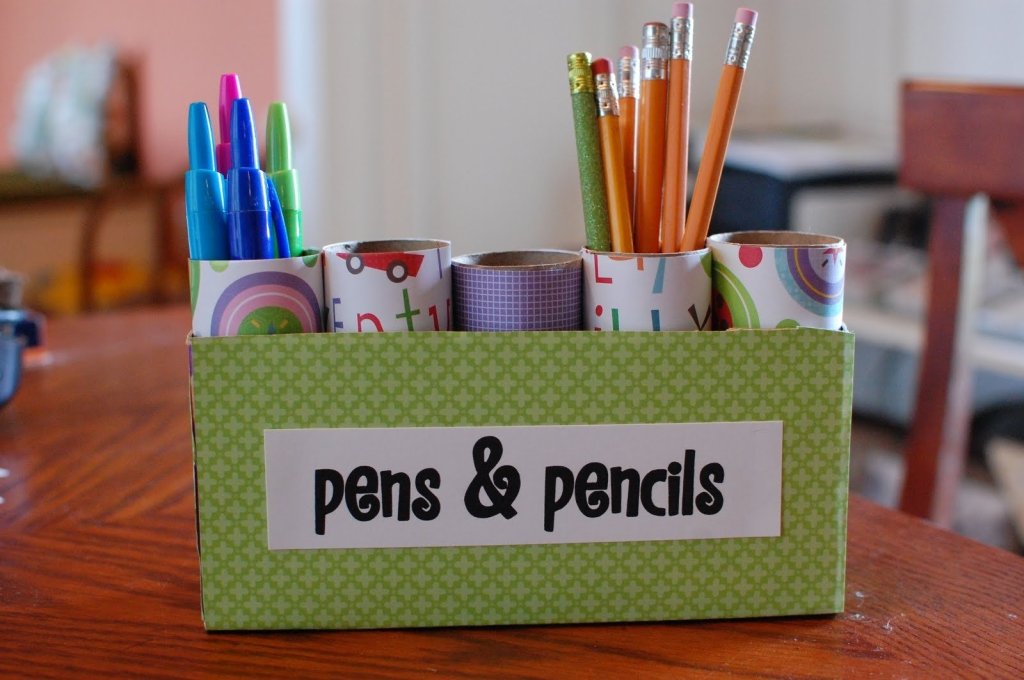
Recycling and Upcycling Projects: A Sustainable Approach to Education
In today’s world, where environmental concerns are paramount, it has become increasingly important to teach our children about the significance of recycling and upcycling. These practices not only help reduce waste but also encourage creativity and resourcefulness. Alternative schools have taken the lead in incorporating recycling and upcycling projects into their curriculum, providing students with valuable hands-on learning experiences that promote sustainability. In this article, we will explore some inspiring recycling and upcycling projects that can be implemented in alternative educational settings.
1. Repurposed Artwork:
One of the most accessible ways to introduce recycling and upcycling is through art projects. By encouraging students to create artwork using repurposed materials such as old magazines, cardboard boxes, bottle caps, or fabric scraps, they learn to think outside the box while considering sustainability factors. Teachers can organize workshops where students collaborate on large-scale art installations made entirely from recycled materials. This fosters teamwork, problem-solving skills, and a sense of responsibility towards the environment.
2. Eco-Friendly Fashion Design:
Fashion design is an excellent vehicle for teaching sustainable practices such as upcycling clothing items or creating new garments from recycled fabrics. Students can participate in fashion shows or organize clothing swaps within their school community to showcase their creations. Additionally, teachers can invite guest speakers who work in sustainable fashion industries to share their expertise with the students.
3. Waste Reduction Campaigns:
Alternative schools often take an active role in promoting waste reduction campaigns within their communities by organizing initiatives like “zero-waste lunches” or “plastic-free days.” These activities encourage students to bring reusable containers for snacks and lunch instead of disposable packaging items like plastic bags or single-use containers – thus reducing waste generated at school premises significantly.
4. Community Gardens:
Another impactful way alternative schools promote sustainability is through community gardens established on campus grounds or nearby areas within reach. Students can engage in composting projects, learn about the benefits of organic farming, and get hands-on experience in cultivating their food. This not only teaches them about sustainable agriculture but also instills a sense of responsibility towards nature and healthy eating practices.
5. Upcycled Furniture:
Alternative schools often face budget constraints when it comes to furnishing classrooms or common areas. By introducing upcycling furniture projects, students can help create functional and aesthetically pleasing pieces using discarded materials such as wooden pallets or old chairs. These collaborative efforts teach resourcefulness while beautifying the school environment.
6. Recycling Stations:
Setting up recycling stations throughout the school premises is an effective way to involve students actively in waste management practices. Each station can be labeled with specific categories like paper, plastic, glass, or metal for easy sorting and disposal. Students can take turns monitoring these stations, ensuring that everyone follows proper recycling guidelines.
7. Electronic Waste Recycling:
With technology becoming an integral part of education, electronic waste (e-waste) has become a significant concern due to its harmful impact on the environment if not disposed of correctly. Alternative schools can organize e-waste collection drives where students bring in outdated electronics from home or encourage local businesses to participate by collecting e-waste from their community members.
8. DIY Greenhouses:
Creating mini greenhouses using recycled materials provides an excellent opportunity for students to learn about plant propagation techniques and grow their vegetables or herbs indoors – even during colder months. They will understand how repurposing materials like plastic bottles or containers can contribute to environmental sustainability while nurturing plants.
9. Upcycled Science Projects:
Science experiments that incorporate upcycled materials are a great way for students to explore scientific concepts while emphasizing sustainability principles at the same time. For instance, building solar-powered ovens using cardboard boxes and aluminum foil allows children to experiment with renewable energy sources firsthand.
10.Environmental Awareness Campaigns:
To spread awareness about the importance of recycling and upcycling beyond their school community, students can organize campaigns or workshops for younger children in nearby schools. These activities can include interactive presentations, games, or hands-on projects to engage and educate younger students about environmental issues.
In conclusion, alternative schools play a crucial role in teaching children about the significance of recycling and upcycling through various creative projects. By implementing these practices into their curriculum, alternative educational institutions not only promote sustainability but also foster critical thinking skills, teamwork, and a sense of responsibility towards our planet. With an emphasis on hands-on learning experiences, these recycling and upcycling projects empower students to become environmentally conscious individuals who will continue making a positive impact on our world.
 Alternative Amie
Leave a comment