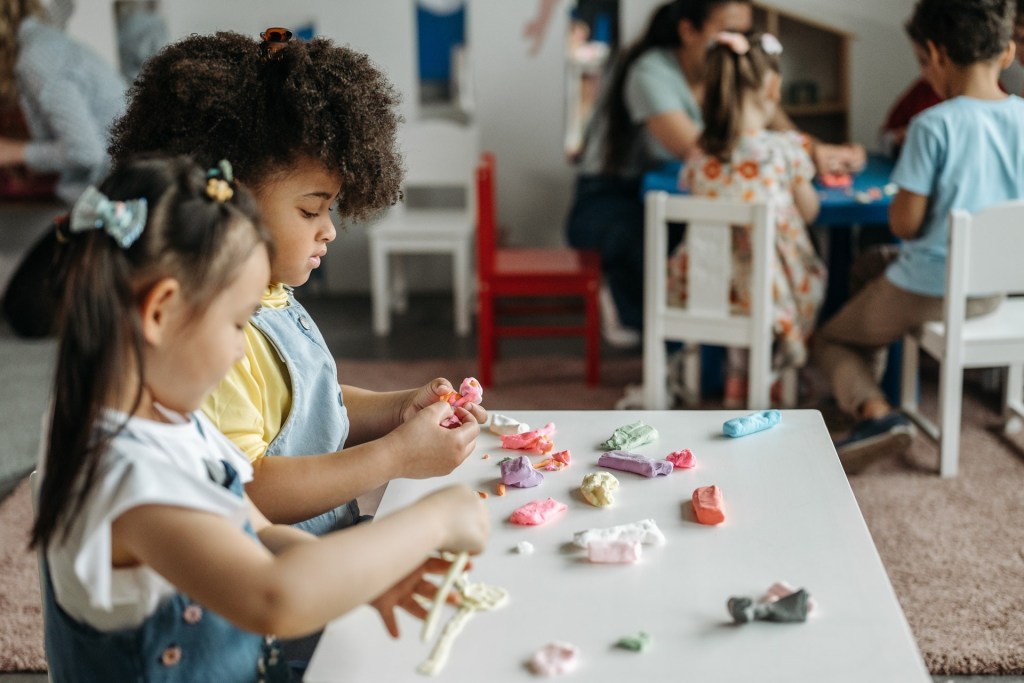
Play-based Learning: A Holistic Approach to Education
Introduction:
In recent years, there has been a growing interest in alternative approaches to education. One such approach that has gained significant attention is play-based learning. Play-based learning takes a different perspective on education by emphasizing the importance of play in children’s development and learning. This article explores the concept of play-based learning, its benefits, and how it can be implemented in alternative schooling systems.
Understanding Play-Based Learning:
At its core, play-based learning recognizes that children learn best through active engagement with their environment. It encourages children to explore, experiment, and make sense of the world around them through play. Play is not seen as separate from learning but rather as an integral part of the educational process.
Benefits of Play-Based Learning:
1) Cognitive Development:
Play provides opportunities for problem-solving, critical thinking, and creativity. When engaged in imaginative or pretend play scenarios, children develop language skills as they communicate roles and ideas with their peers. They also enhance their memory and concentration abilities by creating narratives and remembering rules associated with various games.
2) Social-Emotional Development:
Through playing with others, children develop social skills such as cooperation, negotiation, empathy, and conflict resolution. By taking on different roles during pretend play (e.g., doctor-patient), they learn about relationships and emotions while practicing self-regulation.
3) Physical Development:
Play-based activities often involve physical movement which helps develop fine motor skills like hand-eye coordination or gross motor skills like balance and agility. Outdoor free-play allows kids to engage in exercise while exploring nature’s wonders.
4) Creativity & Imagination:
Undirected play fosters creativity by allowing children to use their imagination freely without predefined rules or outcomes imposed upon them. This uninhibited exploration stimulates divergent thinking – the ability to generate multiple solutions to a problem – which is crucial for innovation later in life.
Implementing Play-Based Learning:
1) Environment:
Create a safe and stimulating environment that offers a wide range of materials and resources for children to explore. Incorporate open-ended toys like blocks, art supplies, dress-up costumes, and natural elements like sticks or shells.
2) Facilitator Role:
Teachers in play-based learning environments act as facilitators rather than instructors. They observe children’s play, ask open-ended questions to stimulate thinking, and encourage dialogue among peers. Their role is to support and extend the child’s play experiences while fostering curiosity and inquiry.
3) Integrated Curriculum:
Play-based learning can be integrated into various subjects such as math, science, language arts, and social studies. For example, counting objects during block building or using plants in the garden as an opportunity to learn about biology.
4) Balance with Structured Learning:
While play-based learning forms the foundation of education in alternative schooling systems adopting this approach, it is essential to strike a balance between unstructured free-play time and structured academic activities based on age-appropriate standards.
Challenges & Misconceptions:
One challenge often associated with play-based learning is its perceived lack of structure or rigor compared to more traditional educational methods. However, research suggests that children engaged in meaningful play experiences develop skills that are equally if not more important for their overall development.
Another misconception is that play-based learning only applies to early childhood education. While it holds particular relevance during the early years due to rapid brain development, older students also benefit from incorporating elements of play into their education.
Conclusion:
Play-based learning provides an alternative approach that prioritizes active engagement through play as a means of promoting holistic development across cognitive, social-emotional, and physical domains. By recognizing the inherent value of play in education settings and implementing it effectively within alternative schooling systems using thoughtful planning and facilitation techniques, we can create an engaging environment where children thrive academically while developing vital life skills necessary for success beyond the classroom.
 Alternative Amie
Leave a comment