Montessori Education: Nurturing Independent Learners
In a traditional classroom, students often sit in rows of desks facing the front of the room, while a teacher stands at the blackboard delivering information to be absorbed by passive learners. However, this one-size-fits-all approach may not cater to every child’s unique learning style and needs. This is where Montessori education steps in.
Montessori is an alternative educational approach that emphasizes independence, freedom within limits, and respect for a child’s natural development. Developed by Italian physician and educator Maria Montessori in the early 1900s, this method has gained popularity worldwide due to its focus on holistic development and individualized learning.
One of the key principles of Montessori education is fostering independence. In a Montessori classroom, you will find children actively engaged in their own learning journey rather than being passively taught by teachers. The environment is carefully designed to encourage self-directed exploration and hands-on learning experiences.
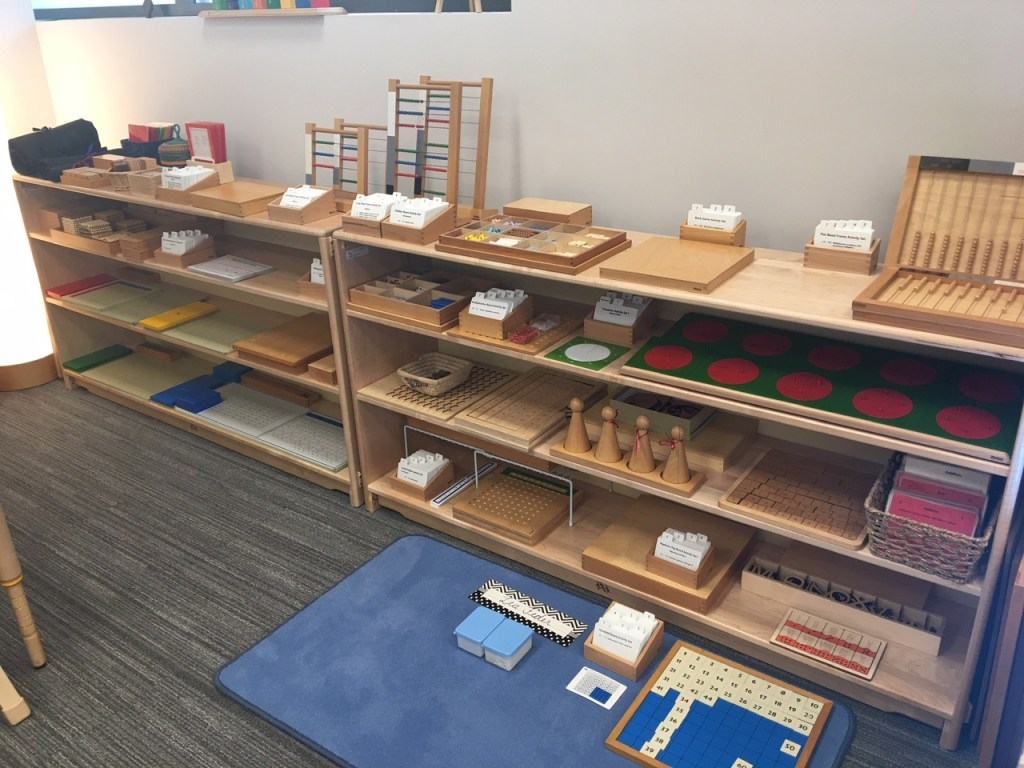
Classrooms are typically equipped with a variety of materials called “Montessori materials” that are specially designed to promote independent thinking and problem-solving skills. These materials are arranged on low shelves accessible to children so they can choose what interests them most at any given time. Whether it’s working with puzzles, counting beads or sorting objects based on different attributes – these activities allow children to develop cognitive skills at their own pace.
In addition to encouraging independence, another fundamental aspect of Montessori education is providing freedom within limits. Children have the freedom to choose their work but must also understand that there are boundaries and responsibilities associated with their choices. They learn how to make decisions independently while respecting others’ rights and considering the consequences of their actions.
The role of a Montessori teacher differs significantly from that of traditional educators as well. Rather than solely acting as instructors who impart knowledge, Montessori teachers take on more supportive roles as guides or facilitators. They observe the children closely, identifying their interests, strengths, and areas for improvement. Based on these observations, teachers can provide individualized guidance and intervention when necessary.
Another notable aspect of Montessori education is mixed-age classrooms. Instead of segregating students based on their chronological age, Montessori classrooms often have a range of ages within a three-year span. This multi-age setup enables younger children to learn from older peers while providing older students an opportunity to reinforce their knowledge by teaching others. The collaborative environment fosters a sense of community and encourages cooperative learning rather than competition.
Montessori education also recognizes that learning happens beyond the traditional classroom setting. Outdoor environments play a vital role in supporting a child’s development. Nature exploration helps develop observation skills, physical coordination, and an appreciation for the natural world. In many Montessori schools, outdoor spaces are designed with gardens or nature trails where children can explore freely while connecting with nature.
While traditional education often emphasizes grades and test scores as measures of success, Montessori focuses on nurturing the whole child – intellectually, emotionally, socially, and physically. By valuing each child’s unique abilities and interests, Montessori education aims to create well-rounded individuals who are not only academically competent but also compassionate members of society.
Critics argue that without standardized testing or strict curriculum guidelines in place like those found in traditional schools; some important foundational knowledge might be missed in favor of self-directed exploration alone. However, proponents believe that by fostering curiosity and love for learning at an early age through hands-on experiences tailored to individual needs – children will naturally develop strong foundational skills alongside critical thinking abilities.
In conclusion, Montessori education provides an alternative approach to conventional schooling by promoting independence within limits through self-directed exploration and hands-on learning experiences using specially designed materials. It values the uniqueness of each child’s development journey while encouraging collaboration in mixed-age classrooms and incorporating outdoor learning opportunities. By focusing on holistic development, Montessori education aims to nurture independent learners who are well-prepared for future success in both academic and personal pursuits.
 Alternative Amie
Leave a comment