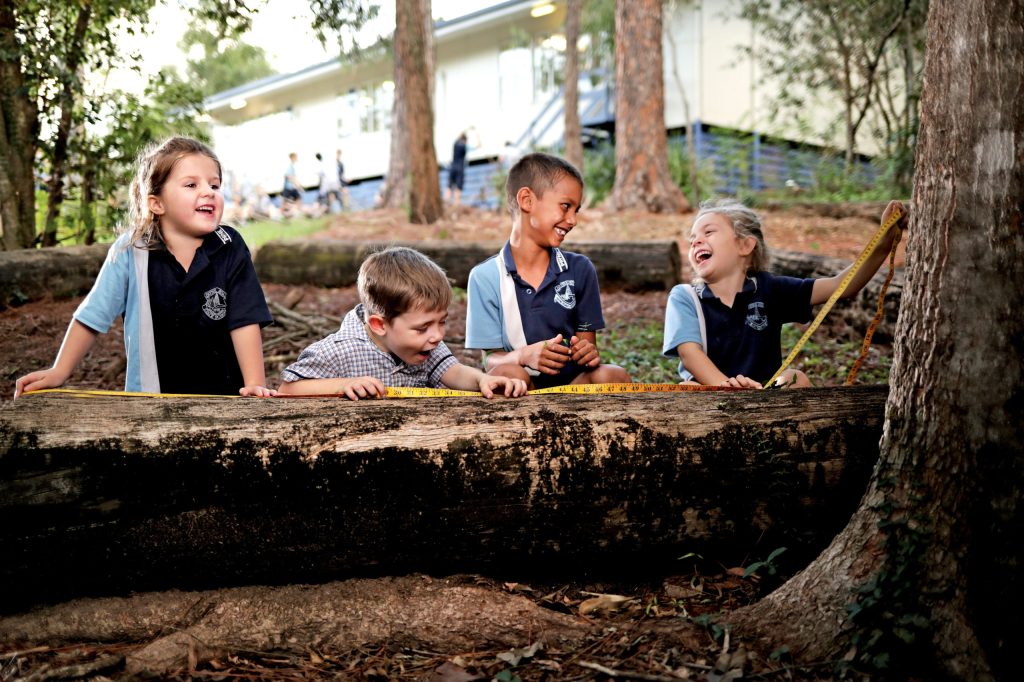
Outdoor Education: An Inspiring Pathway to Learning
In today’s digital age, where screens dominate our lives and virtual experiences are becoming the norm, it is more important than ever to connect with nature. Outdoor education offers a refreshing approach to learning that not only nurtures physical health but also enhances cognitive abilities and social skills. By stepping outside of traditional classrooms and immersing students in the natural world, this alternative form of education provides countless opportunities for personal growth and transformation.
One of the key benefits of outdoor education is its ability to foster a sense of wonder and curiosity in learners. Being surrounded by the beauty of nature stimulates their imagination and encourages them to explore various aspects of their surroundings. Whether they are identifying different plant species or observing animal behavior, these hands-on experiences cultivate an appreciation for biodiversity and environmental conservation.
Furthermore, outdoor education promotes holistic development by challenging students both mentally and physically. Outdoor activities such as hiking, rock climbing, or canoeing require problem-solving skills, teamwork, resilience, and adaptability – qualities that cannot be learned solely within four walls. These real-life challenges encourage students to push their limits while instilling a sense of self-confidence that can be carried into other areas of life.
In addition to academic subjects like mathematics or biology being taught outdoors through practical applications, outdoor education also emphasizes experiential learning. This approach allows students to directly engage with the lessons being taught rather than simply memorizing facts from textbooks. For example, instead of reading about photosynthesis in a classroom setting, students might have the opportunity to witness it firsthand by planting seeds or observing plants growing in their natural habitat.
Moreover, outdoor education facilitates emotional intelligence development through enhanced social interaction among peers. Students learn how to communicate effectively while engaging in group activities or solving problems together during camping trips or team-building exercises. Such experiences nurture empathy towards others’ perspectives and promote conflict resolution skills – vital traits for building strong relationships throughout life.
Lastly, outdoor education promotes a sense of stewardship and responsibility towards the environment. Students develop an understanding of their role in preserving natural resources and become advocates for sustainable practices. By actively engaging with nature, they gain a deeper appreciation for the planet’s fragility and are more likely to make environmentally conscious choices in their everyday lives.
In conclusion, outdoor education offers an inspiring pathway to learning that transcends traditional classrooms. By immersing students in nature, this alternative form of education provides invaluable opportunities for personal growth, cognitive development, and social skills enhancement. It nurtures curiosity, resilience, problem-solving abilities while fostering empathy towards others and environmental stewardship. So let us embrace the call of the wild and embark on this transformative journey through outdoor education!
 Alternative Amie
Leave a comment