Sensory Processing Differences: Understanding and Supporting Students in Alternative Education Settings
Introduction:
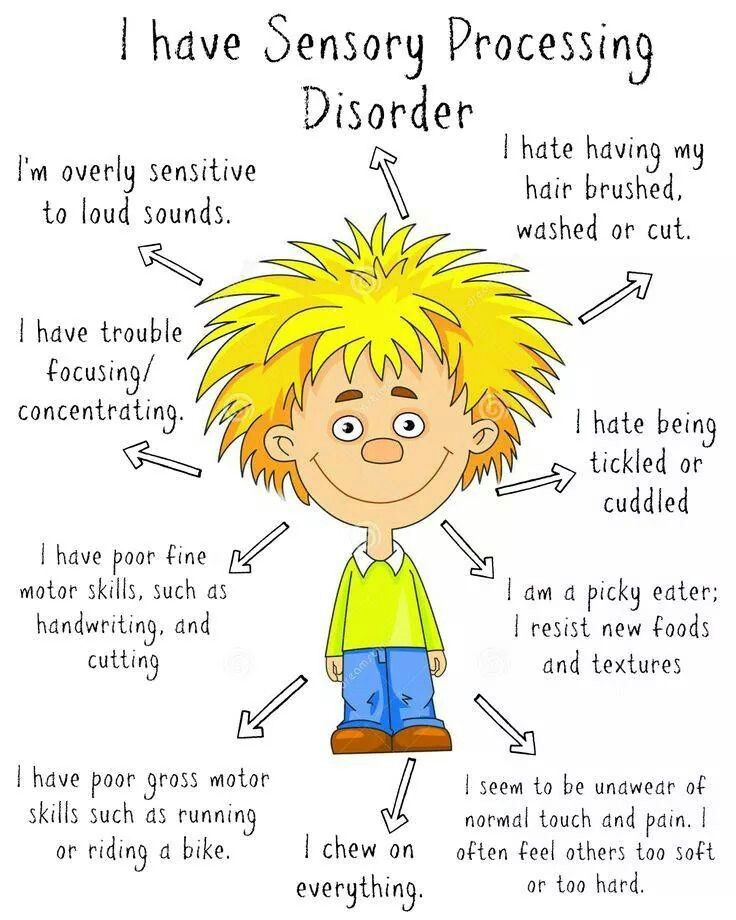
In alternative schooling and education, it is crucial to recognize and understand the diverse needs of students. One area that requires special attention is sensory processing differences. Sensory processing refers to how our brains receive, interpret, and respond to sensory information from the environment. While most individuals seamlessly process these inputs, some may experience challenges in this area.
For students with sensory processing differences, everyday experiences can become overwhelming or intensely stimulating. This can impact their ability to focus, engage in learning activities, interact socially, and regulate emotions effectively. As educators and caretakers in alternative education settings, it is essential that we create an inclusive environment that supports these students’ unique needs.
Understanding Sensory Processing Differences:
To effectively support students with sensory processing differences, we must first gain a deeper understanding of how their experiences differ from those without such differences.
1. Sensory Overresponsivity:
Some individuals are hypersensitive or overresponsive to certain sensory stimuli. For example, they may find loud noises unbearable or feel discomfort when touched lightly. In a classroom setting filled with various sounds (e.g., chatter), visual distractions (e.g., bright lights), and tactile sensations (e.g., scratchy materials), these individuals may struggle to filter out irrelevant stimuli.
2. Sensory Underresponsivity:
On the other hand, some individuals may be hyposensitive or underresponsive to certain stimuli. They might seek intense input by engaging in repetitive behaviors like rocking or spinning themselves repeatedly during class time as a means of self-regulation.
3 .Sensory Seeking:
Students who exhibit sensory seeking behavior actively seek out additional stimulation by engaging in activities such as touching objects excessively or constantly moving around the classroom.
Creating an Inclusive Environment:
Now that we have a better understanding of sensory processing differences let’s explore techniques for creating an inclusive environment that supports all students’ needs.
1. Sensory-Friendly Classroom Design:
Consider the layout and design of your classroom. Minimize clutter, reduce background noise, and use adjustable lighting options to create a calm environment that caters to various sensory needs. Flexible seating options such as bean bags or floor cushions can also provide students with choices for comfort.
2. Visual Supports:
Visual supports are valuable tools for students with sensory processing differences. Use visual schedules, charts, and timers to help them understand expectations and transitions throughout the day. Visual cues can also aid in minimizing anxiety by providing predictability and structure.
3. Sensory Breaks:
Allowing regular breaks or incorporating sensory play areas into the classroom can be beneficial for students who require additional sensory input or regulation time. These areas might include items like weighted blankets, fidget toys, stress balls, or quiet spaces where students can retreat when feeling overwhelmed.
4. Individualized Sensory Diets:
Developing individualized sensory diets is an effective way to support students’ unique needs in alternative education settings. A “sensory diet” refers to a personalized plan that incorporates specific activities or strategies aimed at meeting a student’s sensory needs throughout their day at school.
5 .Collaboration with Occupational Therapists:
Occupational therapists specialize in addressing sensory processing differences and developing strategies to enhance daily functioning skills of individuals across various environments- including schools! Collaborating with occupational therapists within alternative education settings allows educators to access expert guidance on supporting students effectively.
Educating Peers:
In addition to creating an inclusive environment through environmental modifications and individualized plans, it is equally important to educate peers about sensory processing differences. Encouraging empathy and understanding among fellow classmates helps build a supportive community within the alternative education setting.
1 .Classroom Discussions:
Engage all students in discussions about diversity and inclusion within the classroom context specifically regarding different learning styles including those related to sensory processing differences.
2 .Sensitization Activities:
Hold sensitization activities where students can experience simulated sensory processing differences. This might include wearing earplugs or goggles that simulate hypersensitivity, helping students develop empathy and understanding.
3 .Peer Support Programs:
Establish peer support programs within the classroom to foster relationships between students. Pairing a student with sensory processing differences with a supportive peer can create a safe space for the former to express their needs and seek assistance when required.
Conclusion:
In alternative education settings, it is essential to understand and address the unique needs of students with sensory processing differences. By creating an inclusive environment through modifications, individualized plans, and educating peers, we empower these students to thrive academically and socially. Remember, adapting our approach to cater to diverse learning styles is not only beneficial for those directly impacted but also enriches the overall educational experience for all students involved.
 Alternative Amie
Leave a comment