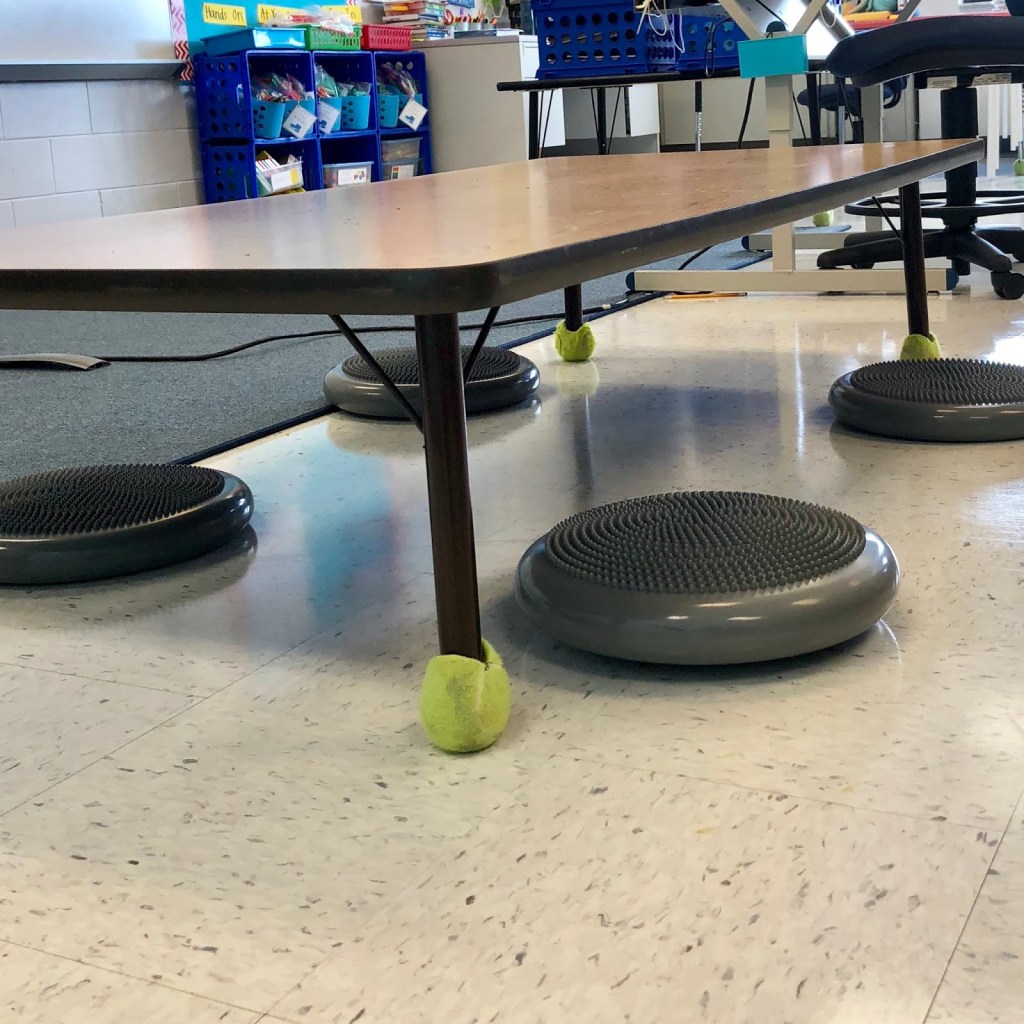
Flexible Seating and Student Choice in Learning
In the traditional classroom setting, rows of desks facing towards the front of the room have long been the norm. However, educators are now recognizing that this setup may not be conducive to optimal learning for all students. As a result, many schools are embracing flexible seating arrangements and student choice in learning as innovative approaches to creating a more engaging and effective learning environment.
Flexible seating refers to an arrangement where students have various options for seating within the classroom. Instead of being confined to rigid desks, they can choose from different types of furniture such as bean bags, exercise balls, standing tables, cushions or floor mats. This allows them to find a comfortable spot that suits their individual needs and preferences. The aim is to create an environment that promotes active learning by giving students control over their physical space.
One of the key benefits of flexible seating is its promotion of student autonomy and ownership over their learning experience. By allowing students to choose where they sit, they feel empowered and responsible for their own education. This sense of agency contributes greatly to increased engagement levels and motivation in the classroom.
Furthermore, flexible seating accommodates different learning styles and preferences among students. Some learners may thrive when seated at traditional desks while others might prefer sitting on cushions or even lying down on mats. By providing a variety of options, teachers can cater to these diverse needs without forcing everyone into one standardized mode of learning.
Another advantage is improved collaboration amongst peers. Traditional desk setups often hinder communication between students as they face forward towards the teacher rather than each other. Flexible seating arrangements encourage teamwork by allowing easy movement and interaction between classmates during group activities or discussions.
Moreover, research suggests that movement stimulates brain activity which enhances cognitive function and retention abilities among learners; this makes it easier for them to absorb information and apply it effectively. With flexible seating options such as exercise balls or standing tables available in classrooms, students can engage in gentle movements that help them stay focused and alert.
While some may argue that flexible seating creates a chaotic environment, proponents believe that it teaches students important life skills such as self-regulation and responsibility. Students learn to manage their own behavior in order to make the most of their chosen seating arrangement. This cultivates a sense of accountability towards themselves and their peers.
Implementing flexible seating requires careful planning and consideration from educators. Firstly, teachers need to assess the physical space available in the classroom and determine how it can be best utilized for different types of furniture. They also need to establish clear guidelines on how students should choose and change seats, ensuring fairness and respect for others’ choices.
Teachers must communicate expectations regarding appropriate behavior during independent work time, group activities, or when transitioning between different seating options. Ground rules might include respecting personal space, using furniture appropriately, or maintaining an atmosphere conducive to learning.
It is crucial for educators to provide ongoing support and guidance throughout the transition process towards flexible seating arrangements. They can involve students in decision-making by seeking their input on what type of furniture they would like to have or by allowing them to participate in setting up the classroom environment.
Flexible seating not only benefits students but also challenges teachers to adopt more student-centered instructional practices. As classrooms become less rigidly structured around teacher-led instruction, educators are encouraged to incorporate more active learning strategies into their lessons. This shift encourages greater collaboration among colleagues as they exchange ideas on effective teaching techniques related to flexible seating environments.
In conclusion, flexible seating and student choice in learning offer numerous advantages over traditional desk setups in classrooms. By providing various options for seating arrangements, schools promote autonomy among learners while accommodating diverse needs and preferences. The incorporation of movement through flexible seating stimulates brain activity leading to improved retention abilities among students. Additionally, this approach fosters collaboration amongst peers which enhances teamwork skills required later on in life. While implementing flexible seating requires planning and structure from educators, its potential benefits for students’ engagement, motivation, and overall learning experience make it a worthwhile endeavor in alternative schooling and education.
 Alternative Amie
Leave a comment