Restorative Justice Practices in Education: The New Frontier of Alternative Schooling
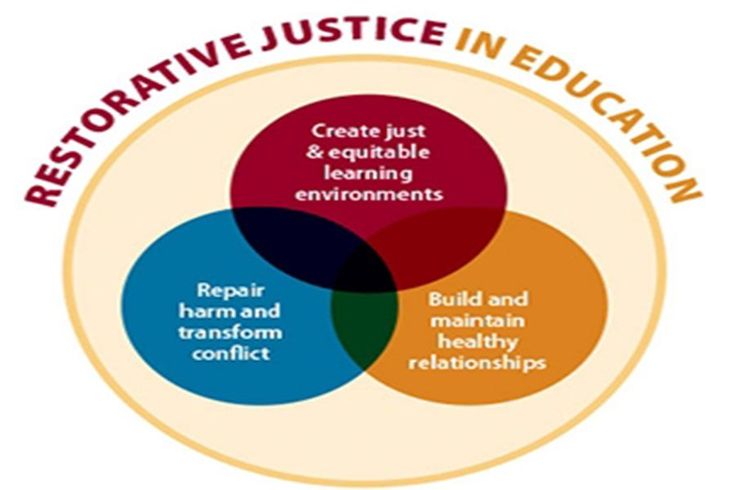
Education has come a long way over the years. Gone are the days when students were simply punished for their wrongdoings without any consideration for their personal growth and development. Enter restorative justice practices, a new frontier of alternative schooling that focuses on repairing harm and building relationships within the school community.
Restorative justice is all about creating a safe and inclusive learning environment where everyone feels valued and heard. It aims to address conflicts, disciplinary issues, and misconduct by bringing together those affected – students, teachers, administrators, and even parents – to engage in open dialogue. By encouraging empathy, accountability, and understanding through this process, restorative justice practices empower individuals to take ownership of their actions while fostering a sense of community.
One of the most significant aspects of restorative justice practices is its emphasis on moving away from punitive measures towards more constructive resolutions. Traditional disciplinary methods often involved suspensions or expulsions which further isolate students from the educational environment they need to thrive. Restorative justice seeks to break this cycle by providing opportunities for reconciliation instead.
When an incident occurs within a school setting that requires intervention, restorative circles are often employed as an effective tool for resolution. These circles bring together all parties involved in a non-confrontational manner where each person gets an opportunity to express themselves openly without judgment. This approach allows everyone affected by the issue at hand to gain insight into different perspectives while promoting mutual understanding.
The power dynamics between educators and students also undergo transformation with restorative justice practices. Instead of teachers being seen solely as authority figures handing out punishments without explanation or recourse, they become facilitators guiding discussions towards positive outcomes. Students feel valued as active participants who have a voice in shaping their own educational experience rather than passive recipients of discipline.
Restorative conferences are another powerful component of this approach that involves various stakeholders coming together after an incident has occurred. The goal is to collectively determine how best to repair the harm caused and prevent future occurrences. These conferences provide an opportunity for students to learn from their mistakes, make amends, and reintegrate back into the community with a newfound sense of responsibility.
Restorative justice practices also prioritize prevention by focusing on building strong relationships within the school community. By fostering open lines of communication, trust, and respect between all members – students, teachers, administrators – potential conflicts can be addressed before they escalate into major issues. This proactive approach not only reduces disciplinary incidents but also creates a positive and supportive learning environment that nurtures personal growth.
Another benefit of restorative justice practices is their potential for reducing recidivism rates among students who have been involved in disciplinary actions previously. By addressing underlying causes and providing necessary support systems such as counseling or mentorship programs, restorative justice helps break the cycle of negative behavior patterns that may have plagued these individuals in the past.
However, like any new approach to education, implementing restorative justice practices does come with its challenges. It requires a shift in mindset from both educators and students alike who may be accustomed to traditional disciplinary methods. Training and ongoing support are essential for successful adoption as it necessitates creating a culture where empathy, active listening skills, conflict resolution techniques become embedded in everyday interactions.
Critics argue that restorative justice practices are too lenient or soft on discipline when compared to more traditional punitive measures. However, advocates believe that promoting accountability through dialogue rather than punishment fosters long-term behavioral change while preserving dignity for all parties involved.
Restorative justice practices hold great promise as we continue to reimagine education in a holistic manner that prioritizes personal growth alongside academic achievement. By embracing this new frontier of alternative schooling, we can create inclusive communities where each individual has the opportunity to learn from their mistakes while being supported towards becoming responsible citizens capable of thriving beyond the classroom walls.
 Alternative Amie
Leave a comment