Forest Schools: Embracing Nature for Holistic Education
In recent years, there has been a growing trend in alternative education that seeks to reconnect children with the natural world. Forest schools, also known as outdoor classrooms or nature-based learning environments, have gained popularity for their ability to foster holistic development and provide hands-on experiences that traditional classroom settings often lack.
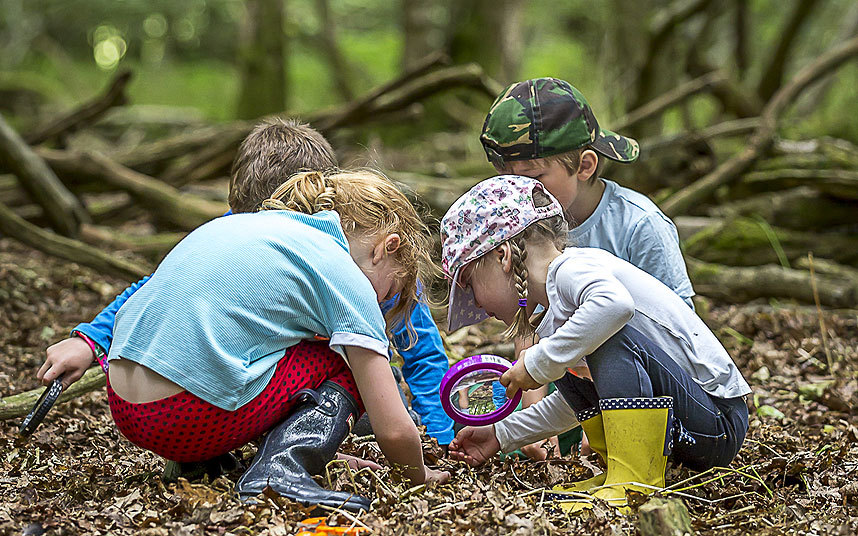
At forest schools, children spend their days immersed in nature, exploring forests, meadows, and streams. These schools prioritize experiential learning and aim to cultivate a deep connection between students and the environment. By encouraging curiosity and exploration in natural settings, forest schools offer a unique approach to education that enhances cognitive abilities while promoting physical health and emotional well-being.
One of the main benefits of forest schools is the opportunity they provide for children to engage in unstructured play. In these open-ended environments filled with trees, rocks, and wildlife, students are free to use their imagination and creativity without constraints. They learn problem-solving skills as they navigate through rough terrains or build forts from fallen branches. This type of unstructured play fosters resilience and adaptability – qualities essential for success in an ever-changing world.
Additionally, forest schools promote ecological literacy by teaching children about sustainable agriculture practices through hands-on experiences. Many of these programs incorporate urban gardening initiatives within school campuses where students can grow their own fruits, vegetables, or herbs. Through tending gardens and observing plant life cycles firsthand, young learners gain an understanding of the importance of sustainable food production methods while developing empathy towards living organisms.
Furthermore, farm-to-table programs integrated into forest school curricula emphasize the significance of responsible consumption by connecting students with local farmers or food producers. By participating in activities such as visiting farms or farmer’s markets and preparing meals using locally sourced ingredients at school kitchens or cooking classes held outdoors amidst nature’s backdrop; these programs promote awareness regarding food systems’ impact on both human health and environmental sustainability.
Community gardens are also becoming increasingly popular in educational settings. These green spaces provide students with an opportunity to engage with their local communities and foster a sense of belonging. In community gardens, students learn the value of collaboration as they work together to plant, tend, and harvest produce while simultaneously developing a connection with nature.
Not only does outdoor education benefit students individually, but it also has broader implications for society as a whole. By incorporating ecological literacy into school curricula, children are equipped with the knowledge needed to become responsible stewards of the environment. They learn about marine biology through programs that explore coastal ecosystems or visit aquariums where they can observe marine life up close. Wildlife conservation initiatives introduce them to endangered species and teach them the importance of protecting biodiversity.
Geography lessons take on new meaning when taught through travel programs that allow students to experience different cultures firsthand. Through these experiences, children gain a global perspective and develop skills such as adaptability and cultural sensitivity – attributes necessary for fostering peace and understanding in an interconnected world.
Moreover, environmental justice education plays a crucial role in shaping socially conscious citizens who understand the significance of equity and inclusivity in environmental decision-making processes. By integrating indigenous knowledge into curriculum content, schools honor traditional wisdom while empowering indigenous communities whose sustainable practices have long been undervalued or ignored.
Climate change education is another vital component of alternative schooling that prepares future generations to tackle one of humanity’s greatest challenges. Students acquire scientific knowledge regarding climate systems while also learning about personal actions they can take to reduce their carbon footprint.
Watershed studies help students understand how water flows across landscapes, promoting awareness about water conservation efforts within local communities. Geology lessons delve into earth sciences by exploring topics such as volcanoes and earthquakes – phenomena that shape our planet’s physical features.
Mapping skills development allows young learners not only to navigate their surroundings but also fosters spatial awareness crucial for multiple disciplines – from urban planning to emergency response management. Biomes and ecosystems exploration reveals the interconnectedness of various species and habitats, highlighting the importance of maintaining balance in natural systems.
Geography education extends beyond borders as it nurtures global citizenship. Cultural diversity appreciation through geography lessons teaches respect for different traditions, customs, and ways of life. Studies on human migration patterns provide insights into historical events while fostering empathy towards individuals displaced by conflict or environmental factors.
Landforms and natural features studies offer students a chance to marvel at nature’s grandeur – from majestic mountains to serene rivers and breathtaking coastlines. Oceanography and marine ecosystems studies expose learners to the wonders hidden beneath the waves, instilling a sense of wonderment that often inspires future generations to pursue careers in marine biology or ocean conservation.
In conclusion, forest schools and alternative education initiatives play a pivotal role in nurturing well-rounded individuals who are environmentally conscious, socially aware, and equipped with skills needed for success in an ever-evolving world. By embracing nature as an integral part of education, these programs promote holistic development while fostering a deep connection between students and their surroundings. Through hands-on experiences spanning various disciplines such as agriculture, geology, astronomy, or cultural studies; children become active participants in shaping a sustainable future for themselves and generations to come.
 Alternative Amie
Leave a comment