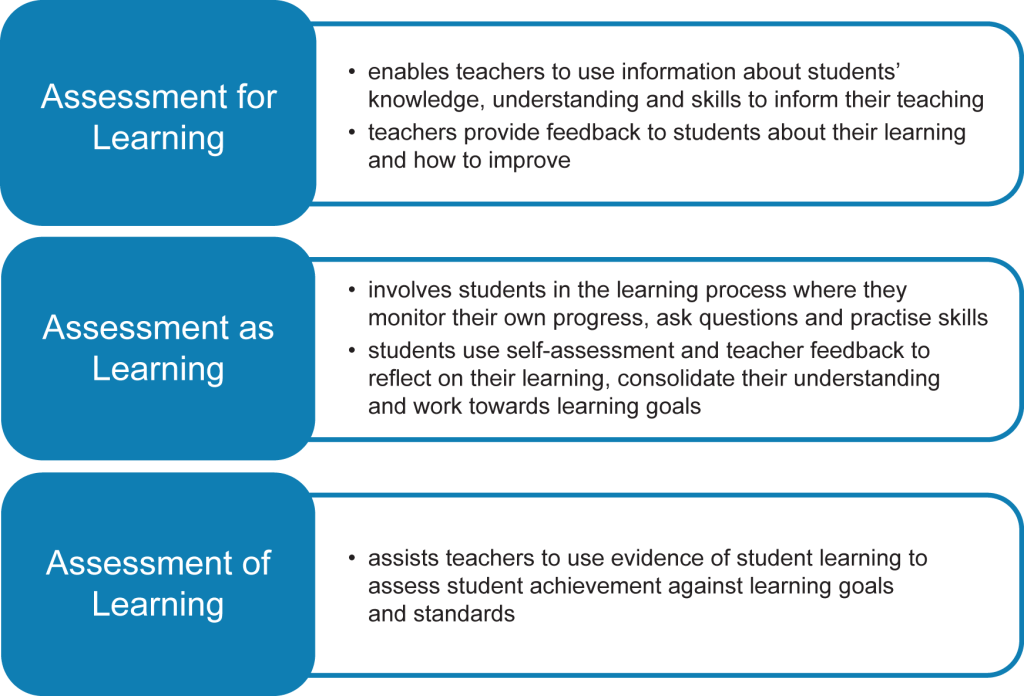
As a student, I have always found summative assessments to be an intriguing aspect of my education. Unlike formative assessments, which are ongoing and provide feedback to improve learning, summative assessments are designed to evaluate what has been learned at the end of a unit or course. These assessments come in various forms such as exams, projects, presentations, or essays. Throughout my years in alternative schooling and education, summative assessments have played a crucial role in measuring my understanding and growth.
One of the strengths of summative assessment is its ability to gauge overall comprehension and mastery of a subject. By focusing on what has been taught during a specific period, these assessments provide students with an opportunity to showcase their knowledge and skills acquired over time. This not only helps educators assess individual performance but also provides students with a sense of accomplishment for their hard work.
Furthermore, summative assessment encourages critical thinking and problem-solving skills by presenting complex scenarios that require application of knowledge rather than mere regurgitation of facts. It pushes students beyond memorization into higher-order thinking skills like analysis, evaluation, and synthesis. Through this process, individuals develop the capacity to think critically about information presented before them and apply it in practical situations – an essential skill for success later in life.
Another advantage I’ve discovered through summative assessment is its ability to offer closure on a topic or unit. As learners progress through different subjects or courses throughout the school year, having definitive endpoints allows for reflection on one’s accomplishments as well as areas that need improvement for future endeavors. By evaluating our own performance through self-assessment alongside teacher evaluation during these final evaluations, we can gain insights into our strengths and weaknesses while identifying areas where additional support may be necessary.
Moreover, summative assessment serves as an important tool for tracking student progress over time within alternative schooling systems where traditional grading may not be prevalent. Instead of relying solely on grades given at regular intervals throughout the year (as seen in traditional schools), summative assessments provide a comprehensive overview of a student’s growth and achievements. This holistic approach allows educators, parents, and students themselves to better understand the progress made throughout the learning journey.
However, it is important to note that summative assessment should not solely define a student’s capabilities or academic worth. It is just one piece of the puzzle when evaluating an individual’s overall understanding and performance. Alternative schooling systems often prioritize holistic development by considering factors beyond test scores or final projects, such as creativity, collaboration skills, and personal growth.
In conclusion, summative assessments have proven to be an integral part of my alternative schooling experience. They serve as essential tools for evaluating comprehension, promoting critical thinking skills, providing closure on subjects or units, tracking progress over time, and offering insights into individual strengths and areas for improvement. While they play a significant role in determining academic achievement within alternative education systems, it is crucial to remember that they are only part of the broader picture when assessing a student’s abilities and potential.
 Alternative Amie
Leave a comment