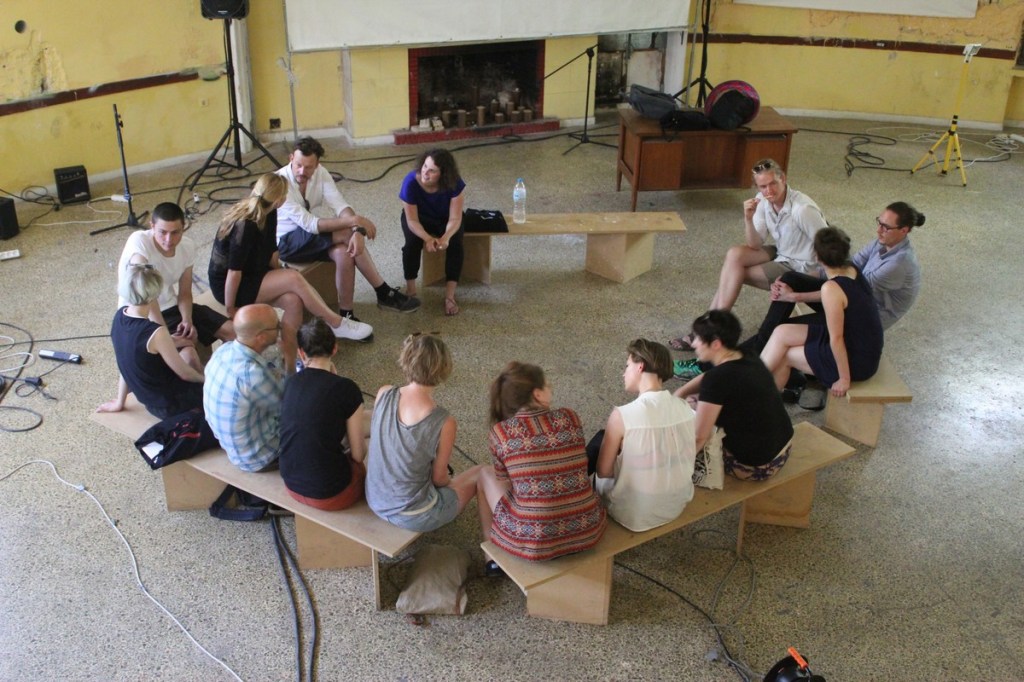
Interview with Rivers: Exploring Alternative Schooling and Education
Today, we have the pleasure of speaking with Rivers, an advocate for alternative schooling and education. With a wealth of knowledge and experience in this field, Rivers is here to share insights on the benefits of alternative approaches to learning.
Q: Can you start by explaining what alternative schooling and education means?
Rivers: Of course! Alternative schooling refers to educational methods that differ from traditional models. These alternatives often prioritize individualized learning experiences, creativity, critical thinking, and holistic development. They can take various forms such as homeschooling, unschooling, Montessori schools, or democratic schools.
Q: What inspired you to explore alternative schooling?
Rivers: I’ve always been passionate about creating an inclusive and empowering educational environment for all learners. Traditional schooling can sometimes stifle creativity and force students into a one-size-fits-all approach. I believe that every child deserves an education tailored to their unique interests and abilities.
Q: How do alternative approaches benefit students?
Rivers: One key advantage is personalized learning. In alternative settings, educators have the flexibility to adapt teaching methods to suit each student’s needs. This promotes deeper engagement with the material and allows children to learn at their own pace.
Another benefit is fostering critical thinking skills. Alternative approaches encourage students to ask questions rather than simply memorize facts. By nurturing curiosity and independent thought, these methods cultivate lifelong learners who can think critically about complex issues.
Furthermore, social-emotional development is prioritized in many alternative schools. Students are given opportunities for self-expression, collaboration with peers on meaningful projects, conflict resolution practice,and decision-making within a democratic framework.These experiences build empathy,resilience,and social skills that will serve them well throughout life.
Q: Are there any challenges associated with alternative schooling?
Rivers: Like any model of education,it has its challenges.While some people worry about potential gaps in academic instruction or the perceived lack of structure, alternative approaches often provide a rich and diverse learning experience. However, it is crucial for parents and educators to be well-informed and dedicated to ensuring students receive a comprehensive education that meets standard requirements.
Q: How can parents or guardians support alternative schooling?
Rivers: Firstly, it’s important to research various alternatives and find an approach that aligns with the child’s needs and values. Parents can also join local homeschooling or alternative education groups to connect with other families who share similar educational goals. Additionally, fostering open communication between teachers, students, and families is vital for success in any educational setting.
Q: What advice do you have for educators interested in implementing alternative methods into their classrooms?
Rivers: Start small by incorporating elements of alternative pedagogy such as project-based learning or student-led discussions. Seek professional development opportunities focused on alternative teaching methods. Engage with like-minded educators through conferences or online communities to learn from one another’s experiences. Remember, change takes time – be patient but persistent.
In conclusion, Rivers has shed light on the benefits of alternative schooling and education models. By prioritizing personalized learning experiences, critical thinking skills,and social-emotional development, these approaches empower students to become lifelong learners capable of navigating an ever-changing world. Whether as parents supporting their children’s education at home or as educators seeking innovative practices within traditional classrooms – embracing alternatives can lead us towards a more inclusive and effective educational system overall
 Alternative Amie
Leave a comment