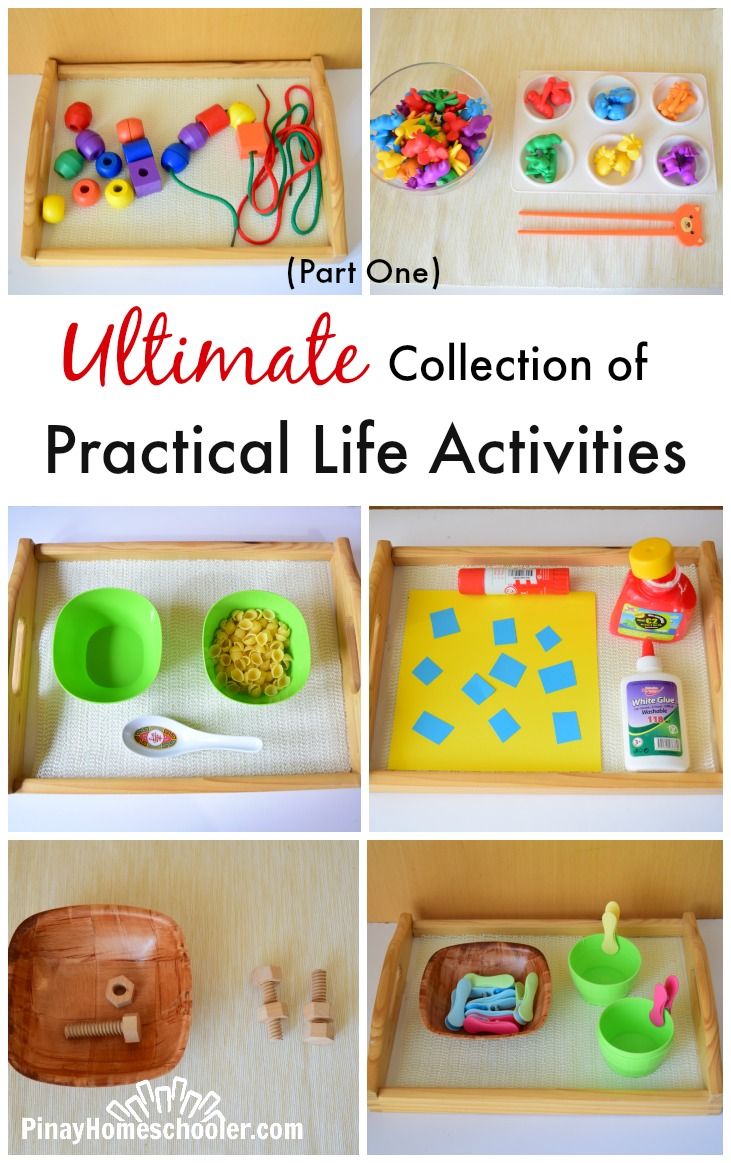
Practical life activities are an essential part of alternative schooling and education. These activities not only teach children important life skills but also promote independence, concentration, and a sense of responsibility. In today’s fast-paced world, it is crucial to equip children with practical skills that will help them navigate through daily tasks and build a strong foundation for their future.
One of the most basic practical life activities is teaching children how to take care of themselves. This includes tasks like dressing themselves, brushing their teeth, and washing their hands. By encouraging these simple self-care routines from an early age, we empower children to become more independent and develop healthy habits.
Cooking is another valuable activity that can be incorporated into alternative schooling programs. Teaching kids how to prepare meals not only instills a sense of accomplishment but also promotes healthy eating habits. Children can learn about nutrition, follow recipes, measure ingredients accurately, and even experiment with different flavors and cooking techniques.
Gardening is yet another practical life activity that offers numerous benefits for children’s development. It teaches them patience as they watch plants grow from seeds into flourishing vegetables or flowers. Gardening also fosters environmental awareness and responsibility by teaching kids about sustainability and the importance of taking care of nature.
Money management is a critical skill that should be introduced early on in alternative education settings. Encouraging children to handle money responsibly by setting up savings accounts or running small businesses helps them understand the value of money, budgeting, goal setting, and financial planning.
Incorporating practical life activities into alternative schooling allows children to engage in hands-on learning experiences while developing essential skills for everyday living. These activities promote self-reliance, problem-solving abilities, creativity, social interaction, and emotional intelligence – qualities that are necessary for success in both personal and professional lives.
By offering opportunities for real-life application alongside traditional academic subjects at alternative schools or homeschooling environments ensure holistic development where students thrive academically as well as in practical and life skills.
 Alternative Amie
Leave a comment