Differentiated Instruction: A Pathway to Success in Alternative Education
In the realm of education, one size does not fit all. Every student possesses unique strengths, weaknesses, and learning styles that require a personalized approach to teaching and learning. This realization has led many educators to embrace differentiated instruction as an effective method for meeting the diverse needs of students in alternative schooling settings.
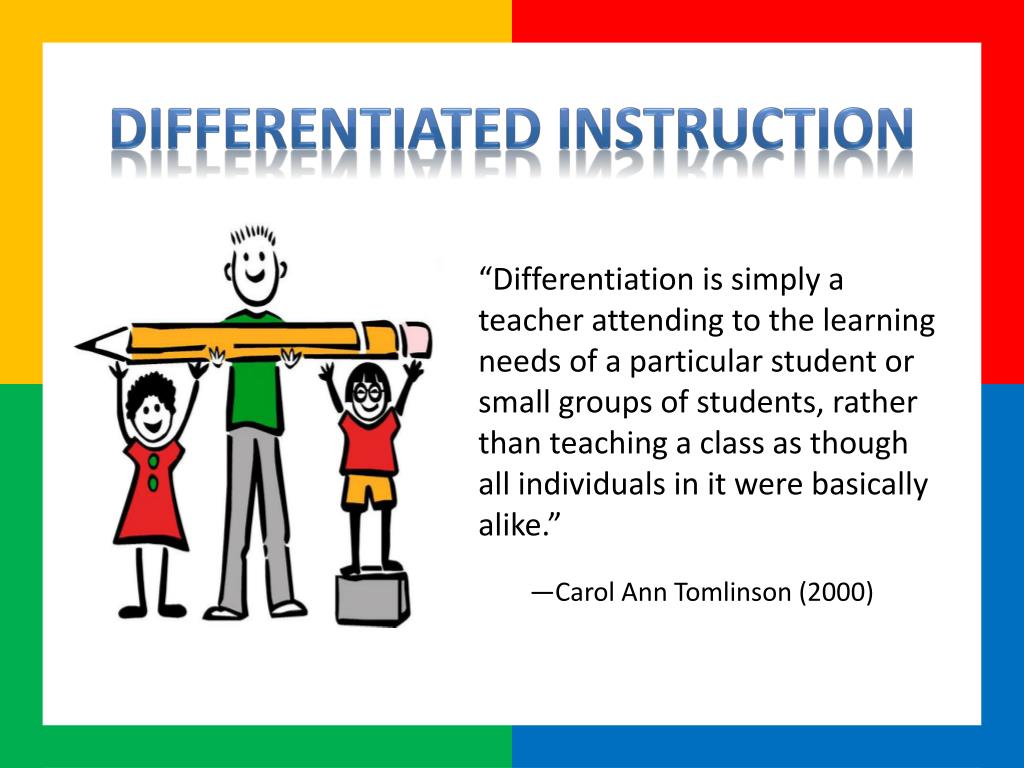
At its core, differentiated instruction is an instructional approach that tailors teaching methods, content, and assessments to meet the individual needs of each student. Rather than expecting all students to learn at the same pace or through a standardized curriculum, differentiated instruction recognizes that learners progress at different rates and have varied interests and abilities.
One of the primary benefits of differentiated instruction is its ability to address diverse learning styles effectively. Students come from various backgrounds with distinct preferences for how they process information – some may be visual learners who excel when presented with diagrams or graphs; others may be kinesthetic learners who grasp concepts best through hands-on activities. By incorporating multiple instructional strategies into their lessons, teachers can ensure that every student has an opportunity to engage with material in a way that resonates with them personally.
Moreover, differentiated instruction promotes inclusivity by accommodating students’ varying readiness levels. In traditional classrooms, where all students are expected to learn identical material simultaneously, some individuals may struggle while others feel bored or unchallenged. Differentiated instruction addresses this issue by providing appropriately leveled content based on each student’s prior knowledge and skills. For instance, advanced learners can delve deeper into a topic or explore related extensions while their peers work on building foundational understanding.
Another significant advantage of utilizing differentiation in alternative education is its impact on student motivation. When students feel respected as individuals with unique talents and challenges rather than just another face in the crowd, they are more likely to stay engaged and invest themselves fully in their learning journey. By tailoring assignments according to individual interests or allowing students choices within certain parameters, educators can foster a sense of ownership and relevance, thereby enhancing student motivation and enthusiasm.
Differentiated instruction also encourages collaboration among students. Through cooperative learning activities or group projects that leverage each individual’s strengths, students learn to appreciate diverse perspectives and develop valuable teamwork skills. This collaborative approach mirrors the real-world work environment where individuals with differing abilities come together to achieve shared goals.
Despite its numerous advantages, differentiated instruction does present some challenges for educators. Implementing this approach requires careful planning and organization to ensure that all students’ needs are met adequately. Teachers must create a variety of instructional materials, design flexible assessments, and manage individual or small-group activities simultaneously. Additionally, it may be challenging for teachers to strike the right balance between providing necessary support for struggling learners while challenging advanced ones.
In conclusion, differentiated instruction is an invaluable tool in alternative education settings as it recognizes the uniqueness of every student and tailors teaching methods accordingly. By accommodating different learning styles, readiness levels, interests, and abilities through personalized approaches to instruction and assessment, educators promote inclusivity, enhance motivation, encourage collaboration among students from diverse backgrounds. While implementing differentiated instruction presents certain challenges for teachers in terms of planning and differentiation management; its benefits far outweigh these difficulties by creating an engaging learning environment that fosters success for all learners in alternative schooling contexts.
 Alternative Amie
Leave a comment