Waldorf Education: Nurturing the Whole Child
In a world where standardized testing and academic achievement often take center stage, Waldorf education offers an alternative approach that focuses on nurturing the whole child. Developed by Rudolf Steiner in the early 20th century, this educational philosophy aims to cultivate intellectual, artistic, and practical skills while fostering social and emotional growth.
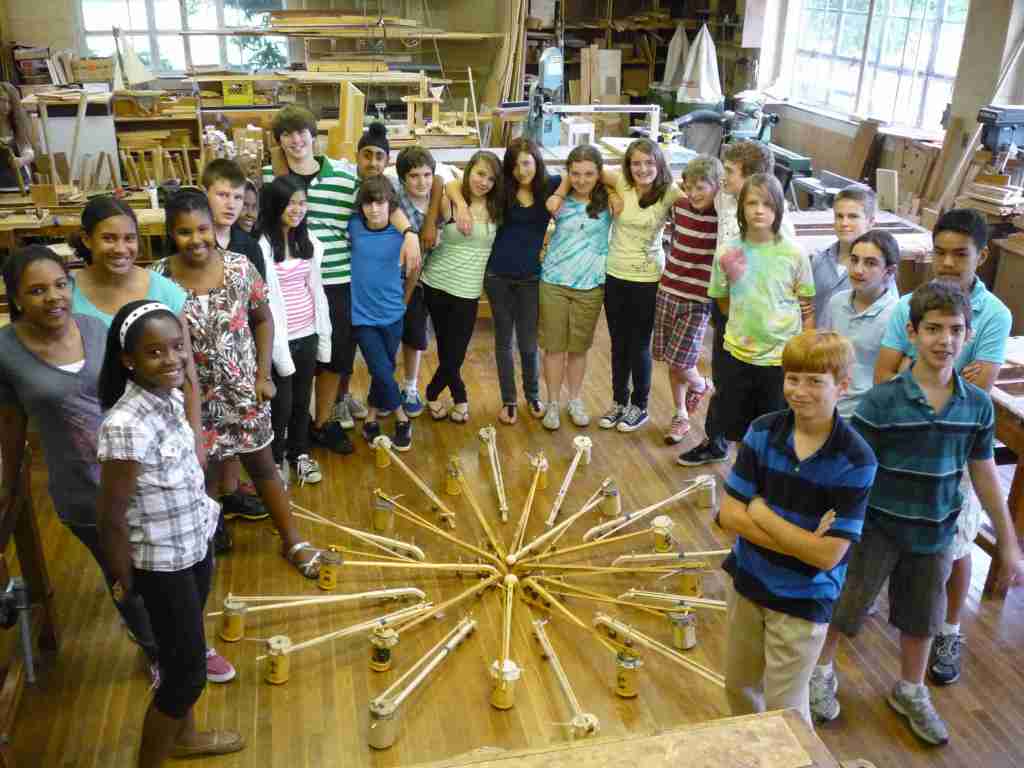
At the heart of Waldorf education is the belief that children learn best through hands-on experiences and creative exploration. Play-based learning is emphasized in early childhood, allowing young learners to engage in imaginative play and develop their social skills. As they progress through grade school, students are encouraged to pursue a broad range of subjects including music, theater, painting, gardening, and woodworking.
One distinctive feature of Waldorf education is its holistic curriculum. Academic subjects are interwoven with artistic activities to create a balanced learning experience. For example, math lessons may incorporate movement or rhythm exercises to enhance understanding and engagement. This integration of arts not only ignites creativity but also supports cognitive development.
Another key principle of Waldorf education is its commitment to age-appropriate learning. The curriculum is designed to align with each stage of a child’s development – from sensory exploration in early childhood to critical thinking in adolescence. By recognizing these developmental milestones, teachers can tailor their instruction accordingly.
Additionally, technology plays a minimal role within the Waldorf classroom setting. Instead of relying on screens for information or entertainment, students rely on traditional tools like pencils and paper. The goal is to foster imagination and independent thinking without undue reliance on external devices.
Critics argue that this lack of emphasis on technology puts children at a disadvantage in today’s digital age; however advocates believe it allows children more time for hands-on experiences which stimulate creativity and problem-solving abilities.
Waldorf schools also promote community building as an essential component of education. Teachers strive to create inclusive classrooms where cooperation rather than competition thrives. This cooperative environment extends to parents as well, who are encouraged to actively participate in their child’s education through volunteer work or school events.
In conclusion, Waldorf Education offers a holistic and creative approach to schooling. By nurturing the whole child – intellectually, artistically, and emotionally – it seeks to develop well-rounded individuals equipped with a strong sense of self and an appreciation for the world around them. While it may not adhere to traditional educational models, its focus on hands-on learning, arts integration, age-appropriate instruction, limited technology use, and community building make it an attractive alternative for families seeking a different educational experience for their children.
 Alternative Amie
Leave a comment