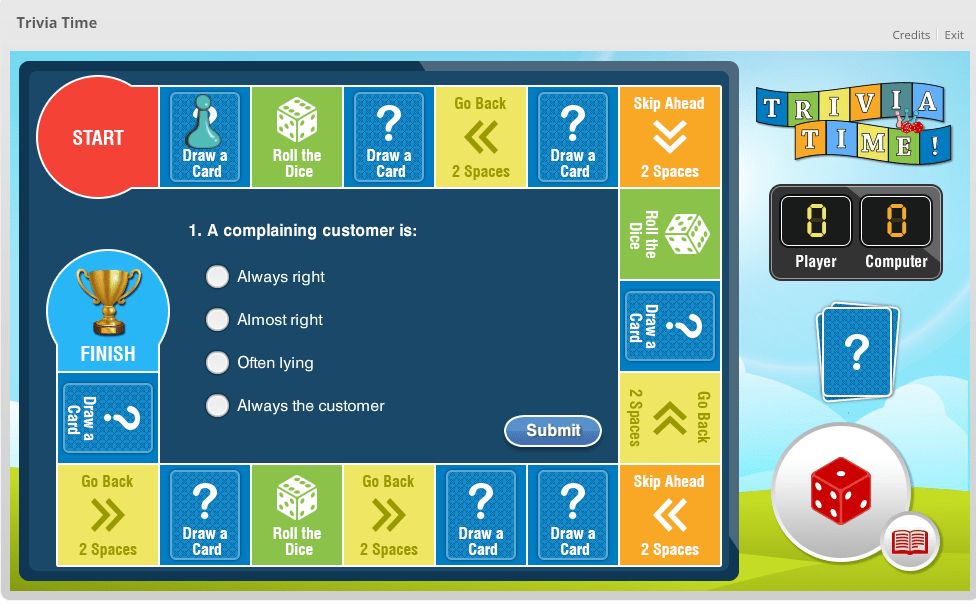
Gamification in Online Learning
One of the most effective ways to engage students in online learning is through gamification. Gamification involves incorporating game elements and mechanics into educational activities, making them more interactive and enjoyable for learners. By adding elements such as points, badges, leaderboards, and levels, teachers can create a sense of competition and achievement that motivates students to actively participate in their coursework.
Gamification not only enhances student engagement but also promotes critical thinking skills, problem-solving abilities, and collaboration among peers. Through the use of game-based scenarios and simulations, students can apply their knowledge in practical situations and learn from their mistakes without any real-world consequences. This hands-on approach encourages active learning and helps students retain information more effectively.
Personalized Learning Platforms
In traditional classrooms, teachers often struggle to meet the diverse needs of every student. However, with personalized learning platforms available in online education settings, educators can tailor instruction to individual student needs. These platforms utilize adaptive technology that analyzes each student’s progress and provides personalized recommendations for further study or intervention.
Personalized learning platforms enable students to work at their own pace while receiving immediate feedback on their performance. They provide targeted resources based on individual strengths and weaknesses, allowing students to focus on specific areas that require improvement. Moreover, these platforms make it easier for educators to track student progress accurately and identify areas where additional support may be needed.
Online Learning for Students with Special Needs
Online learning has proven to be particularly beneficial for students with special needs who may face challenges accessing traditional brick-and-mortar schools. Virtual classrooms offer a flexible environment that accommodates various disabilities or conditions by providing accessible materials like captioned videos or text-to-speech options.
Moreover, online education allows these students to work at their own pace without feeling overwhelmed by external pressures or distractions commonly present in physical classrooms. Teachers can customize curriculum content according to an individual’s requirements while using assistive technologies like screen readers or alternative input devices to ensure accessibility.
Virtual Reality in Alternative Education
The integration of virtual reality (VR) technology into alternative education has opened up a world of possibilities for immersive learning experiences. VR can transport students to different environments, eras, or scenarios that would otherwise be difficult or impossible to access. By simulating real-world situations, VR enhances student engagement and fosters deeper understanding of complex concepts.
For example, history students can virtually visit famous landmarks or experience historical events firsthand. Science students can explore the inner workings of cells or conduct virtual experiments without any safety concerns. The possibilities are endless, as VR allows for experiential learning that goes beyond textbooks and lectures.
Project-Based Learning in Online Environments
Project-based learning (PBL) is an effective pedagogical approach that promotes active exploration and deep understanding of subject matter. Online environments provide ample opportunities for PBL by allowing students to collaborate on projects remotely and engage with real-world issues.
PBL encourages critical thinking skills, problem-solving abilities, and teamwork among students. By working on meaningful projects related to their interests or communities, learners develop essential 21st-century skills such as communication, creativity, and collaboration. Additionally, online platforms enable easy sharing and presentation of project outcomes with peers and teachers.
Social-Emotional Learning in Virtual Classrooms
While academic achievement is vital in education, fostering social-emotional skills is equally important for overall student development. Virtual classrooms offer unique opportunities to promote social-emotional learning (SEL), which focuses on building self-awareness, empathy, responsible decision-making, relationship-building skills, and more.
Through online discussions forums or video conferences with classmates from diverse backgrounds ,students can enhance their interpersonal skills while developing cultural competency. Teachers can also incorporate SEL activities like mindfulness exercises or conflict resolution simulations into their virtual lessons to support emotional well-being.
Blended Learning Models for Alternative Schooling
Blended learning combines traditional face-to-face instruction with online learning components, allowing for a more flexible and personalized educational experience. In alternative schooling settings, where students often have unique needs or circumstances, blended learning models offer the flexibility to accommodate individual schedules while maintaining valuable in-person interactions.
Blended learning allows teachers to provide direct instruction in physical classrooms while utilizing online resources and platforms for independent study, practice exercises, or collaborative projects. This hybrid approach combines the benefits of both traditional and online education methods, ensuring that students receive a well-rounded learning experience.
Peer-to-Peer Collaboration in Online Education
Collaboration is a crucial skill for success in the modern workplace. Online education provides opportunities for peer-to-peer collaboration through various digital tools and platforms like discussion boards, wikis, and shared documents.
By working together on assignments or projects virtually, students learn how to communicate effectively, negotiate ideas, resolve conflicts constructively and appreciate diverse perspectives. Peer feedback can also enhance critical thinking skills as students analyze their own work or provide suggestions to improve others’ work.
Online Learning for Adult Learners in Alternative Education Settings
Alternative education programs are not limited to K-12 students; many adults also seek non-traditional paths of education. Online learning offers flexible options for adult learners who may have work or family commitments but still want to pursue further education or career advancement.
Adult learners can access online courses at their convenience from anywhere with an internet connection. They can engage with materials at their own pace without being constrained by rigid schedules. Moreover,countless online degree programs cater specifically to adult learners seeking professional development opportunities tailored to their interests and goals.
Mobile Learning and Its Impact on Alternative Schooling
The widespread use of smartphones and tablets has revolutionized how we access information and interact with digital content. Mobile devices have become powerful tools that facilitate anytime-anywhere learning experiences.
Mobile learning enables alternative schooling programs to reach underserved populations who may lack access to traditional computers but possess mobile devices capable of accessing educational resources.. Additionally, mobile apps and platforms offer a wide range of interactive learning materials, including educational games, video lessons, and collaborative tools that enhance student engagement.
Open Educational Resources (OER) for Alternative Education Programs
Open educational resources (OER) are freely accessible digital materials used for teaching, learning, or research. OER can include textbooks, videos, lesson plans, or entire courses made available under an open license. These resources provide alternative education programs with cost-effective options while ensuring access to high-quality educational content.
Teachers in alternative schooling settings can curate OER to supplement their existing curriculum or even create their own resources to share with others. The flexibility and adaptability of OER allow educators to customize material according to individual student needs while promoting collaboration among peers.
Online Tutoring and Mentoring for At-Risk Students
At-risk students often face barriers that hinder their academic success. Online tutoring and mentoring programs have emerged as effective interventions by providing additional support tailored to individual needs.
Virtual tutoring allows students to receive one-on-one assistance from qualified tutors who can address specific challenges they may be facing. Similarly,mentoring programs connect at-risk students with mentors who provide guidance,career advice,and emotional support through online communication channels.. These virtual interactions help foster positive relationships between mentors and mentees while promoting academic growth and personal development.
Digital Literacy Skills Development in Online Learning Environments
In today’s digital age,digital literacy is crucial for success in various aspects of life.Digital literacy encompasses skills such as information search,research,critical evaluation of online sources,data management,and proper use of technology tools.Online learning environments naturally lend themselves to developing these important skills .
Through online assignments,research projects ,or collaborative activities involving digital tools.students gain proficiency in using various technologies effectively.They learn how to navigate the internet safely,distinguish reliable sources from misinformation,and communicate responsibly.Equipping students with these skills prepares them for the demands of the modern information-driven world.
Culturally Responsive Teaching in Virtual Classrooms
Culturally responsive teaching acknowledges and values the diverse backgrounds and experiences of students. In virtual classrooms,teachers can create inclusive learning environments that celebrate diversity by incorporating culturally relevant materials and perspectives into their curriculum.
By providing examples,case studies ,or literature from different cultures or ethnicities,teachers ensure that all students feel represented and included.They foster an environment where learners can share their unique perspectives and engage in meaningful discussions with peers.Furthermore,culturally responsive teaching helps break down barriers between cultures while promoting empathy,respect,and understanding among students.
Assessment Strategies for Online Alternative Education Programs
Effective assessment is essential to measure student progress and guide instructional decisions.Online alternative education programs require suitable assessment strategies to evaluate student learning effectively.
Traditional assessments like quizzes or exams can be adapted for online formats through various digital tools.Multiple-choice questions,simulations,virtual labs,or project-based assignments are just a few examples of assessment methods used in online settings.Teachers can also leverage real-time data generated by online platforms to gain insights into individual student performance.These flexible options allow educators to assess student understanding comprehensively while adapting instruction based on specific needs identified through the data collected.
Building Community and Fostering Engagement in Virtual Schools
Building a sense of community is crucial for creating a supportive educational environment.In virtual schools,where physical interactions are limited,it becomes even more important to foster engagement among students, teachers,and parents.
Virtual schools can use various strategies such as icebreaker activities,discussion forums,collaborative projects ,and live video conferences to establish connections among participants.Technology allows for creative ways to build relationships,such as virtual field trips or online talent shows.Encouraging regular communication,reinforcing positive behavior,and recognizing achievements contribute significantly to fostering a strong sense of belonging within the virtual school community.
Online Internships and Work-Based Experiences
Internships provide valuable real-world experiences that bridge the gap between classroom learning and practical application. Online internships and work-based experiences allow students to gain industry-specific skills and knowledge while working remotely.
Virtual internships can include tasks such as research, data analysis, content creation, or project management. Students collaborate with professionals in their field of interest through online communication channels and receive feedback on their work. By participating in virtual work-based experiences, students develop transferable skills, build professional networks,and gain exposure to future career opportunities.
Equity and Access Issues in Online Alternative Education
While online alternative education presents numerous advantages,it is essential to address equity and access issues that may arise due to technological limitations or socioeconomic disparities.
Ensuring equal access to devices,internet connectivity,and digital resources for all students is crucial for mitigating inequities.Teachers can adopt strategies like asynchronous learning options ,offline materials,closed captioning ,or translated versions of instructional content to accommodate diverse needs.Educators must strive towards equitable educational opportunities by providing necessary support systems for marginalized communities or underserved populations.
Professional Development Opportunities for Teachers in Virtual Schools
Teachers play a vital role in shaping the success of virtual schools.Providing ongoing professional development opportunities ensures that educators stay updated with the latest pedagogical approaches,virtual tools,and effective teaching strategies specific to online environments.
Professional development programs can cover topics such as online facilitation techniques,digital literacy instruction,social-emotional support strategies,virtual assessment methods,cultural competency training,and more.Virtual conferences,webinars ,and collaborative platforms offer valuable resources where teachers can share best practices,gain insights from experts,and engage in peer-to-peer learning.Through continuous professional growth ,teachers become better equipped to meet the unique challenges of virtual schooling effectively.
Parent Involvement and Support in Online Learning Environments
Parent involvement is vital for student success,in both traditional and online settings.In virtual classrooms,parental engagement takes on different forms,but it remains equally critical .
Virtual schools can facilitate parent-teacher communication through various channels,such as email,video conferences,or dedicated online platforms.Parents can be provided with resources to support their child’s learning at home or participate in virtual workshops on relevant topics.Educators must establish strong partnerships with parents,keeping them informed about their child’s progress and involving them in the educational process.This collaboration enhances student outcomes and strengthens the overall learning community.
In conclusion, alternative schooling is evolving rapidly due to advancements in technology and changing educational needs. Online education offers numerous innovative approaches that enhance engagement, promote personalized learning, and address diverse student requirements. From gamification and personalized learning platforms to virtual reality experiences and project-based learning, these strategies provide unique opportunities for students to thrive academically while developing essential skills for success. As we continue to navigate alternative education models, it is crucial to prioritize equity of access, professional development for teachers, parental involvement,and fostering a sense of community within virtual classrooms.
 Alternative Amie
Leave a comment