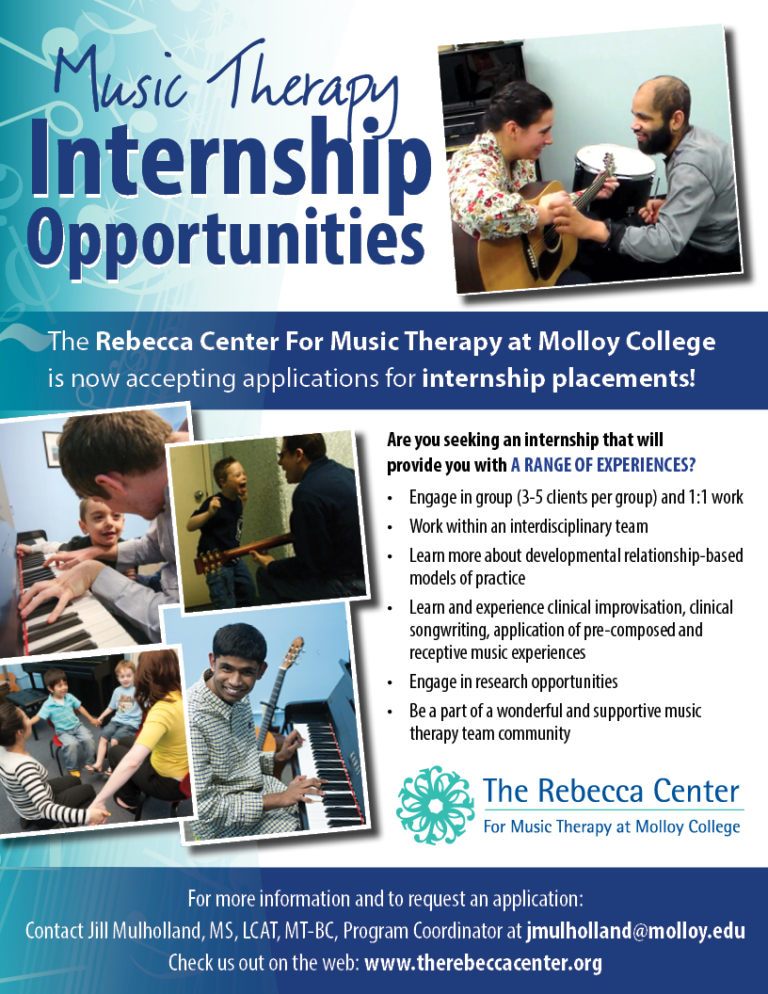
Internship Opportunities: A Gateway to Real-World Experience and Growth
Introduction:
In today’s competitive job market, having a strong educational background is no longer enough to secure a promising career. Employers seek candidates who possess practical skills, hands-on experience, and a deep understanding of their chosen field. This is where internships play a pivotal role. Internships provide students with an invaluable opportunity to bridge the gap between academic knowledge and real-world application. In this article, we will explore the benefits of internships, how they contribute to personal and professional growth, and some alternative schooling options that offer exceptional internship programs.
Benefits of Internships:
1. Practical Application of Knowledge:
One of the primary advantages of internships is the chance for students to apply what they have learned in the classroom to real-life situations. By working alongside professionals in their desired industry, interns gain insights into how theoretical concepts are put into practice. This hands-on experience allows them to develop critical thinking skills while enhancing their problem-solving abilities.
2. Industry Exposure:
Internships expose students to different industries and work environments early on in their academic journey. This exposure helps them make informed decisions about their future careers by providing firsthand experiences within various sectors or specific job roles.
3. Networking Opportunities:
Building connections is crucial for success in any field, and internships serve as an excellent platform for networking. Interns have the chance to interact with professionals who can offer guidance, mentorship opportunities, or even potential employment upon graduation.
4. Resume Booster:
Having internship experience significantly enhances a student’s resume when applying for jobs after graduation. Employers value candidates with practical experience as it demonstrates initiative, adaptability, and a willingness to learn beyond traditional coursework.
5. Skill Development:
Internships allow students to acquire new skills or further refine existing ones relevant to their chosen profession. Whether it’s honing communication skills through client interactions or developing technical expertise using specialized software tools, these experiences provide a competitive edge in the job market.
Alternative Schooling with Internship Programs:
1. Vocational Schools:
Vocational schools are renowned for their emphasis on practical training and internships. These institutions offer specialized programs that equip students with industry-specific skills required for immediate employment upon graduation. By partnering with local businesses and organizations, vocational schools ensure that their students gain hands-on experience through internships tailored to their chosen field.
2. Online Education Platforms:
With the rise of online education, many platforms now integrate internship opportunities into their curriculum. These alternative schooling options allow students to learn at their own pace while also providing access to real-world experiences through remote or virtual internships. This flexibility enables individuals from all walks of life to pursue educational goals without compromising on gaining practical exposure.
3. Co-op Programs:
Cooperative education (co-op) programs combine classroom learning with work experience by alternating periods of academic study with paid internships in related industries or companies. These programs are often offered by universities and colleges as part of degree programs, allowing students to earn academic credits while obtaining valuable work experience.
4. Non-Profit Organizations:
Certain non-profit organizations offer internship opportunities that focus on community service and social impact initiatives. These placements provide interns with unique perspectives on societal challenges while fostering personal growth and a sense of purpose.
Conclusion:
Internship opportunities have become an integral component of modern education systems, bridging the gap between theoretical knowledge and practical application within various industries. The benefits they bring – including skill development, networking prospects, industry exposure, resume enhancement – make them indispensable for students seeking meaningful careers after graduation.
For those considering alternative schooling options, vocational schools, online education platforms offering internships, co-op programs at universities/colleges or non-profit organizations can be excellent choices to gain real-world experience alongside academic studies.
By embracing these internship opportunities during their educational journey, students are better equipped to navigate the competitive job market, make informed career choices, and embark on a path of personal and professional growth.
 Alternative Amie
Leave a comment