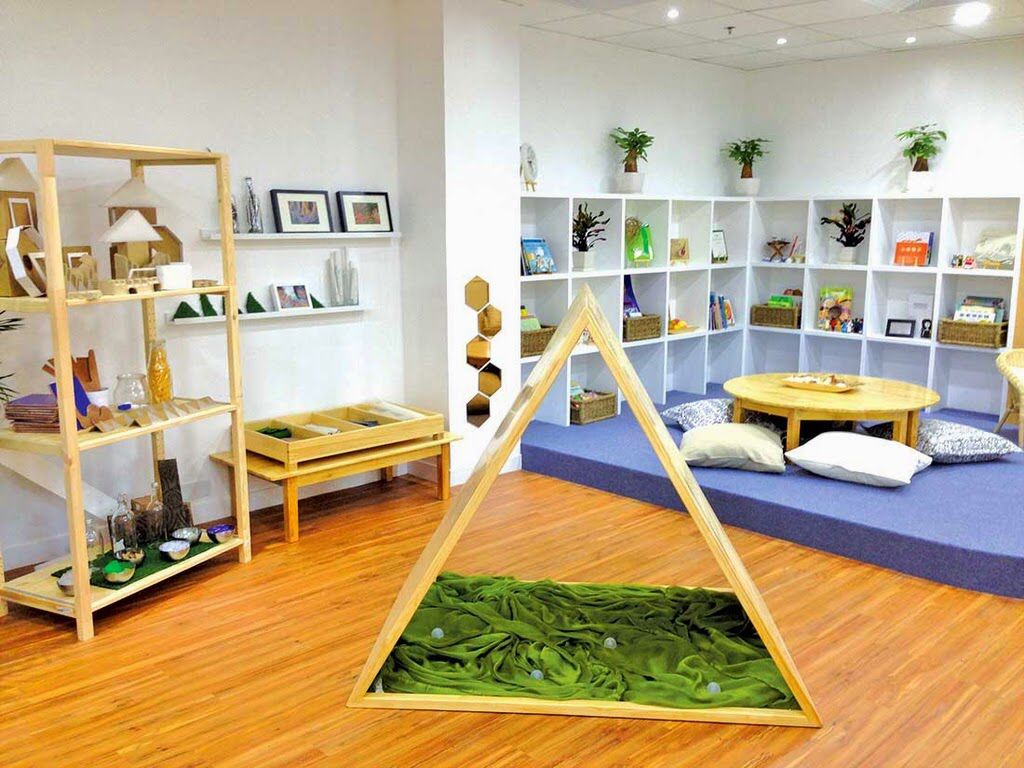
Montessori-inspired hybrid homeschooling is a popular choice among parents who want to provide their children with a balanced education that combines the principles of Montessori philosophy with the flexibility and personalized approach of homeschooling. This approach emphasizes hands-on learning, self-directed exploration, and individualized instruction.
In a Montessori-inspired hybrid homeschooling program, students are encouraged to learn at their own pace and follow their natural curiosity. The curriculum is designed to foster independence, critical thinking skills, and a love for learning. Students have access to a wide range of Montessori materials and activities that promote sensory exploration, practical life skills, mathematics, language development, cultural studies, and much more.
Unschooling in a hybrid homeschooling setting takes an even more child-led approach. Unschoolers believe that children learn best when they are given the freedom to pursue their own interests and passions. In this model, there is no set curriculum or formal lessons. Instead, unschoolers learn through real-life experiences such as trips to museums or libraries or engaging in conversations about topics they find interesting.
Waldorf education also lends itself well to hybrid homeschooling. Waldorf schools emphasize holistic learning that nurtures the physical, emotional, intellectual, and spiritual development of each child. In a Waldorf-inspired hybrid homeschool setting, parents can incorporate elements such as rhythmic daily routines; artistic activities like painting or handwork; nature-based experiences; storytelling; music; movement; and imaginative play into their child’s education.
The Reggio Emilia approach focuses on project-based learning where students explore topics of interest through long-term investigations. It places great importance on collaboration between teachers (or in this case parents) and students as they co-construct knowledge together. In a Reggio Emilia-inspired hybrid homeschool environment,
parents might facilitate projects based on their child’s interests by providing resources,
supportive environments for research,
documentation tools,
and opportunities for reflection and discussion.
Project-based learning (PBL) is a popular method in hybrid homeschooling that encourages students to engage in extended, hands-on projects. PBL allows children to delve deeply into a topic of interest, apply critical thinking skills, collaborate with peers or family members, and present their findings or creations in various ways. The flexibility of hybrid homeschooling allows for seamless integration of project-based learning into the curriculum.
Classical education combined with hybrid homeschooling draws inspiration from the ancient Greeks and Romans. This approach focuses on the trivium: grammar, logic, and rhetoric. Students progress through different stages of learning based on their age and development. In a classical education-inspired hybrid homeschool setting, parents can use classical literature,
primary texts,
Socratic discussions,
memorization exercises,
and other methods to foster critical thinking skills,
analytical reasoning,
and a deep understanding of subjects.
The Charlotte Mason method emphasizes living books, nature study, narration, short lessons, habit training, and an emphasis on character development. In a Charlotte Mason-inspired hybrid homeschool environment,
parents might incorporate nature walks or outdoor exploration
alongside rich literature
and narration exercises.
This approach values the formation of good habits as well as fostering curiosity
through direct contact with real-world experiences.
For families interested in incorporating science, technology, engineering,and math (STEM) into their hybrid homeschool curriculum there are many options available. STEM-focused programs often include hands-on activities like experiments or building projects; inquiry-based learning approaches; integration of technology tools; real-world problem-solving scenarios; collaboration opportunities; and exposure to STEM careers through guest speakers or field trips.
Art and creativity play an integral role in any holistic education program,and this holds true for hybrid homeschooling as well.Artistic activities such as drawing,painting,music,dance,drama,and crafts can be incorporated into daily routines.Parents may also encourage creative expression by providing art supplies,a dedicated art space,and exposing their children to different art forms and artists.
Outdoor and nature-based learning is highly valued in hybrid homeschooling programs. Parents can design lessons that take advantage of the natural world as a classroom, allowing children to develop a deep connection with nature while exploring scientific concepts, engaging in physical activities, and cultivating an appreciation for the environment.
In addition to academic development, social-emotional growth is a vital aspect of education. In a hybrid homeschool setting, parents have the opportunity to create nurturing environments where students can develop emotional intelligence,
interpersonal skills,
self-awareness,
and empathy.
Parents may facilitate social interactions through regular playdates,
joining homeschool co-ops or community groups,
participating in extracurricular activities
or organizing field trips.
Language immersion programs within hybrid homeschooling provide an excellent opportunity for students to become proficient in another language. Parents might use immersion techniques such as speaking only in the target language at home; incorporating cultural elements into daily routines; using language-learning apps or resources specifically designed for young learners; arranging virtual or face-to-face conversations with native speakers; and providing opportunities for immersive experiences like study abroad programs or exchange programs.
Hybrid homeschooling also caters to families who have children with special needs. With individualized attention from parents and access to specialized resources,special needs students can thrive academically,socially,and emotionally.Parents may collaborate with therapists,special educators,or support groups,and adapt teaching strategies based on their child’s unique learning style or abilities.Hybrid homeschooling allows flexibility for personalized accommodations without compromising on essential services required by special needs students.
Cultural diversity and global awareness are increasingly important aspects of education. Hybrid homeschoolers can explore different cultures through books,literature,podcast
s,international pen pals,virtual exchanges,cuisine,festivals,travels,and more.Parents may incorporate global perspectives into lessons across various subjects
Entrepreneurship and business skills are valuable components of education in a hybrid homeschool setting. Parents can encourage entrepreneurial thinking and teach practical business skills by incorporating activities such as starting a small business, creating a budget, developing marketing strategies, understanding supply and demand, or participating in community service projects that require fundraising.
Mindfulness and meditation practices are beneficial for students of all ages. In a hybrid homeschool environment, parents can incorporate mindfulness exercises into daily routines to promote focus, self-regulation, stress reduction,
and emotional well-being. Mindful practices could include deep breathing exercises,
guided meditations,
yoga sessions,
or taking moments of reflection throughout the day.
Music education is often integrated into hybrid homeschool curricula as it enhances cognitive development; fosters creativity; promotes discipline and perseverance; improves coordination; and provides opportunities for expression.Parents might enroll their children in music lessons,take advantage of online resources,such as tutorials or apps,and expose them to various musical genres through concerts or recordings.
Physical education (PE) and sports programs are crucial for the holistic development of children.Enthusiastic parents may design PE curricula that include outdoor games,sports activities,yoga sessions,dance classes,karate lessons,and other physical fitness experiences.Hybrid homeschoolers also have the option to participate in community sports teams,camps,recreational programs,and other extracurricular activities based on their interests.
Technology integration is an essential aspect of modern education.Incorporating technology into hybrid homeschooling allows access to a vast array of educational resources,enables collaboration with peers through virtual platforms,fosters digital literacy skills,and prepares students for future careers that heavily rely on technology.Parents should create guidelines around responsible technology use,set screen time limits,optimize parental controls,and ensure online safety measures are in place.
Homeschool co-ops play an important role within the hybrid homeschooling community.These cooperative groups bring together families who share similar educational philosophies or goals.Co-ops provide opportunities for socialization,collaborative learning,field trips,parent support, and shared teaching responsibilities.Parents may organize regular meetings or events where children can interact with peers and engage in group projects,hands-on activities,and discussions.
In conclusion, hybrid homeschooling offers a wide range of educational approaches and opportunities for families seeking alternative methods of education. Whether it’s Montessori-inspired principles, project-based learning, classical education, or specialized programs such as language immersion or special needs education, hybrid homeschooling allows parents to tailor their child’s education to meet their unique needs and interests. By combining the benefits of home-based instruction with external resources and community involvement through co-ops or extracurricular activities, hybrid homeschoolers can enjoy a well-rounded and enriching educational experience.
 Alternative Amie
Leave a comment