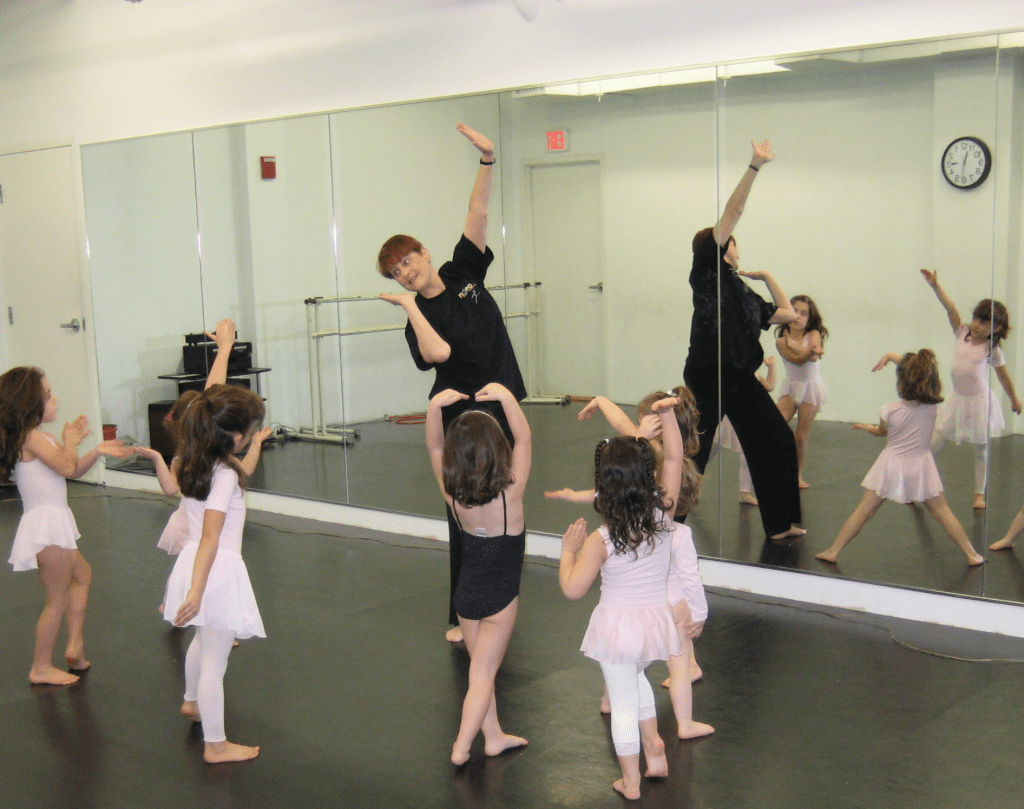
Dance: An Artistic Outlet and Educational Tool
In the realm of alternative schooling and education, dance stands out as a powerful and enriching form of self-expression. Beyond its physical benefits, dance offers numerous educational advantages that contribute to a holistic development in children.
From an early age, movement is crucial for children’s cognitive and motor skills development. Dance enhances these skills by promoting coordination, balance, flexibility, strength, endurance, and spatial awareness. Through structured movements and routines, students learn discipline and focus while improving their physical fitness levels.
Furthermore, dance provides an outlet for emotional expression. By encouraging students to channel their emotions through movement, they develop greater self-awareness and emotional intelligence. Dance allows them to explore different moods and narratives without relying solely on verbal language. This nonverbal communication fosters creativity while nurturing empathy as students learn to interpret the emotions conveyed by others through their movements.
Additionally, dance promotes social interaction among students. In group settings such as ballet or contemporary classes where cooperation is essential, participants learn teamwork while fostering collaboration skills. They communicate with one another nonverbally through cues and gestures during performances or rehearsals—developing trust within the group dynamic.
Moreover, cultural diversity plays a prominent role in dance education as various styles originate from different regions worldwide. Exposing students to diverse forms of dance introduces them to various cultures’ traditions and customs—nurturing curiosity about the world around them. This exposure helps cultivate respect for cultural differences while enhancing global awareness.
Through learning choreography or improvisational techniques in various styles like ballet or hip-hop dancing—aesthetic appreciation emerges naturally among dancers. Students gain knowledge about music genres related to particular dances; this expands their understanding of different musical rhythms from classical compositions to contemporary beats.
In addition to its artistic merits alone; dance also helps improve academic performance among students by boosting memory retention skills required for remembering complex routines or sequences of movements—an aspect that can be applied to other academic subjects as well. Furthermore, dance stimulates the brain’s neuroplasticity, enhancing cognitive functions such as problem-solving and critical thinking.
Alternative schools recognize these numerous benefits of dance education and often incorporate it into their curriculum or extracurricular activities. Dance classes can be offered during physical education periods or after-school programs. In some cases, specialized alternative schools focus on performing arts education where dance takes center stage.
In conclusion, dance serves as an invaluable educational tool in alternative schooling and education. By combining physical exercise with emotional expression, social interaction, cultural exposure, aesthetic appreciation, and cognitive development—it offers a holistic approach to learning. Whether pursued professionally or simply for personal enjoyment; the advantages gained through dance are undeniable—making it an essential addition to any alternative educational program seeking a comprehensive approach to nurturing students’ growth and fostering lifelong skills.
 Alternative Amie
Leave a comment