Alternative Schooling and Education: Exploring Different Approaches to Learning
In today’s rapidly changing educational landscape, traditional schooling methods may not always meet the needs of all learners. As a result, alternative approaches to education have gained popularity. These alternatives aim to provide students with more flexibility, autonomy, and personalized learning experiences. In this article, we will explore various alternative schooling methods that promote self-directed learning and offer unique opportunities for growth and development.
1. Project-based learning (PBL) is an approach that focuses on students actively engaging in real-world projects to develop critical thinking, problem-solving skills, and collaboration abilities.
2. Unschooling allows children to follow their interests and passions without a fixed curriculum or schedule. Learners take charge of their education by pursuing subjects they are passionate about.
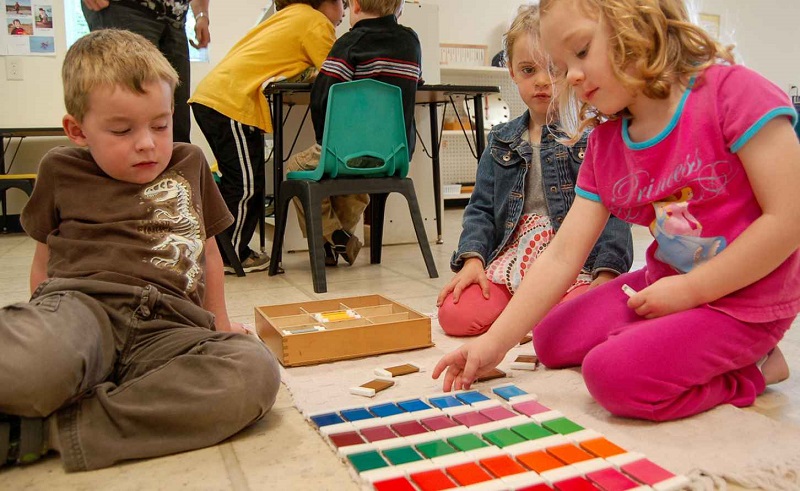
3. The Montessori method emphasizes hands-on learning experiences where students can freely choose activities within a prepared environment while fostering independence, concentration, and creativity.
4. Homeschooling involves parents taking responsibility for their child’s education outside of traditional school settings through various resources such as textbooks, online courses or co-op groups.
5. Self-paced learning enables students to progress at their own speed rather than following a predetermined timeline set by educators or institutions.
6. Experiential learning encourages learners to acquire knowledge through direct experience and reflection upon those experiences in order to gain deeper understanding.
7. Online learning platforms provide access to a wide range of educational resources such as video lectures, interactive exercises, and discussion forums that allow individuals to learn at their own pace from anywhere in the world.
8. Gamification in education incorporates game elements into the learning process like rewards systems or challenges that enhance engagement and motivation among learners.
9.Personalized learning plans involve tailoring instruction based on individual student’s strengths, weaknesses ,and interests allowing them more control over what they learn when they learn it,and how they demonstrate mastery.Such plans can be created in collaboration with teachers,parents,or mentors.
10. Peer-to-peer learning networks create opportunities for students to learn from and teach each other, fostering collaboration, communication, and critical thinking skills.
11. Independent study programs provide learners with the freedom to design their own curriculum and pursue topics of interest under the guidance of a mentor or advisor.
12. Open educational resources (OER) are freely available materials that can be used for self-directed learning such as textbooks, videos, and interactive simulations.
13. Self-assessment and reflection techniques encourage learners to evaluate their own progress and develop metacognitive skills that enhance self-awareness and growth.
14. Mastery-based grading systems focus on student mastery of specific skills or concepts rather than traditional letter grades, allowing learners to progress at their own pace without being limited by arbitrary timelines.
15. Learning through apprenticeships or internships enables students to gain practical experience in a field of interest while working alongside professionals in real-world settings.
16.Community-based education initiatives involve partnerships between schools and local organizations to provide experiential learning opportunities within the community,such as service-learning projects or internships.
17.Self-directed curriculum design empowers learners to take an active role in designing their own educational path by selecting courses,content,and activities aligned with their individual goals
18.Self-motivation strategies help students develop intrinsic motivation through goal-setting,time management,and effective study habits so they can stay focused on their learning journey.
19.Building a growth mindset involves cultivating belief in one’s ability to learn,grow,and overcome challenges.This mindset fosters resilience,persistence,and a love for lifelong learning among self-directed learners
20.Incorporating technology tools allows self-directed learners access online platforms,collaboration tools,virtual reality simulations ,and other digital resources that enhance engagement,inquiry-based exploration,and creativity
21.Balancing structure and freedom creates an environment where there is enough structure to guide students’ learning and provide support,while also allowing for autonomy and self-direction.
22.Developing critical thinking skills is a key aspect of alternative education as it enables learners to analyze information objectively, evaluate evidence,and make informed decisions.
23.Cultivating creativity and innovation encourages students to think outside the box,explore new ideas,and take risks in order to develop innovative solutions to problems they encounter.
24.Nurturing emotional intelligence helps self-directed learners develop self-awareness,empathy,resilience,and effective communication skills that are crucial for success both academically and in life.
25.Integrating nature and outdoor experiences into alternative education provides opportunities for hands-on learning,reconnecting with the natural world,and promoting environmental stewardship.
26.Supporting socialization and collaboration among self-directed learners involves creating spaces where students can interact,share ideas,collaborate on projects,and learn from one another through group work or community activities
27.Promoting lifelong learning habits encourages individuals to develop a passion for continuous learning beyond formal schooling by fostering curiosity,self-reflection,and an appetite for exploration
28.Creating inclusive and diverse spaces ensures that alternative schooling environments are accessible to all learners regardless of their background,culture or abilities. It fosters respect,equity,inclusion ,and celebrates diversity within the educational community
In conclusion, alternative schooling methods offer unique approaches to education that emphasize student autonomy,self-direction,personalization,and real-world application.These methods provide opportunities for students to explore their interests,pursue passions,foster critical thinking skills,nurture emotional intelligence ,and build lifelong habits of curiosity and growth. By embracing these alternatives,the educational landscape becomes more diverse,inclusive,enriching ,and better equipped at preparing individuals for success in the 21st century.
 Alternative Amie
Leave a comment