Individualized Assessments: Unlocking the Potential of Every Student
In traditional education systems, students are often evaluated through standardized tests and exams that measure their knowledge based on a predetermined set of criteria. While these assessments may provide a general overview of a student’s understanding, they often fail to capture the full extent of their capabilities and potential. This is where individualized assessments come in – an innovative approach that tailors evaluation methods to each student’s unique learning style and strengths.
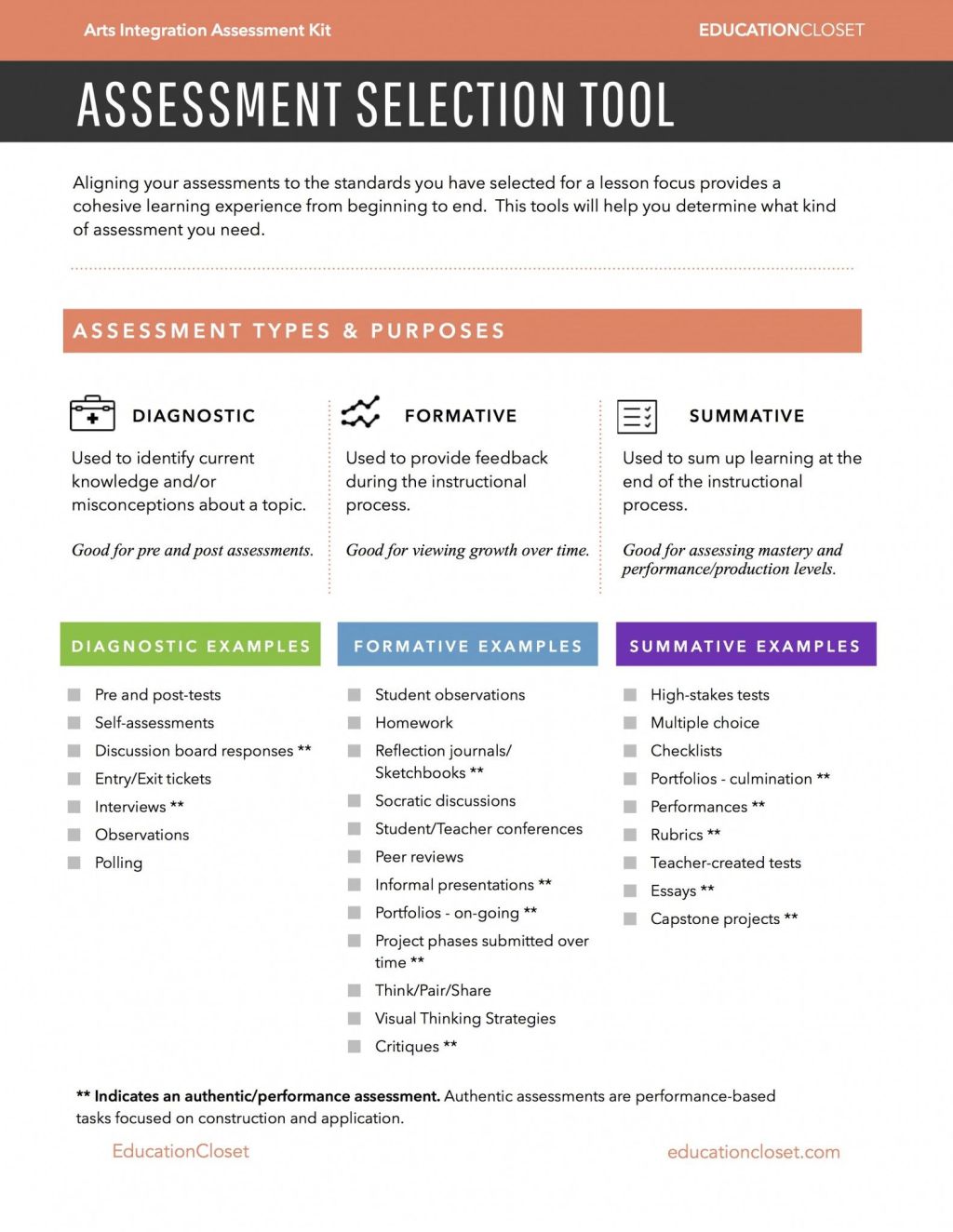
Unlike standardized tests, individualized assessments aim to uncover the depth of a student’s understanding by considering their individual progress, preferences, and strengths. These assessments are designed to be flexible and adaptable, allowing educators to assess students using various methods such as portfolios, projects, presentations, observations, interviews, and self-assessments. By taking into account diverse forms of assessment techniques, individualized assessments foster a more comprehensive understanding of a student’s abilities beyond what can be measured on multiple-choice tests alone.
One key benefit of individualized assessments is that they promote personalized learning experiences for students. By tailoring assessment methods to meet each student’s needs, educators can gain insights into their unique areas for growth and development. For example, some students may excel at written assignments while struggling with oral presentations; others may demonstrate exceptional problem-solving skills but face challenges in group work settings. Individualized assessments allow teachers to identify these strengths and areas for improvement accurately.
Moreover, individualized assessments encourage active engagement from students during the evaluation process. Rather than simply memorizing facts or regurgitating information for an exam score at the end of the year or semester – which often leads to short-term retention – students become active participants in their own learning journey when given opportunities for self-reflection and self-assessment. As they take charge of evaluating their progress against set goals or rubrics provided by teachers or mentors within alternative schooling environments like homeschooling programs or project-based schools—students develop essential metacognitive skills, such as self-awareness and self-regulation.
Individualized assessments also foster a growth mindset among students. By shifting the focus from grades to learning progress, these assessments encourage students to view mistakes and failures as opportunities for improvement rather than setbacks. When learners are evaluated based on their individual growth trajectory rather than compared against their peers, they become more motivated and invested in their own learning process. The emphasis on personalized feedback allows them to understand where they stand academically and emotionally, enabling them to set realistic goals and work towards achieving them at their own pace.
Furthermore, individualized assessments provide teachers with valuable insights into instructional strategies that best suit each student’s unique needs. Through ongoing assessment methods such as observations or formative assessments that occur throughout the learning process rather than just at the end of a unit or semester – educators can gain a deeper understanding of how different students learn most effectively. Armed with this knowledge, teachers can tailor their teaching methods accordingly, ensuring that every student receives instruction in a way that maximizes their potential for success.
Critics argue that individualized assessments may be time-consuming for educators due to the need for customized evaluation methods. However, many alternative education models have successfully implemented these assessments by leveraging technology resources like online platforms or digital portfolios—streamlining the assessment process while still maintaining its efficacy. Additionally, proponents argue that any additional time spent tailoring evaluations is an investment in each student’s future success and overall well-being.
In conclusion, individualized assessments offer numerous benefits over traditional standardized tests by recognizing the diverse strengths and learning styles of each student. By providing personalized evaluation methods tailored to individuals’ unique needs, these assessments foster personalized learning experiences while promoting active engagement from students themselves. Moreover, they cultivate a growth mindset by focusing on progress rather than grades alone and empower teachers with valuable insights into effective instructional strategies specific to each learner’s requirements.
As we continue striving for educational systems that prioritize holistic development and personalized learning, individualized assessments have emerged as a vital tool. By unlocking the potential of every student through comprehensive evaluation methods, we can nurture a generation of lifelong learners equipped with the skills necessary to thrive in an ever-evolving world.
 Alternative Amie
Leave a comment