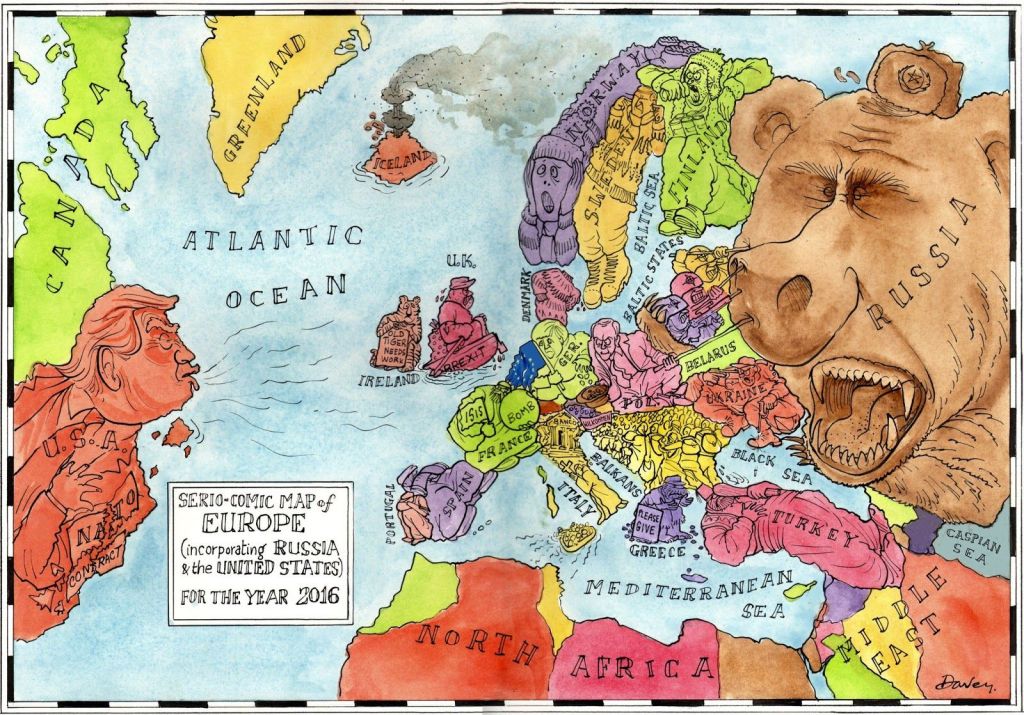
Welcome to the wonderful world of history and geography studies! Today, we will embark on a satirical journey through the annals of time, exploring how these subjects have been approached in alternative schooling and education. So fasten your seatbelts (metaphorically speaking) as we dive into this unique perspective.
History is often seen as a dry subject, filled with dates and names that seem to blur together. But in alternative schooling, we like to shake things up a bit. Instead of memorizing endless timelines, students are encouraged to explore history through interactive activities. Want to learn about ancient Egypt? Why not build a pyramid out of sugar cubes or host an Egyptian-themed feast? After all, who can resist falafels?
Geography is another subject that tends to get overlooked in traditional classrooms. Sure, you could spend hours staring at maps and memorizing capital cities, but where’s the fun in that? In alternative education, we believe in experiencing geography firsthand. Students might find themselves embarking on virtual treasure hunts using GPS coordinates or creating their own imaginary countries complete with intricate political systems.
But why stop there? Let’s take things even further by incorporating humor and satire into our lessons. Imagine learning about the French Revolution through a melodramatic soap opera or reenacting famous battles using water balloons instead of cannons. By infusing laughter into our studies, not only do we make the material more engaging but also foster creativity and critical thinking skills.
Alternative schooling approaches offer students a chance to view history and geography from unconventional angles – ones that encourage exploration and playfulness rather than rote memorization. By embracing satire, humor, and interactive activities within these subjects, educators can create an environment where learning becomes an adventure rather than a chore.
So let’s bid farewell to boring textbooks and embrace an educational journey filled with laughter and imagination because when it comes to history and geography studies – who says learning can’t be fun?
 Alternative Amie
Leave a comment