Memory Techniques and Strategies: Unlocking the Potential of Alternative Education
In today’s fast-paced world, the ability to retain information quickly and effectively is more important than ever. Whether you are a student trying to excel in your studies or an adult seeking personal growth, developing strong memory skills can greatly enhance your learning experience. Traditional education often focuses on rote memorization, but alternative schooling and education approaches offer innovative techniques and strategies to help students unlock their full potential.
1. Visualization:
One powerful method for improving memory is through visualization. This technique involves creating vivid mental images that connect new information with existing knowledge or experiences. For example, if you’re trying to remember a list of items, you can imagine each item as part of an elaborate story or picture them in a specific location. By engaging multiple senses and making connections between different pieces of information, visualization helps reinforce memory recall.
2. Mnemonic Devices:
Mnemonic devices are tools that assist in remembering complex information by associating it with something simpler or more familiar. These devices can take various forms such as acronyms (ROY G BIV for the colors of the rainbow), rhymes (i before e except after c), or chunking (grouping long numbers into smaller segments). Mnemonics provide mental hooks that make it easier to retrieve stored information when needed.
3. Mind Mapping:
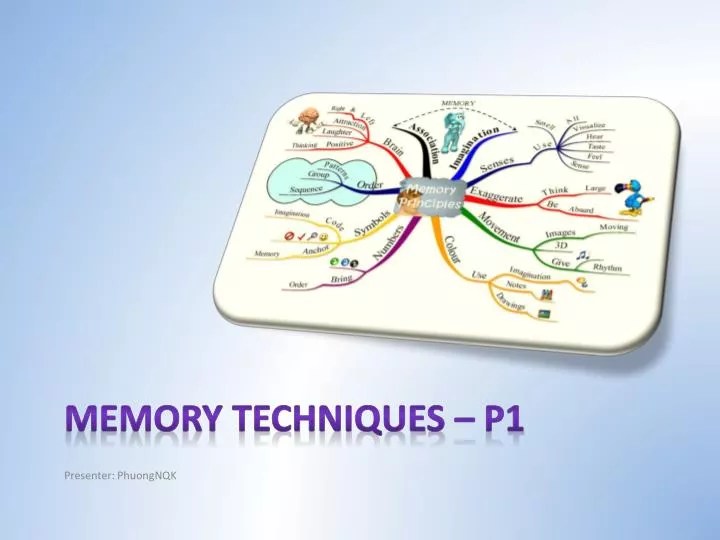
Mind mapping is another effective memory-enhancing strategy commonly used in alternative education settings. It involves visually organizing ideas and concepts using diagrams, keywords, and color-coded branches radiating from a central topic. The process encourages active engagement with material while promoting creativity and critical thinking skills – both essential components of alternative schooling principles.
4. Spaced Repetition:
Spaced repetition leverages the spacing effect – the phenomenon where repeated exposure to information over spaced intervals leads to better retention compared to cramming all at once. Rather than reviewing material continuously until mastery is achieved, this approach involves revisiting the material at gradually increasing intervals. Spaced repetition helps reinforce memory pathways and prevent forgetting, leading to more durable learning outcomes.
5. Active Learning:
Active learning methodologies play a crucial role in alternative education, as they foster deep understanding and long-term retention of knowledge. Techniques like group discussions, problem-solving activities, hands-on experiments, and interactive simulations encourage students to actively engage with the subject matter. By doing so, they are more likely to remember what they have learned because the information is connected to their personal experiences and emotions.
6. Multisensory Learning:
Alternative schooling often emphasizes multisensory approaches that engage multiple senses simultaneously. Combining visual cues with auditory or kinesthetic elements enhances memory encoding by creating stronger neural connections. For instance, listening to music while studying or using manipulatives during math lessons can help learners retain information more effectively through sensory integration.
7. Mindfulness and Meditation:
Mindfulness practices are increasingly being recognized for their positive impact on memory and cognitive functioning. Regular meditation exercises improve attention span, reduce stress levels, and enhance working memory capacity – all essential components for effective learning. Integrating mindfulness techniques into alternative education settings allows students to develop mental clarity and focus better on acquiring new knowledge.
8. Storytelling:
Storytelling has been an integral part of human culture since ancient times – not only as a form of entertainment but also as a means of transmitting knowledge across generations. Research shows that storytelling activates various regions in the brain associated with memory processing and emotional engagement. Incorporating storytelling techniques into alternative education can make complex concepts more memorable by weaving them into compelling narratives.
9.Experiential Learning:
Experiential learning places emphasis on real-world experiences as a means of acquiring knowledge rather than relying solely on theoretical instruction or lectures. By connecting abstract concepts with practical applications through hands-on activities such as field trips or project-based assignments, students are more likely to remember what they have learned. This approach fosters a deeper understanding of the subject matter by immersing learners in authentic learning environments.
10. Reflective Practice:
Reflection is a powerful tool for memory consolidation and deepening understanding. Alternative education often encourages students to regularly reflect on their learning experiences through journaling, self-assessment, or group discussions. These reflective practices help learners make meaning out of their experiences, identify areas for improvement, and solidify new knowledge into long-term memory.
In conclusion, alternative schooling and education approaches provide a rich tapestry of memory techniques and strategies that can revolutionize traditional educational practices. By incorporating visualization, mnemonics, mind mapping, spaced repetition, active learning methodologies, multisensory techniques, mindfulness practices, storytelling elements, experiential learning opportunities, and reflective practice into the curriculum framework; educators can empower students to unlock their full cognitive potential while cultivating lifelong love for learning.
 Alternative Amie
Leave a comment