Blended Learning: A Comprehensive Guide to Alternative Education
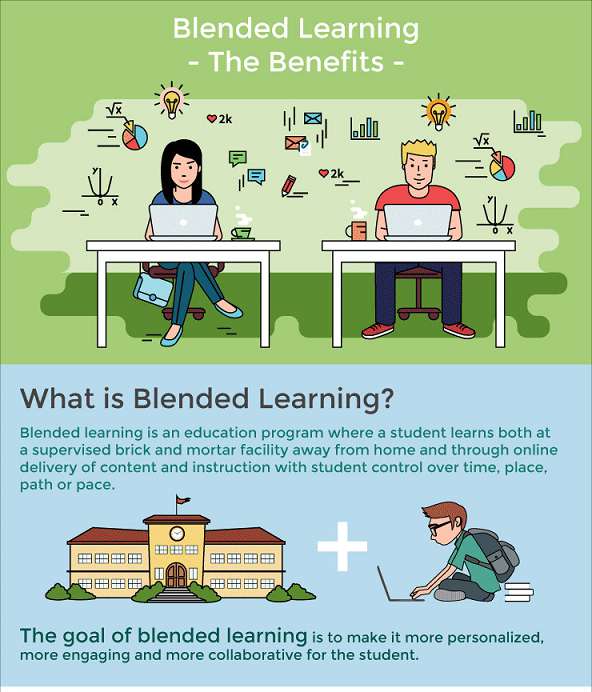
In the rapidly evolving landscape of education, blended learning has emerged as a powerful tool for creating an engaging and effective learning experience. Combining traditional face-to-face instruction with online resources, blended learning offers a flexible approach that caters to diverse learning styles and needs.
One of the key benefits of blended learning is its ability to provide personalized instruction. With access to online materials, students can work at their own pace and revisit concepts as needed. This allows educators to focus on individualized support and targeted interventions for struggling students while enabling high-achievers to explore more advanced topics.
Blended learning also encourages active participation and collaboration among students. Online platforms offer opportunities for interactive discussions, group projects, and peer feedback. This not only enhances critical thinking skills but also fosters social interaction in a digital environment. Furthermore, the integration of technology prepares students for success in the digital age by equipping them with essential 21st-century skills.
Implementing blended learning requires careful planning and execution. Educators must design a coherent curriculum that seamlessly integrates both offline and online components. They should select appropriate educational technology tools such as Learning Management Systems (LMS), video conferencing platforms, or online assessment tools.
Supporting teachers in developing their technological skills is crucial for successful implementation. Professional development programs that focus on integrating technology into pedagogy can empower educators to create engaging online content and deliver effective virtual instruction.
Moreover, administrators play a vital role in fostering a culture that supports blended learning adoption within schools or districts. By providing sufficient resources like computers or tablets along with reliable internet connectivity, administrators ensure equitable access for all learners.
To evaluate the effectiveness of blended learning initiatives, data-driven assessments are essential. Analyzing student performance data gathered from both online platforms and offline activities helps identify areas where additional support is needed or where instructional strategies may need adjustments.
As with any educational approach, continuous improvement is key. Regular feedback from students, parents, and teachers allows for refining the blended learning model to better meet student needs.
In conclusion, blended learning offers a promising alternative educational approach that combines the best of traditional instruction with online resources. It fosters personalized instruction, enhances collaboration and critical thinking skills, and equips students with essential 21st-century skills. By carefully planning and implementing blended learning initiatives while providing necessary support to educators and students alike, schools can harness its potential to create engaging and effective learning experiences for all learners.
 Alternative Amie
Leave a comment