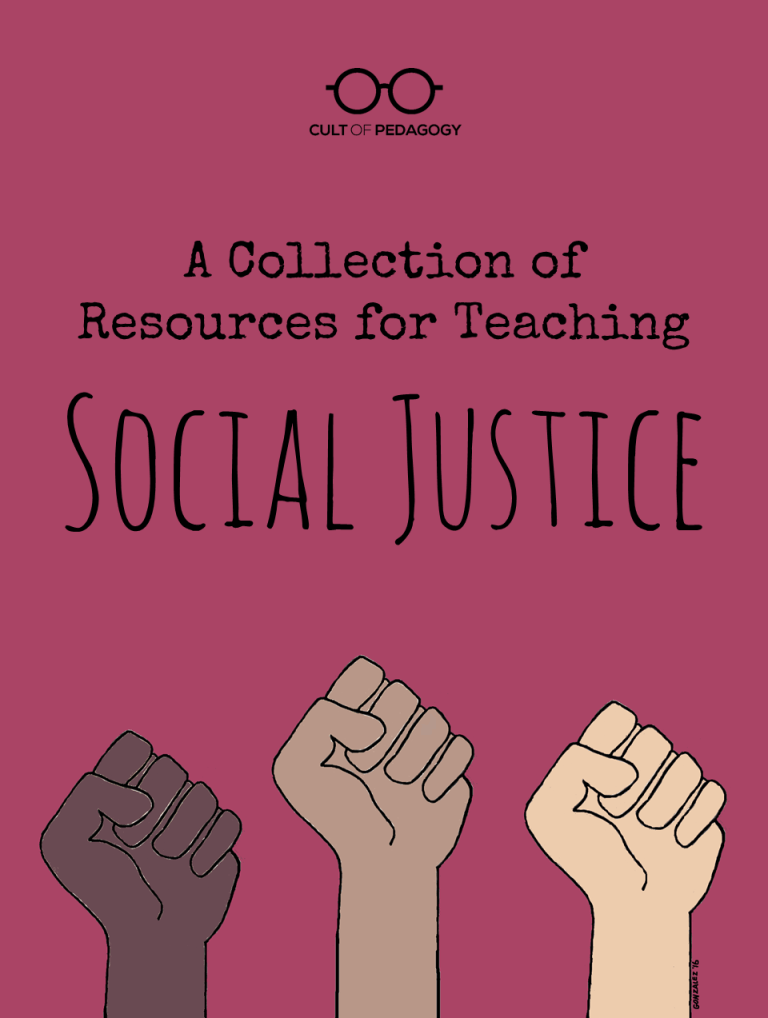
Social Justice Projects: Making the World a Better Place, One Classroom at a Time
In today’s world, where issues of inequality and injustice continue to prevail, it is crucial for educational institutions to take a proactive approach in fostering social awareness and promoting positive change. Alternative schooling and education have recognized this need and are embracing projects that aim to instill empathy, compassion, and activism in students. These innovative initiatives not only provide valuable learning experiences but also empower young minds to become agents of change.
One such project gaining traction is “Walk a Mile,” which focuses on raising awareness about gender equality. Students participate in an event where they literally walk one mile wearing shoes typically associated with the opposite gender. Through this activity, they gain insight into the challenges faced by individuals who don’t conform to societal norms. Discussions around stereotypes, discrimination, and inclusivity follow the walk, allowing students to reflect on their own biases while developing empathy for others.
Another notable project is “Food Justice Warriors.” In an effort to combat food insecurity and promote sustainable practices within their community, students work collaboratively on creating urban gardens or organizing food drives. This hands-on experience not only teaches them about issues relating to food access but also empowers them with skills like gardening or event planning. By taking action against hunger and advocating for equitable distribution of resources, these young warriors become catalysts for positive change.
The “Global Pen Pals” initiative connects students from different parts of the world through letter writing or video exchanges. This project fosters cultural exchange between diverse communities while encouraging understanding and tolerance among participants. Through these interactions, students learn about different perspectives on social justice issues such as immigration policies or racial discrimination prevalent in various societies. It broadens their worldview beyond classroom boundaries by nurturing global citizenship values.
For those interested in environmental justice activism, there’s “Green Guardians.” Students engage in activities like waste reduction campaigns or tree planting drives aimed at combating climate change locally. Through these projects, students develop an understanding of the interconnectedness between environmental issues and social justice. They learn to advocate for marginalized communities disproportionately affected by pollution and climate-related disasters.
Lastly, the “Speak Up” project empowers students to address social injustices through public speaking and advocacy. Students research a particular issue they are passionate about, such as racial inequality or LGBTQ+ rights, and deliver speeches or organize awareness campaigns within their school community. This initiative not only enhances their communication skills but also encourages critical thinking while giving them a platform to voice their concerns.
Social justice projects in alternative schools go beyond traditional academic learning by integrating real-world issues into the curriculum. These initiatives nurture empathy, critical thinking, and activism among students who will become future leaders striving for a fairer society. By engaging in such projects, these young minds lay the foundation for a more inclusive and just world – one classroom at a time.
 Alternative Amie
Leave a comment