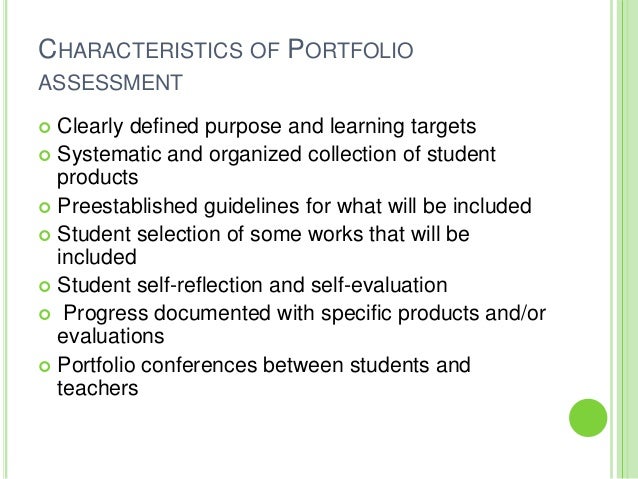
Portfolio Assessment: Empowering Students to Showcase Their Growth and Achievement
In the traditional education system, students are often evaluated solely based on their performance in standardized tests and exams. However, this one-size-fits-all approach fails to capture the diverse skills, talents, and progress of each student. As a result, many educators have turned to portfolio assessment as an alternative method to evaluate student learning.
What is Portfolio Assessment?
Portfolio assessment is a comprehensive evaluation tool that allows students to showcase their work samples, projects, reflections, and achievements over a period of time. It provides a holistic view of students’ growth and development by capturing not only their final products but also the process they went through to reach those outcomes.
Unlike traditional assessments that focus on memorization and regurgitation of information, portfolio assessment emphasizes critical thinking skills, creativity, problem-solving abilities, collaboration efforts, self-reflection, and metacognition. It encourages students to take ownership of their learning journey while enabling teachers to gain valuable insights into individual student strengths and areas for improvement.
Creating Meaningful Portfolios
To make portfolio assessment effective in capturing student growth and achievement accurately, it’s essential for educators to guide students in creating meaningful portfolios. Here are some key steps:
1. Define Learning Goals: Before embarking on any project or assignment within the curriculum, clearly define the learning goals with your students. Discuss what knowledge or skills they should acquire during the process.
2. Collect Evidence: Encourage students to collect evidence throughout their learning journey that supports their progress towards achieving the defined goals. This evidence can include written assignments, artwork or creative projects they’ve completed independently or collaboratively with peers.
3. Self-Reflection: Allocate dedicated time for self-reflection where students can analyze their work samples critically. Provide them with prompts such as “What did you learn from this project?” or “How did you overcome challenges along the way?” Self-reflection helps foster metacognition and encourages students to take ownership of their learning.
4. Select and Organize: Once students have collected a range of work samples, guide them in selecting the most representative pieces that best demonstrate their growth and achievements. Help them organize the portfolio in a logical manner, ensuring it tells a cohesive story of their learning journey.
5. Showcase Growth: Encourage students to include evidence of improvement over time within their portfolios. For example, they could showcase drafts or early versions of projects alongside the final product to highlight progress made throughout the process.
6. Provide Feedback: As educators, it’s crucial for us to provide constructive feedback on student portfolios regularly. This feedback should focus not only on areas for improvement but also acknowledge and celebrate successes. Additionally, encourage peer-to-peer feedback through structured critique sessions or collaborative portfolio assessments where students can learn from each other.
Benefits of Portfolio Assessment
1. Individualized Assessment: Portfolio assessment allows educators to evaluate each student based on their unique strengths, interests, and achievements rather than relying solely on standardized measures that often fail to capture individual growth accurately.
2. Holistic View: By considering various dimensions such as creativity, critical thinking skills, collaboration efforts, and self-reflection, portfolio assessment provides a more comprehensive view of student abilities compared to traditional assessments which are limited in scope.
3. Authentic Learning Experiences: Engaging in portfolio assessment promotes authentic learning experiences by encouraging students to apply knowledge and skills in real-world contexts rather than focusing solely on memorization or regurgitation.
4. Motivation & Engagement: Portfolio assessment fosters intrinsic motivation by allowing students to take ownership of their learning journey and showcasing their accomplishments along the way. It enhances engagement by offering opportunities for creativity and self-expression.
5. Long-Term Tracking: Portfolios serve as a record of each student’s academic progress over time that can be shared with parents/guardians during parent-teacher conferences or used by college admissions officers to assess a student’s readiness for higher education.
Challenges and Considerations
While portfolio assessment offers numerous benefits, it also comes with its own set of challenges and considerations:
1. Time-Intensive: Creating and evaluating portfolios can be time-consuming for both students and educators. It requires careful planning, organization, and ongoing maintenance throughout the academic year.
2. Subjectivity: Evaluating portfolios can be subjective as it relies on the interpretation of evidence by teachers. To minimize subjectivity, educators should establish clear rubrics or criteria for assessing portfolios consistently.
3. Assessment Literacy: Students need guidance in understanding how their work will be assessed within the portfolio framework. Providing explicit instruction on assessment criteria helps students align their efforts with learning goals effectively.
4. Equity & Accessibility: Ensuring equitable access to resources and technology is essential when implementing portfolio assessment. Educators must consider diverse student needs and provide necessary support to ensure every student has an opportunity to participate fully.
In conclusion, portfolio assessment empowers students by shifting the focus from standardized tests to a more comprehensive evaluation tool that captures individual growth, achievements, and skills development over time. By engaging in meaningful reflection, selection of evidence, showcasing growth, providing feedback, and celebrating successes along the way – both educators and students can benefit from this alternative approach that values authentic learning experiences while promoting intrinsic motivation and engagement in education.
 Alternative Amie
Leave a comment