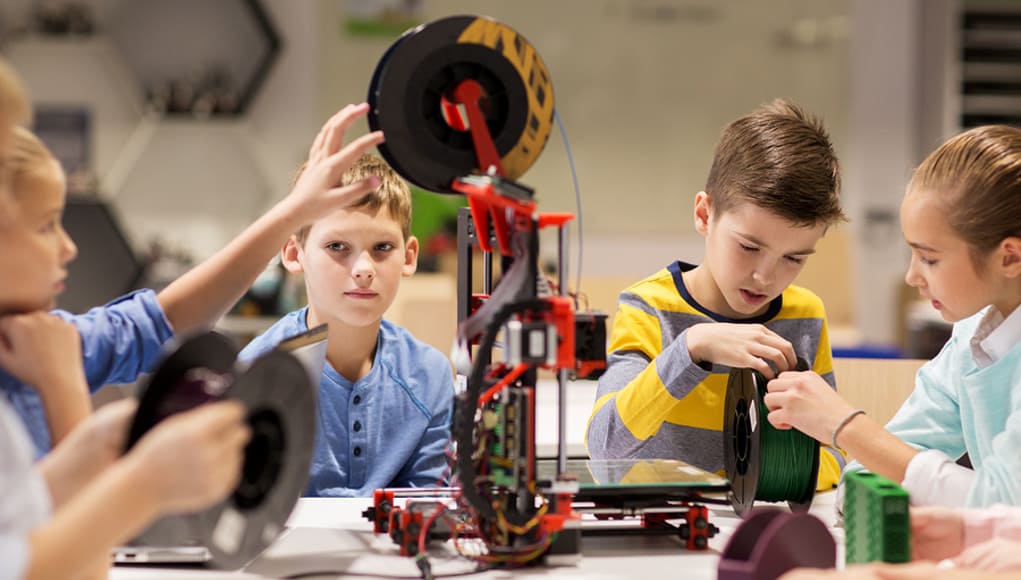
Project-based learning in alternative schools is gaining increasing popularity as a way to engage students in hands-on, authentic learning experiences. Instead of traditional classroom instruction, students work on projects that require them to apply their knowledge and skills to real-world problems or challenges.
One of the key benefits of project-based learning is that it promotes collaboration among students. By working together on a shared goal, students learn how to communicate effectively, delegate tasks, and problem-solve collectively. This not only enhances their academic skills but also helps develop important social and emotional competencies.
Peer tutoring and mentoring programs are another effective method used in alternative schools to foster collaborative learning. Older or more experienced students are paired with younger or less experienced ones to provide academic support and guidance. This approach not only benefits the mentees by improving their understanding of concepts but also helps the mentors reinforce their own knowledge through teaching others.
Collaborative problem-solving techniques involve engaging students in solving complex problems collectively rather than individually. Through brainstorming sessions, group discussions, and teamwork activities, students learn how to think critically and creatively while considering multiple perspectives. This approach encourages active participation from all members of the group and promotes a deeper understanding of the subject matter.
Cooperative learning strategies are particularly beneficial for diverse learners in alternative education settings. By working together with peers who have different strengths and abilities, all students can contribute meaningfully to group tasks while developing empathy and respect for each other’s unique qualities. Additionally, cooperative learning provides opportunities for English language learners or those with special needs to receive support from their classmates.
Technology can greatly enhance collaborative learning experiences by providing platforms for online collaboration, such as virtual classrooms or video conferencing tools. These tools enable students from different locations or backgrounds to collaborate on projects seamlessly while fostering communication skills necessary for today’s digital age.
Building a sense of community within alternative education settings is crucial for promoting collaboration among students. Creating inclusive environments where everyone feels valued contributes positively towards group dynamics and encourages active participation. Activities like team-building exercises, icebreaker games, and class meetings can help establish a strong sense of belonging.
Collaborative learning is not limited to indoor classrooms; it can also be incorporated into outdoor and experiential education programs. By engaging in hands-on activities like hiking, camping, or environmental projects, students learn how to work together effectively while developing an appreciation for the natural world.
Integrating social-emotional learning (SEL) into collaborative activities ensures that students develop important life skills such as self-awareness, empathy, and responsible decision-making. Collaborative learning provides opportunities for students to practice these skills in real-life situations while receiving guidance from their peers and teachers.
Cross-age collaboration is another effective approach used in alternative schooling environments. Pairing older students with younger ones promotes a sense of responsibility among the older students while providing valuable mentorship to the younger ones. This approach helps build positive relationships within the school community and fosters a culture of support and cooperation.
Collaborative learning can also be adapted to meet the needs of students with special needs or disabilities. By creating inclusive groups that combine students with different abilities, all members benefit from shared experiences and diverse perspectives. Additionally, adapting instructional materials or providing assistive technology ensures that all learners can actively participate in collaborative activities.
In collaborative learning settings, teachers act as facilitators rather than traditional instructors. They guide students through the process of problem-solving, provide support when needed, and encourage critical thinking skills. This shift in role empowers students to take ownership of their learning while developing independence and self-confidence.
Assessing collaborative projects requires methods that go beyond traditional tests or exams. Teachers may use rubrics that assess teamwork skills such as communication, cooperation, and leadership qualities. Peer evaluations are also commonly employed to gather feedback on individual contributions within group work.
Collaborative projects promote creativity by encouraging divergent thinking and exploring multiple solutions to problems. Students learn how to think outside the box and develop innovative approaches, which are essential skills for success in today’s rapidly changing world.
Effective communication is a vital skill that can be cultivated through collaborative learning. By working together, students practice articulating their thoughts, actively listening to others, and expressing themselves clearly. These skills transfer into other areas of life and contribute to personal growth and success.
Collaborative learning fosters critical thinking and problem-solving skills by presenting students with real-world challenges that require analysis, evaluation, and decision-making. Through group discussions and debates, students learn how to question assumptions, consider different perspectives, and make informed judgments.
Different models of cooperative group work exist depending on the specific needs of the learners or the nature of the project. Some models include jigsaw groups where each member becomes an expert in a particular topic before sharing their knowledge with others or think-pair-share activities where students discuss ideas in pairs before sharing them with the larger group.
Collaborative learning has been shown to significantly impact student motivation and engagement. When students have opportunities to work collaboratively on meaningful projects, they feel more connected to their education and are more likely to be intrinsically motivated. Collaboration also promotes a sense of accountability within groups as members rely on each other for success.
Addressing conflicts within collaborative groups is crucial for maintaining positive interactions among students. Teachers can provide guidelines for respectful communication and conflict resolution strategies so that disagreements can be resolved constructively without hindering progress towards shared goals.
In alternative schooling environments that focus on teaching foreign languages, collaborative approaches offer numerous benefits. Pair work or small-group activities allow learners to practice speaking skills while receiving feedback from peers who may have different language abilities but share common learning goals.
Integrating arts into collaborative projects enhances creativity while providing alternative ways for students to express themselves. Visual arts, drama performances, music compositions – all these forms enable learners to explore new ideas collectively and develop their artistic abilities.
In conclusion, collaborative learning is a powerful tool for promoting engagement, critical thinking, creativity, and social-emotional skills in alternative education settings. By incorporating project-based learning, peer tutoring programs, cooperative strategies, technology integration, cross-age collaboration, and other techniques discussed above into the curriculum, students can experience meaningful and transformative educational experiences. Teachers play a crucial role as facilitators in these environments while assessment methods focus on evaluating teamwork skills. With effective communication and conflict resolution strategies in place, collaborative learning creates vibrant communities where all learners can thrive.
 Alternative Amie
Leave a comment